知识

CNC Machining for Optical Components: Housings, Lens Barrels and Mounts

CNC Machining for Optical Components: Housings, Lens Barrels and Mounts

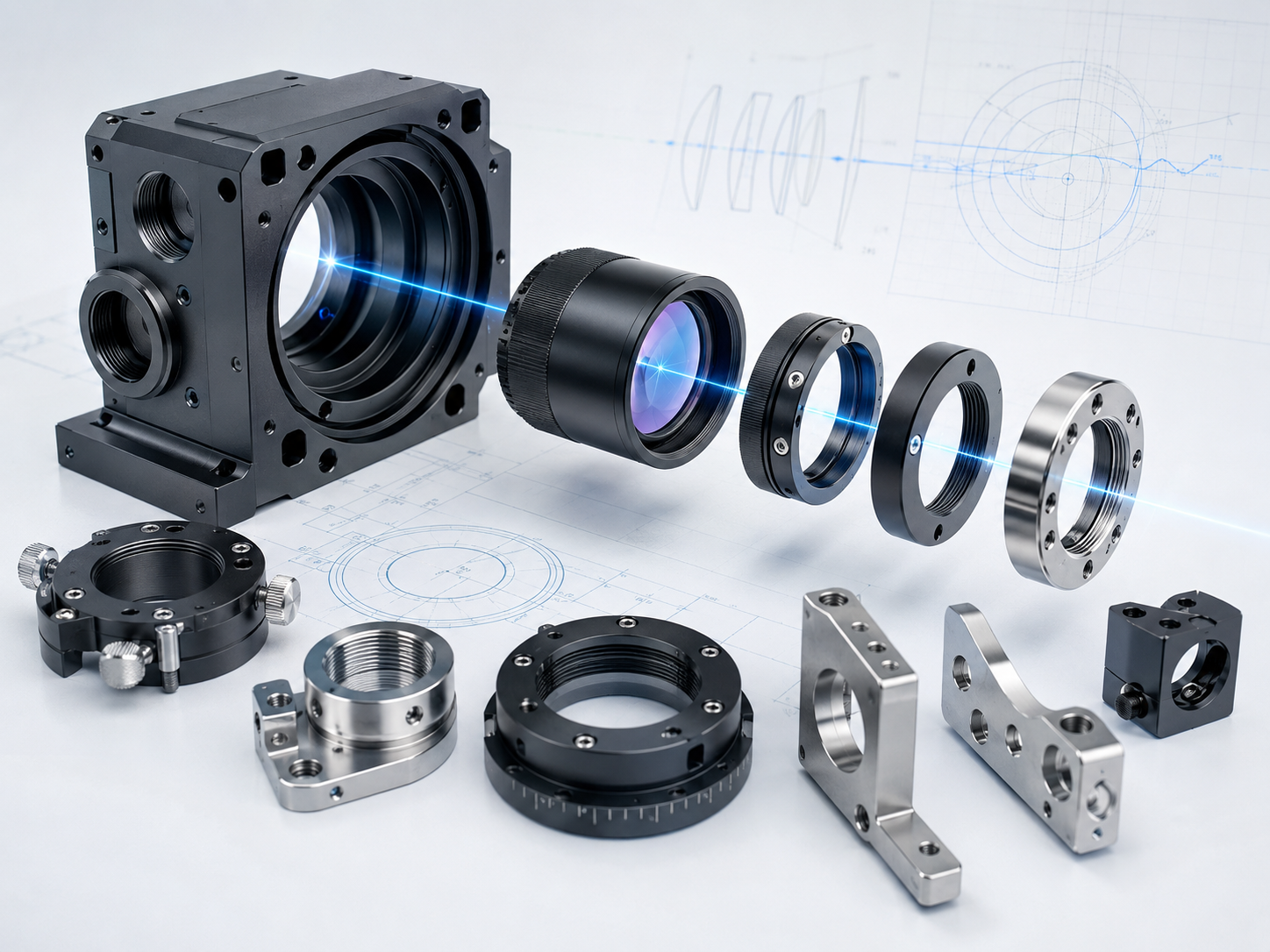
This article explains how CNC machining is used to produce optical components such as housings, lens barrels, lens mounts, spacer rings and other optomechanical parts. It covers common component types, material choices, surface finishing methods and key machining challenges, helping engineers and buyers understand what matters when sourcing precision optical CNC parts.


阅读更多

CNC Machined Optical Housings: What They Are and Why Precision Matters

CNC Machined Optical Housings: What They Are and Why Precision Matters

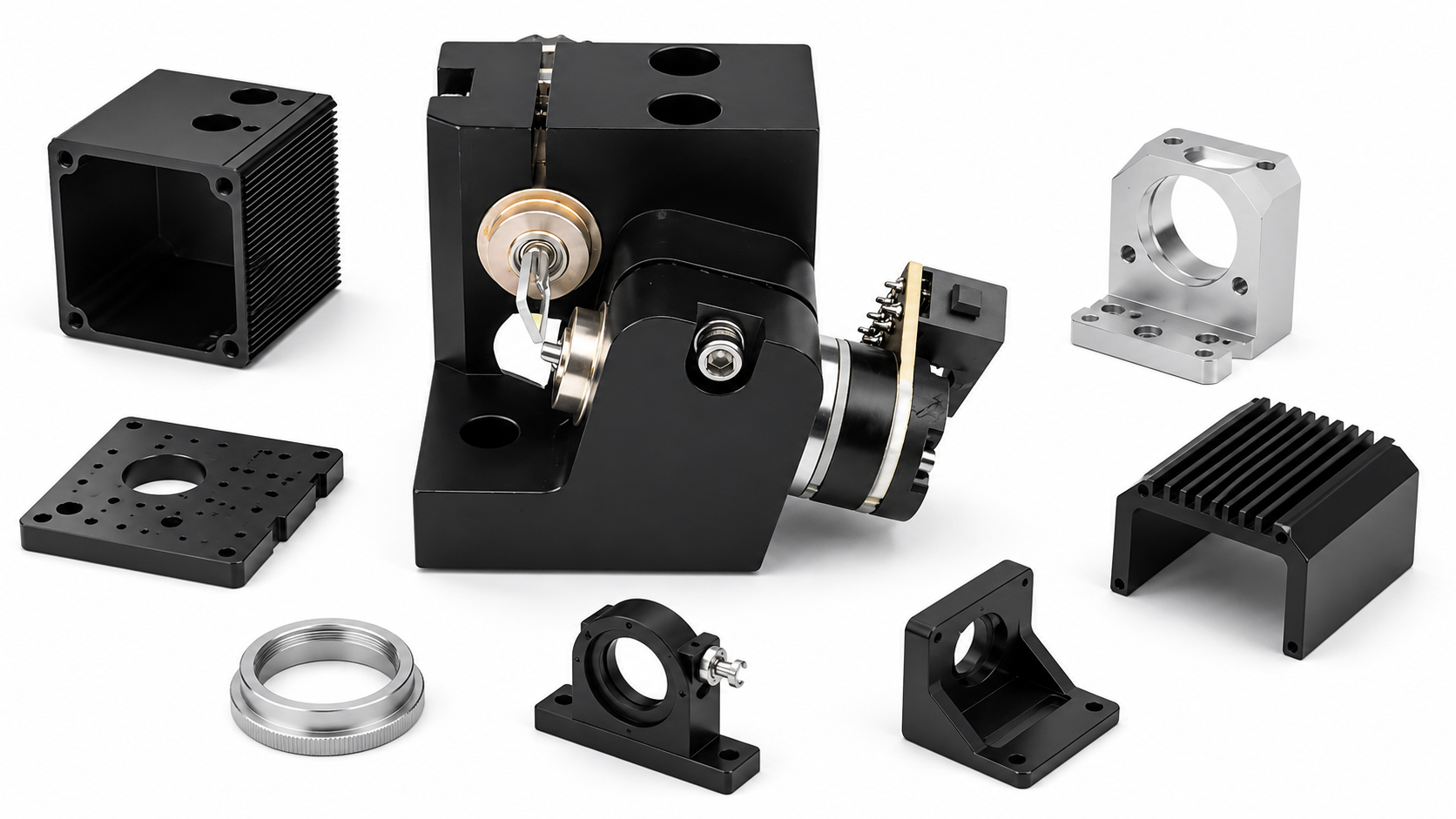
This article explains what CNC machined optical housings are and why precision matters in optical systems. It covers how optical housings support alignment, dimensional stability, assembly consistency, and stray light control. The article also discusses common CNC machining challenges, material options, surface finishing methods, and practical design tips for producing reliable optical housings from prototype to production.


阅读更多

Optical Assemblies: How Precision Manufacturing Affects Optical System Performance

Optical Assemblies: How Precision Manufacturing Affects Optical System Performance

What optical assemblies really mean When buyers search for optical assemblies, they are usually not only looking for lenses or housings. In most cases, they want to understand how multiple precision components work together inside one optical system, and how...

阅读更多

Zero-Point Clamping Systems: Make 1 + 1 > 2 in CNC Machining

Zero-Point Clamping Systems: Make 1 + 1 > 2 in CNC Machining

This article explains what zero-point clamping systems are and why they matter in CNC machining. It highlights how they reduce setup time, improve repeatability, and support more stable, efficient production.


阅读更多

Top Die Casting Companies for Precision Aluminum and Zinc Parts

Top Die Casting Companies for Precision Aluminum and Zinc Parts

Introduction: Why Die Casting Companies Matter In today’s manufacturing world, die casting companies play a crucial role in producing high-precision, high-volume metal components. From automotive and aerospace to medical devices, consumer electronics, and industrial machinery, these companies transform molten metal...

阅读更多

Precision Optical Machining for Custom Metal Components

Precision Optical Machining for Custom Metal Components

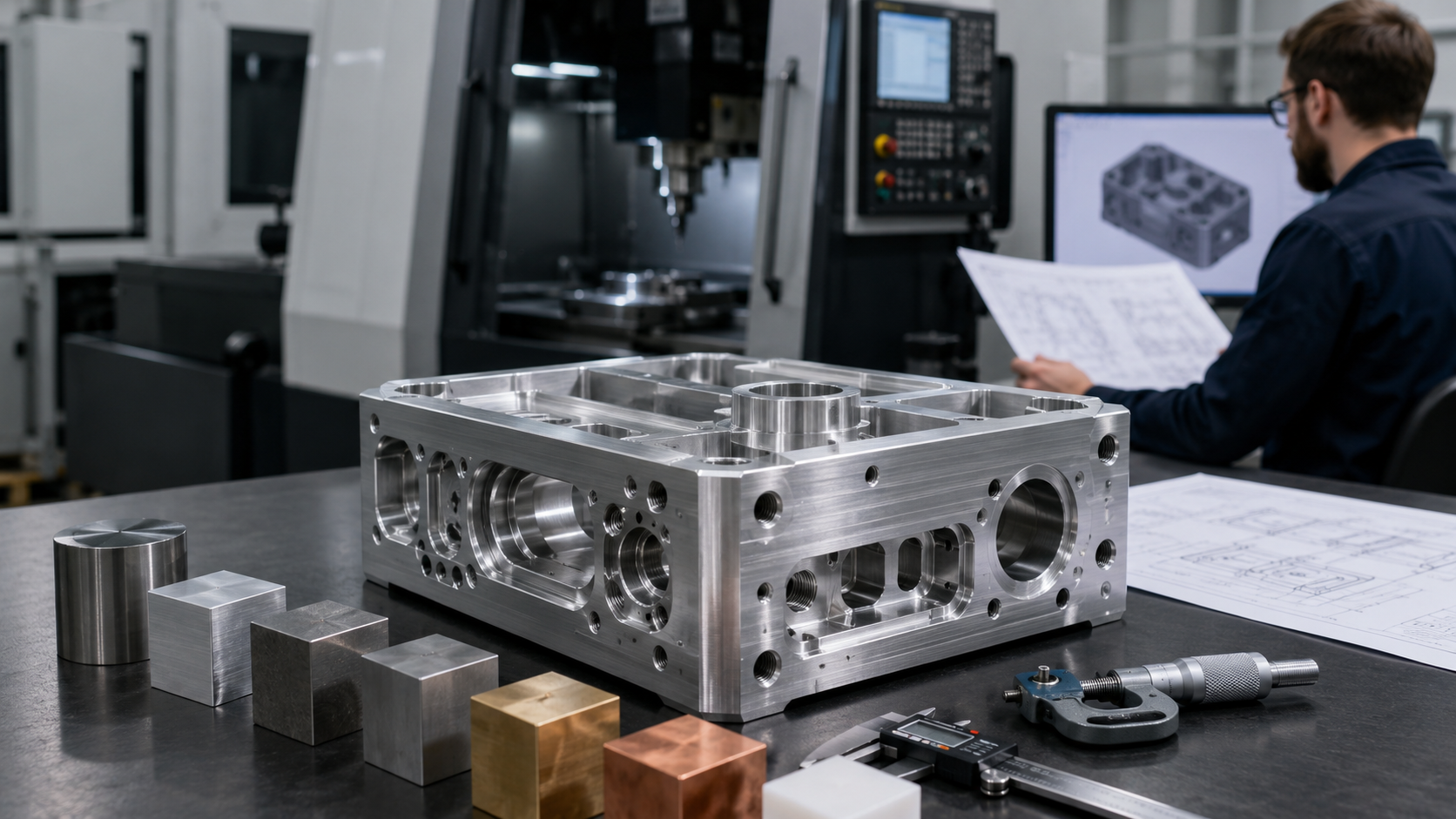
Precision optical machining plays a critical role in the production of custom metal components used in optical systems. Parts such as lens barrels, optical housings, mounts, retainers, and spacers do more than provide structural support. They also affect alignment, assembly consistency, and overall system stability. This article explains what precision optical machining means in the context of optical mechanical parts, why tight tolerance control matters, how CNC machining supports these components, and what to consider when choosing a suitable machining supplier from prototype to production.

阅读更多

What Are the Differences Between Low-Pressure and High-Pressure Die Casting?

What Are the Differences Between Low-Pressure and High-Pressure Die Casting?

Die casting technology is widely used today, especially for light alloy parts. However, many buyers and engineers still find the differences between low-pressure die casting (LPDC) and high-pressure die casting (HPDC) unclear. This is especially true when choosing between low...

阅读更多

Part Manufacturing: Choosing the Right Process for Precision Parts

Part Manufacturing: Choosing the Right Process for Precision Parts

What buyers usually want to know When people search for part manufacturing, they are usually trying to answer a few practical questions. They want to know how a part should be made, which process is suitable, what tolerance is realistic,...

阅读更多

Flexure Optical Mirror Mount: Design and Precision Machining Considerations

Flexure Optical Mirror Mount: Design and Precision Machining Considerations

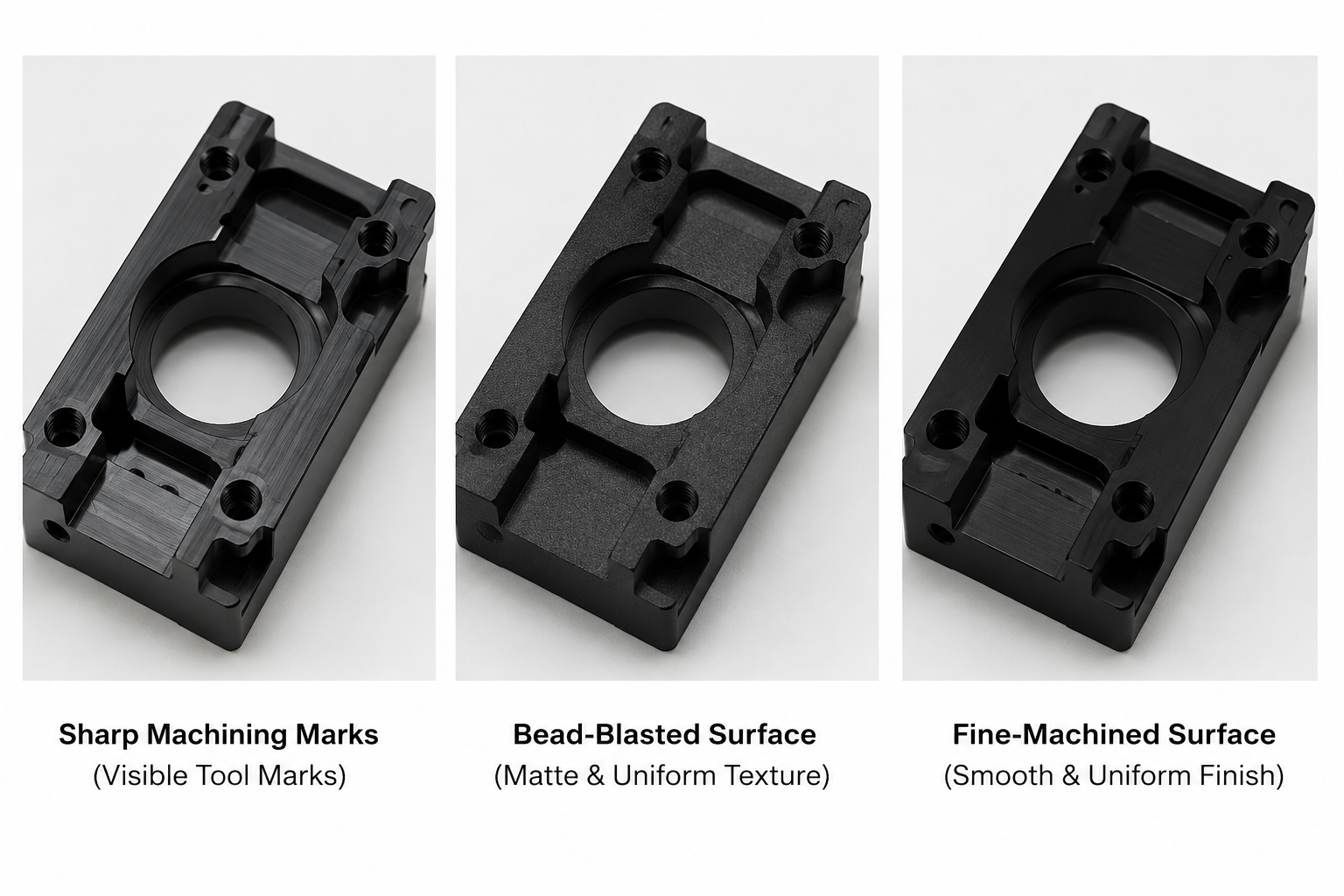
A flexure optical mirror mount is a precision structure used to hold and finely adjust mirrors in optical systems through controlled elastic deformation rather than conventional sliding mechanisms. Compared with traditional mirror mounts, it offers lower backlash, better repeatability, smoother fine adjustment, and improved long-term stability. 

阅读更多