


知识
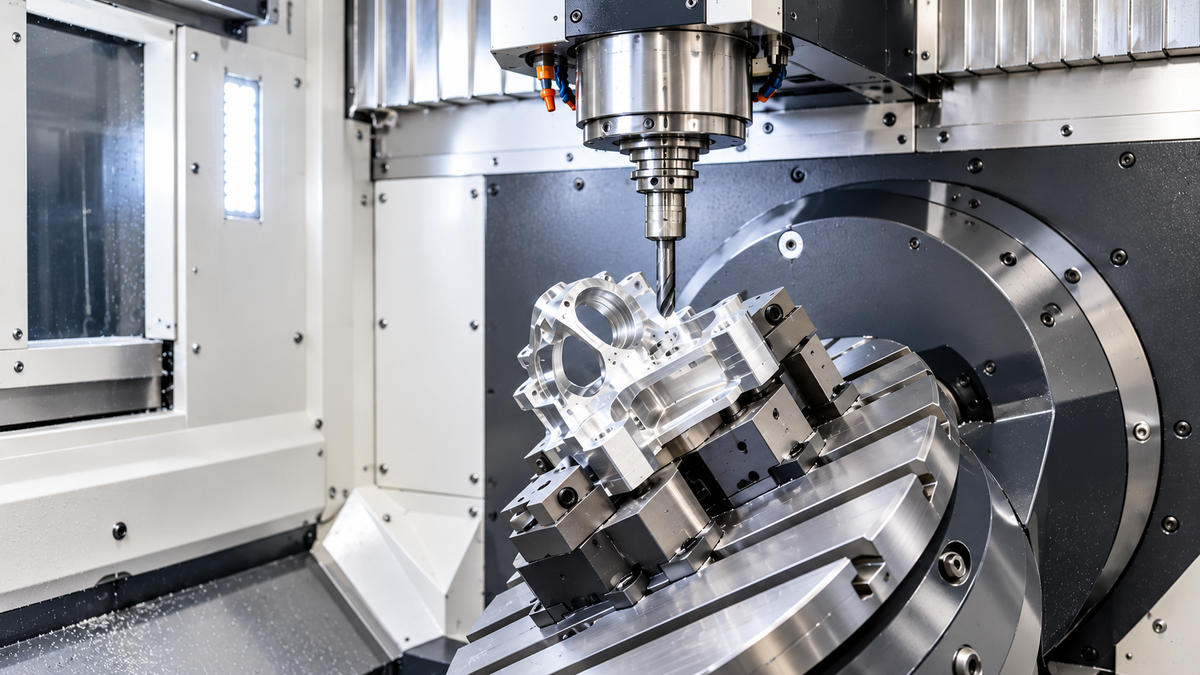
Manufacturing Metal Parts: Processes, Materials & Costs
Manufacturing metal parts requires the right combination of materials, processes, and design. CNC machining, die casting, and metal injection molding (MIM) are common methods for producing custom metal components. The best process depends on part geometry, tolerance, material, and production...
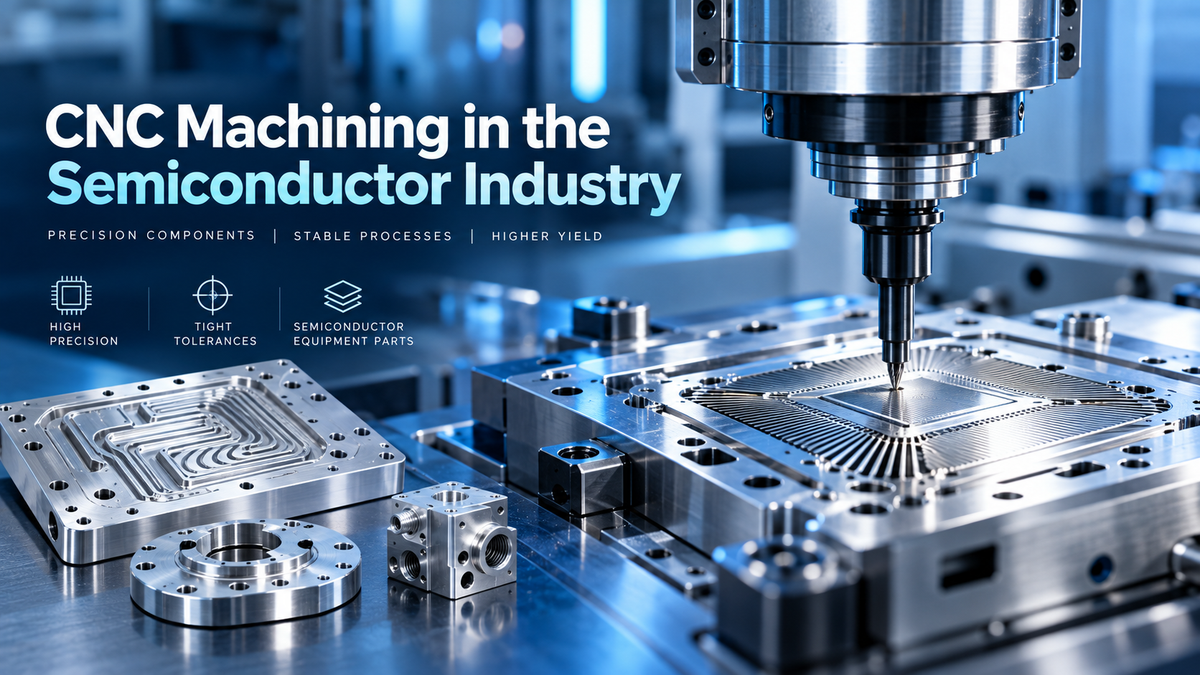
Let's face it. CNC machining in the semiconductor industry often means tight tolerances, 5-axis machines, and micron-level precision. Those things matter, of course. But they do not tell the whole story.A semiconductor equipment part can pass dimensional inspection and still...
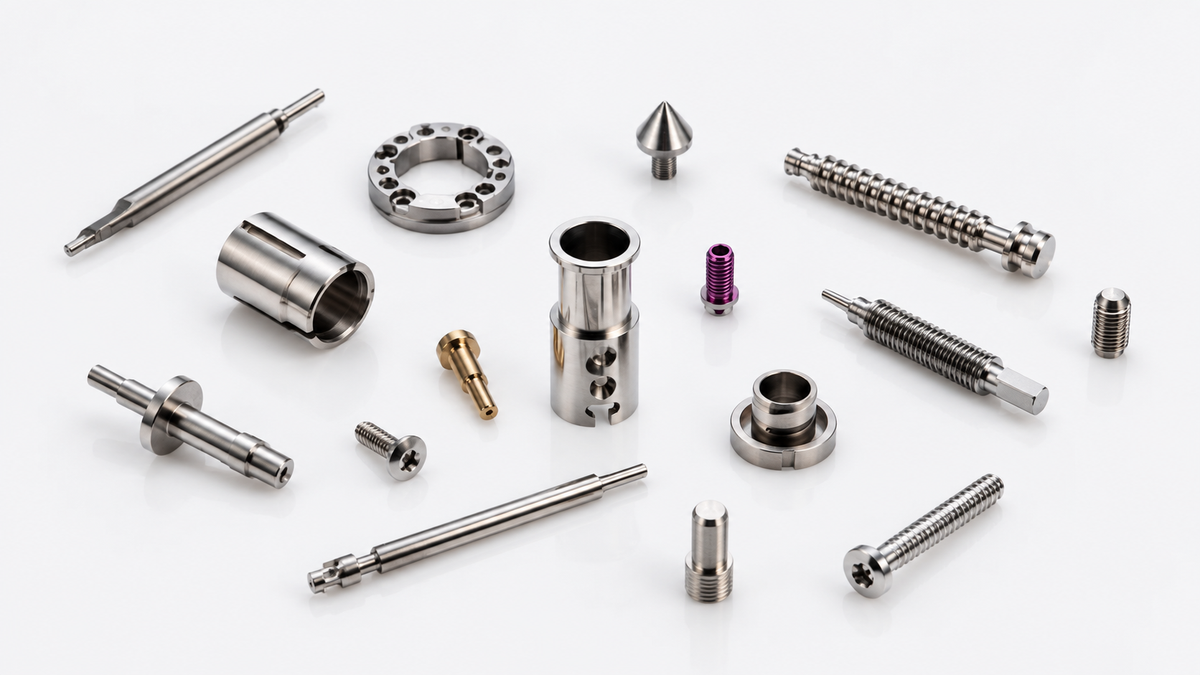
Medical CNC Machining: A Complete Guide to Precision Parts for Healthcare
Medical CNC machining sits at the intersection of advanced manufacturing and patient safety. From surgical instruments and diagnostic device components to precision housings and orthopedic hardware, CNC (computer numerical control) machining helps produce complex parts with repeatable accuracy- often in...

Which CNC File Types Should You Send for an Accurate Quote?
Two manufacturers can receive the same 3D model and return very different CNC machining prices. The reason is not always machine capability or labor cost. Often, the CAD model shows the shape of a part but leaves critical manufacturing requirements...

ISO 13485 Plastic Injection Molding: A Practical Guide for Medical Parts Manufacturing
Are you concerned that a medical plastic part may meet the drawing but still create problems in production because of inconsistent molding, incomplete traceability, uncontrolled changes, or unstable inspection results? This is where ISO 13485 injection molding becomes important. Medical...

Ductile Cast Iron CNC Machined Parts: Material Grades, Machining Process and Tolerance Control
Ductile cast iron CNC machined parts are commonly used for high-load mechanical components requiring high strength, vibration damping, and dimensional stability. Compared with gray cast iron, ductile iron has spherical graphite nodules that significantly improve tensile strength and impact resistance,...

5-Axis CNC Machining Services: How to Improve Multi-Face Accuracy
Your CNC machined part meets its dimensional tolerances, but the mounting holes still don't line up during assembly. What's causing the problem? For components with angled holes, multiple machined faces, or complex geometries, the problem is often not an individual...
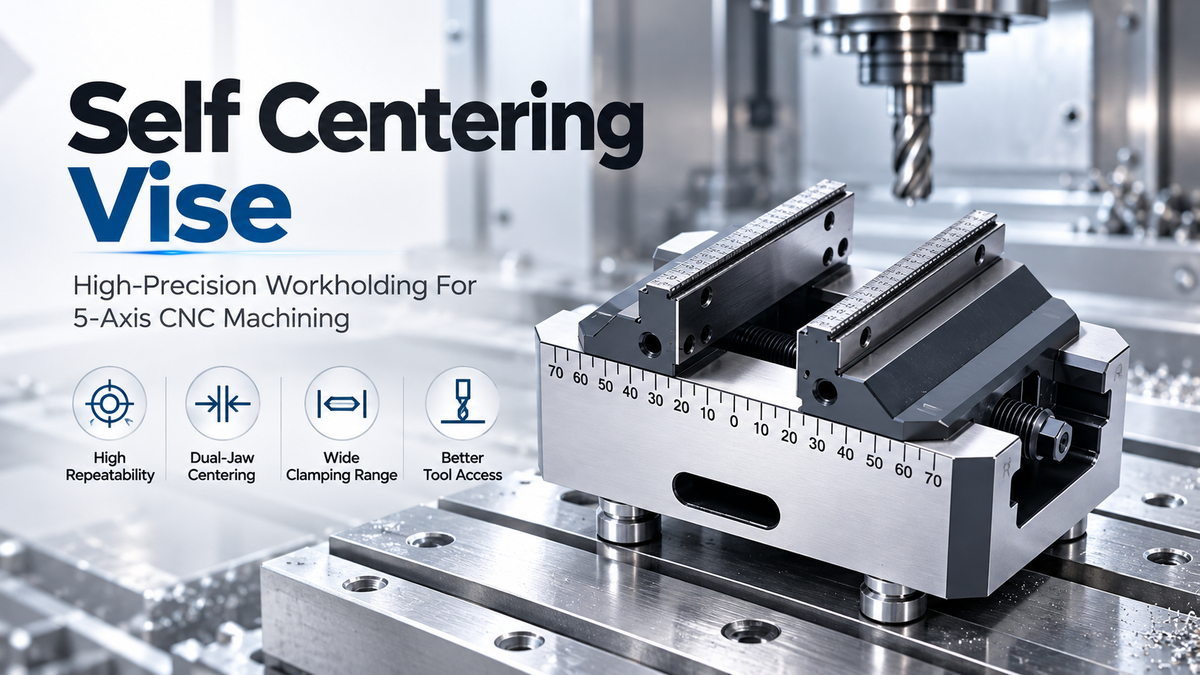
Self Centering Vises for Precision CNC and 5-Axis Machining
A CNC machine may hold position within a few microns, but that accuracy means little if the workpiece moves every time it is clamped. This becomes especially noticeable when part sizes change, batches are switched, or a workpiece needs to...
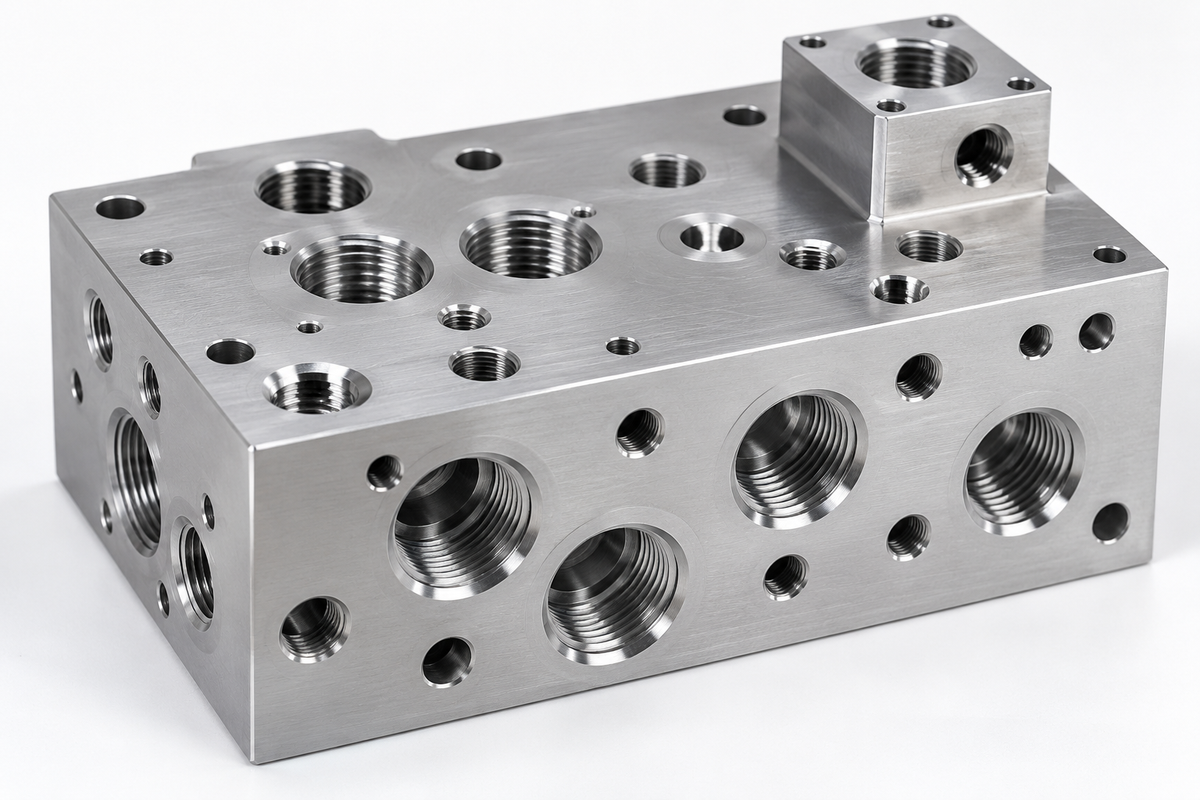
CNC Machining Services for Hydraulic Manifolds: Why Internal Burrs Matter
A hydraulic manifold may look perfectly machined on the outside, but problems can hide inside its oil passages. When two drilled holes intersect, small burrs can form where the cutting tool exits into another passage. If these burrs break loose...