


知识
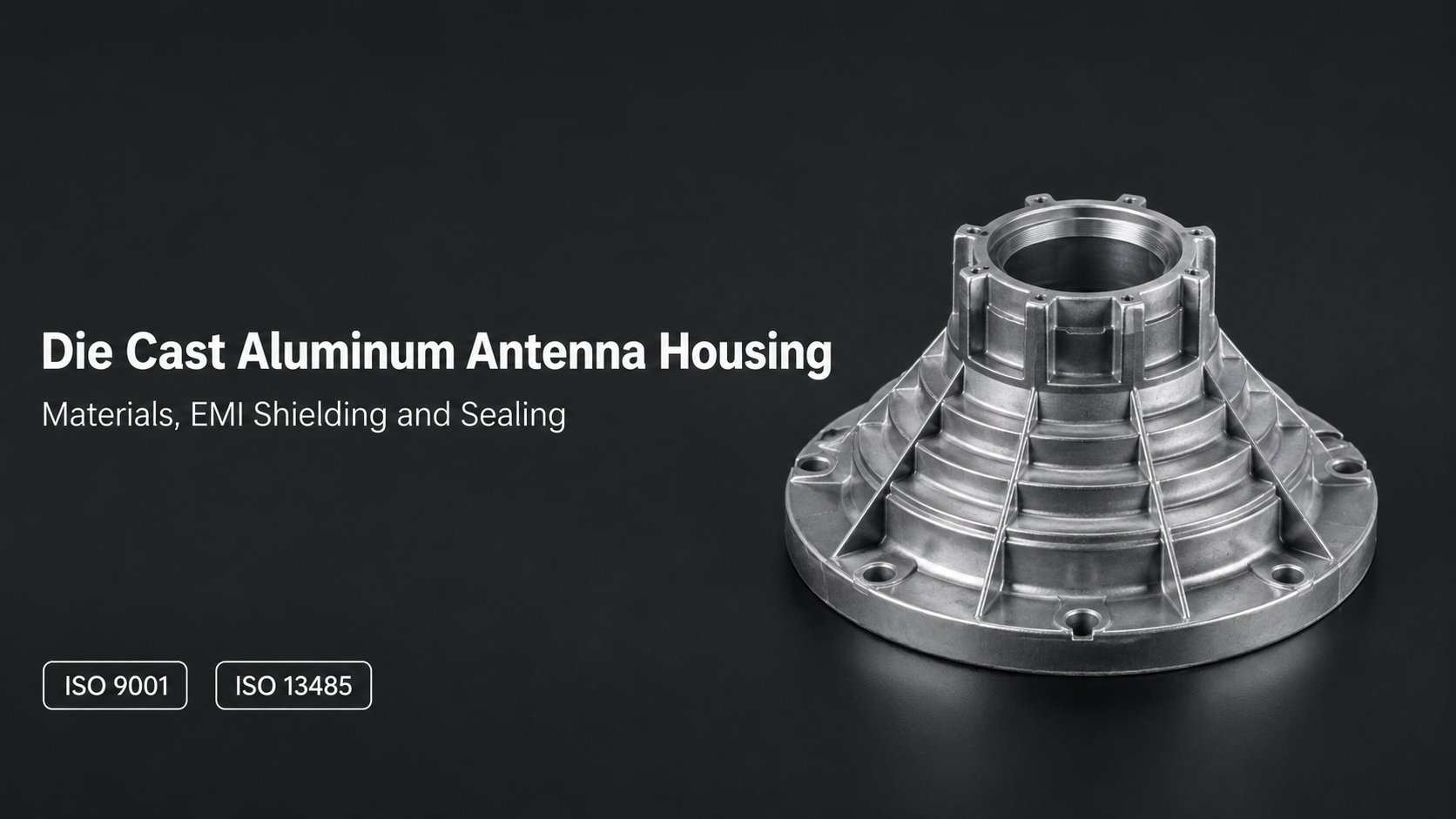
Die Cast Aluminum Antenna Housing: Materials, EMI Shielding and Sealing
A communication antenna housing has to do three jobs at once: shield sensitive electronics from electromagnetic interference, keep out water and dust in an outdoor environment, and dissipate the heat generated by active radio components — all within a single die cast aluminum part. This article explains why aluminum die casting is the standard choice for antenna and base station housings, how EMI shielding and IP-rated sealing are achieved, and what wall thickness and material considerations affect the finished part.
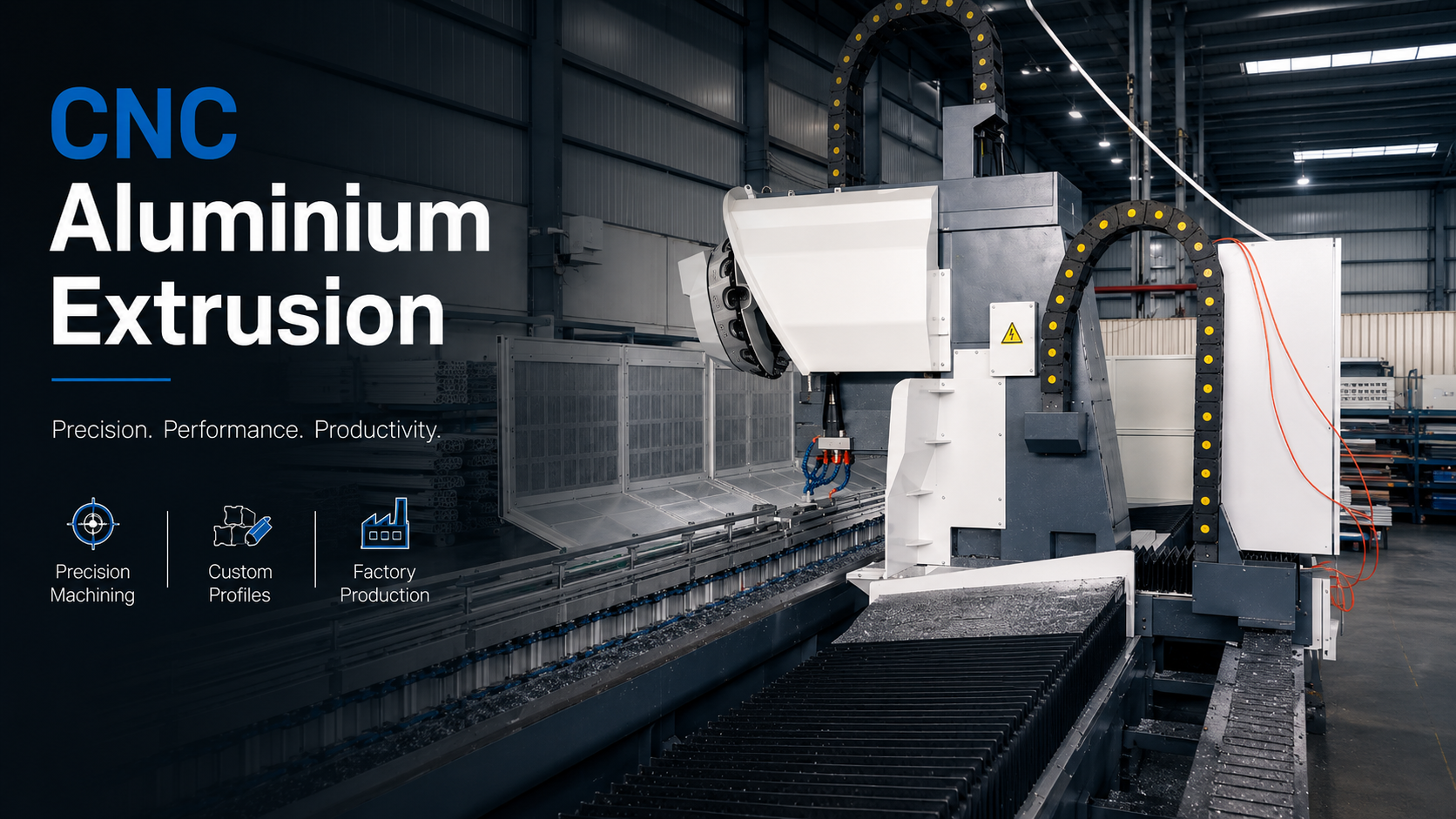
CNC Aluminium Extrusion Guide For Custom Industrial Parts
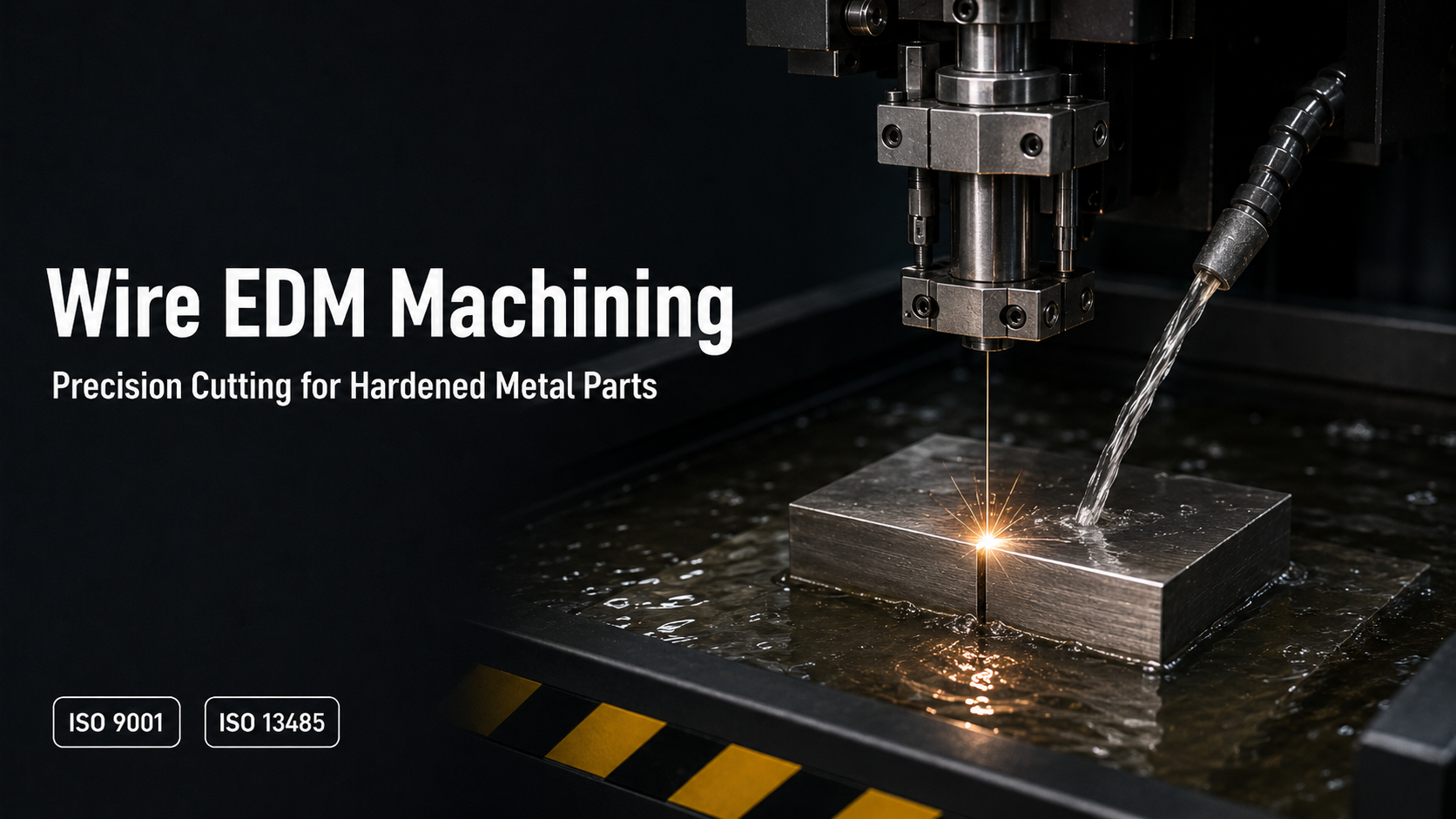
Wire EDM Machining: Precision Cutting for Hardened Metal Parts
Wire EDM cuts through hardened metal with a continuously fed wire electrode instead of a rotating cutting tool, making it possible to machine features and materials that CNC milling can't reach — narrow slots, sharp internal corners, and hardened tool steel after heat treatment. This article explains how wire EDM works, what tolerances and finishes it can achieve, and when it's the right process for a part CNC machining alone can't complete.
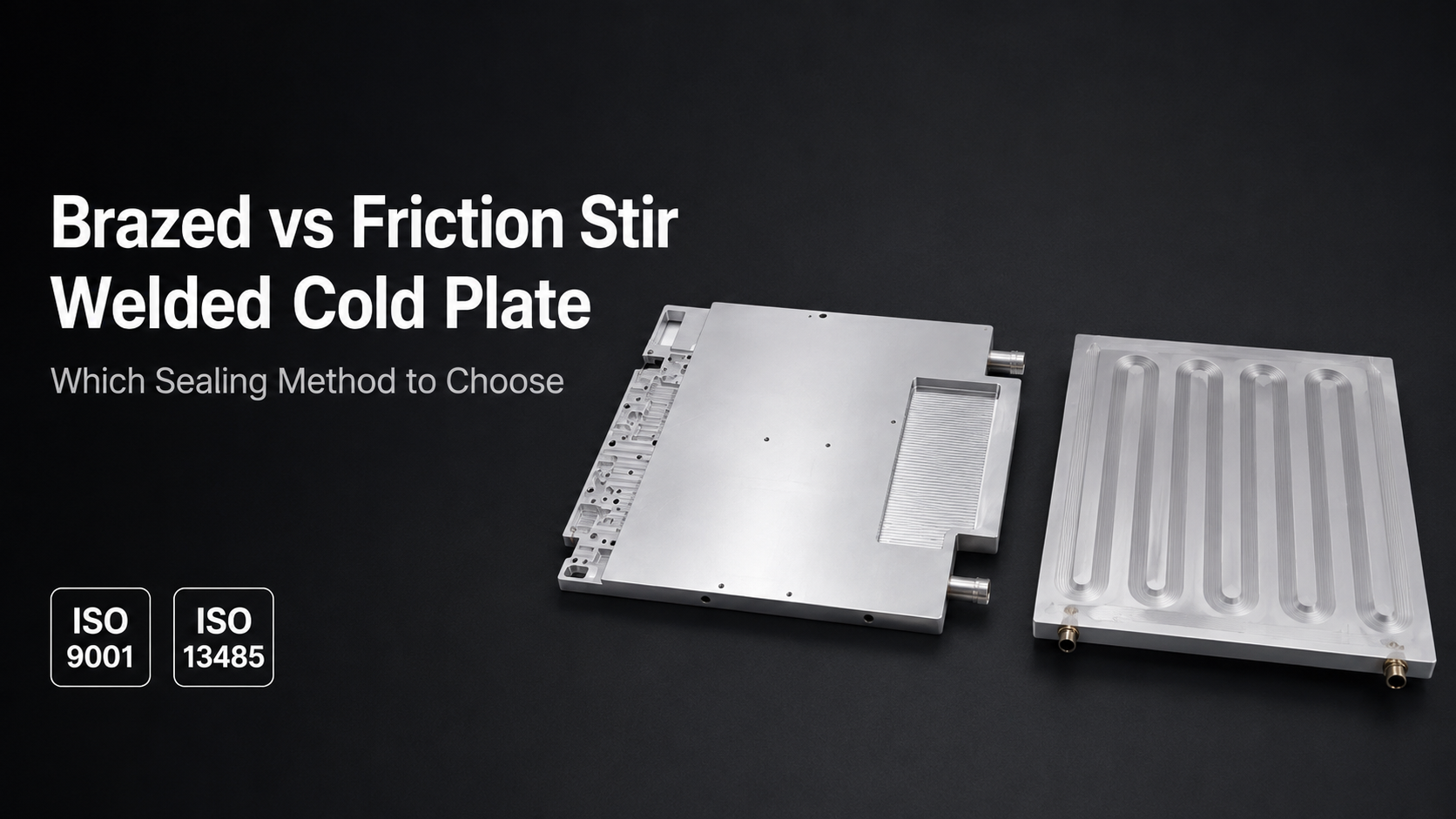
Brazed vs Friction Stir Welded Cold Plate: Which Sealing Method to Choose
Brazing and friction stir welding (FSW) are the two dominant methods for sealing the channel-and-cover structure of a liquid cold plate, and the choice affects burst pressure, long-term leak reliability, and design flexibility in different ways. This article compares how each method performs under pressure and thermal cycling, what channel geometries each supports, and which applications favor one method over the other.
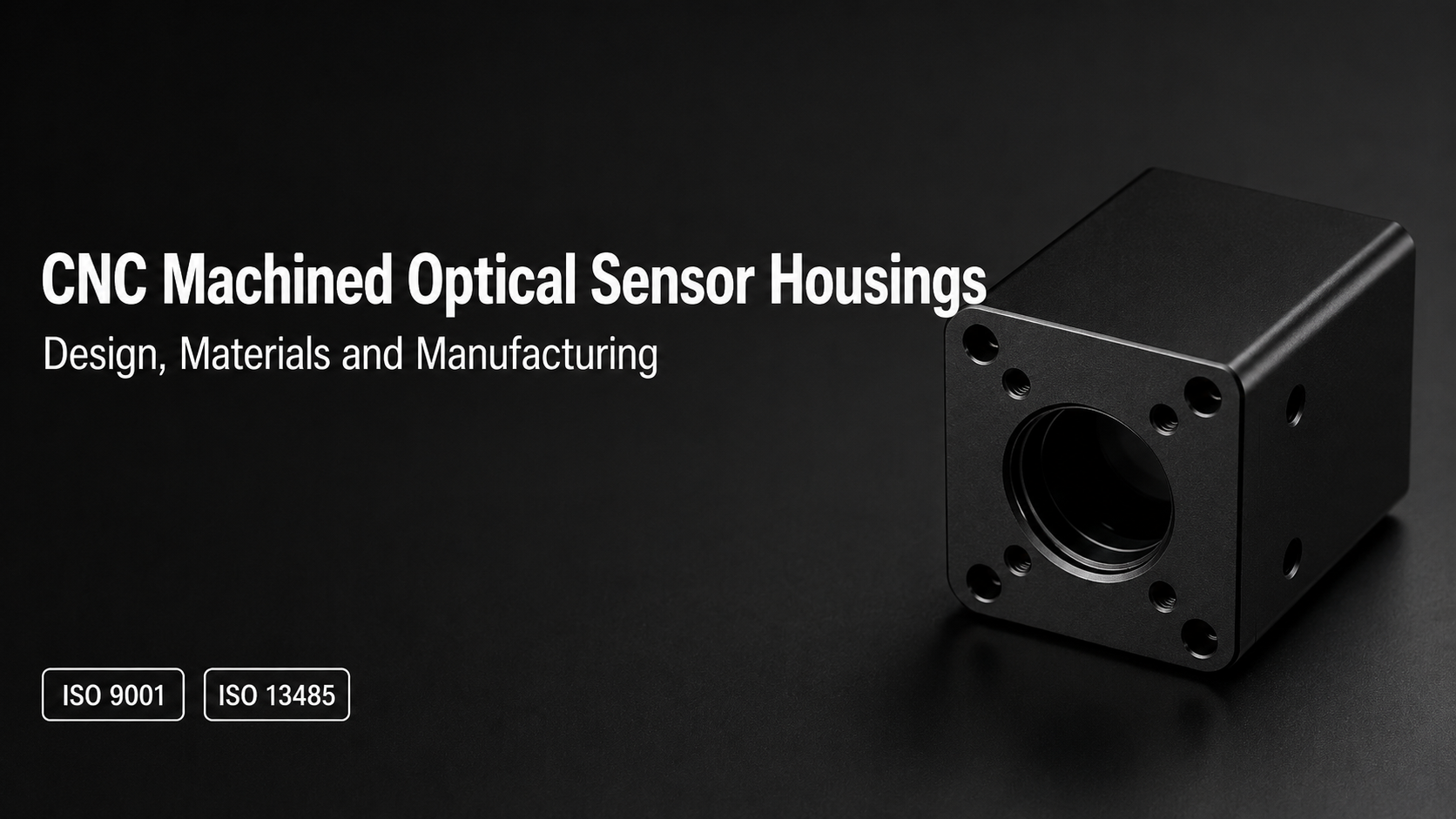
CNC Machined Optical Sensor Housing: Design, Materials and Manufacturing
An optical sensor housing does more than hold a sensor in place — it must align the sensor's active area to the optical path, manage heat generated behind the sensor, shield sensitive circuitry from EMI, and often seal against dust and moisture, all within a compact envelope. This article explains what distinguishes sensor housings from general optical housings, the tolerance, thermal, and EMI requirements involved, and the material and machining choices that determine whether a housing performs reliably in the field.
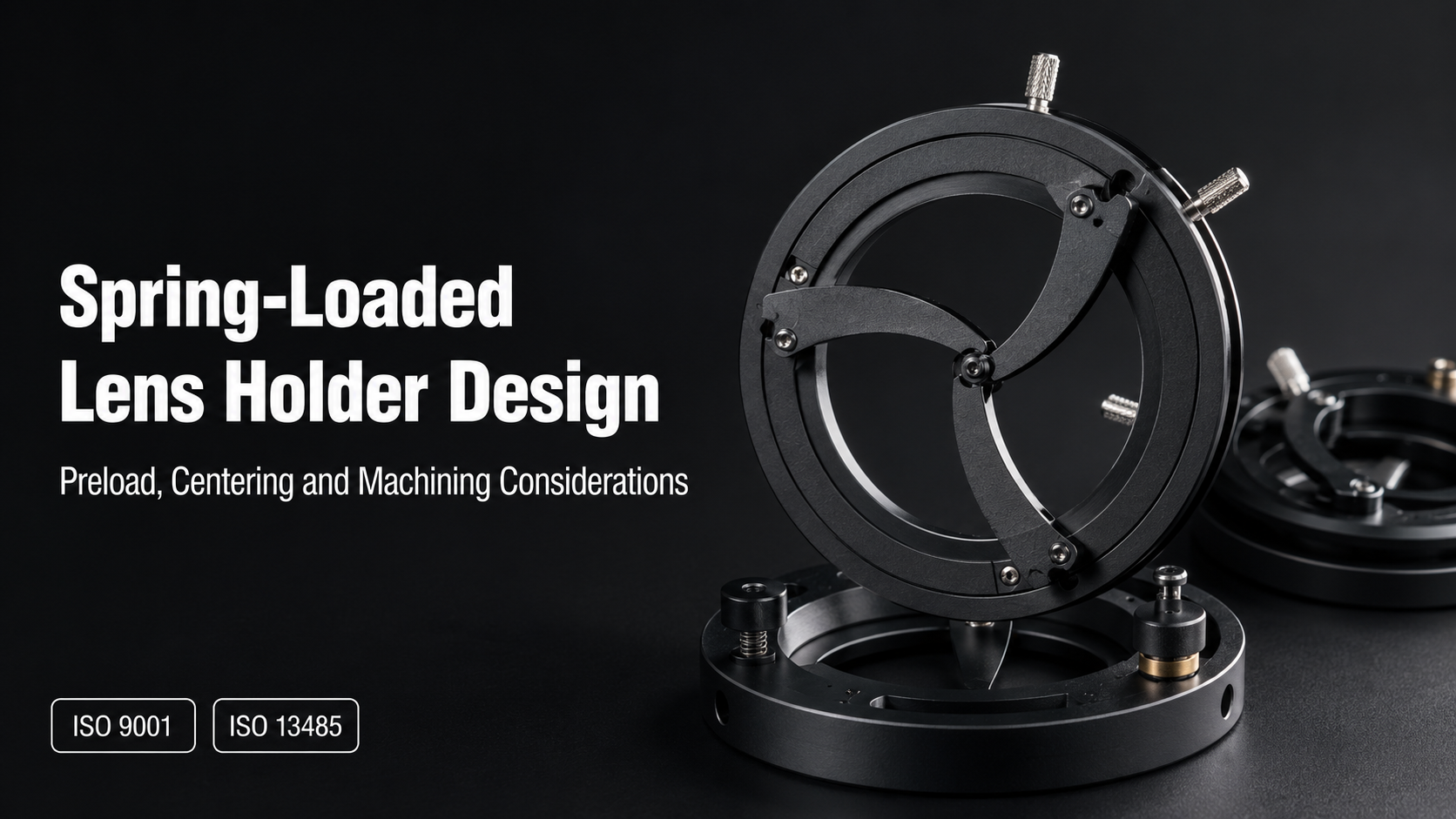
Spring-Loaded Lens Holder Design: Preload, Centering and Machining Considerations
Rigid lens holders can lose contact with the optic — or overstress it — once thermal expansion and manufacturing tolerances stack up across an assembly. Spring-loaded lens holders solve this by applying a controlled preload force that keeps the lens seated and centered across temperature changes and vibration. This article explains common preload mechanisms, how preload force affects centering and wavefront error, and the machining considerations that go into producing spring-loaded lens holders.
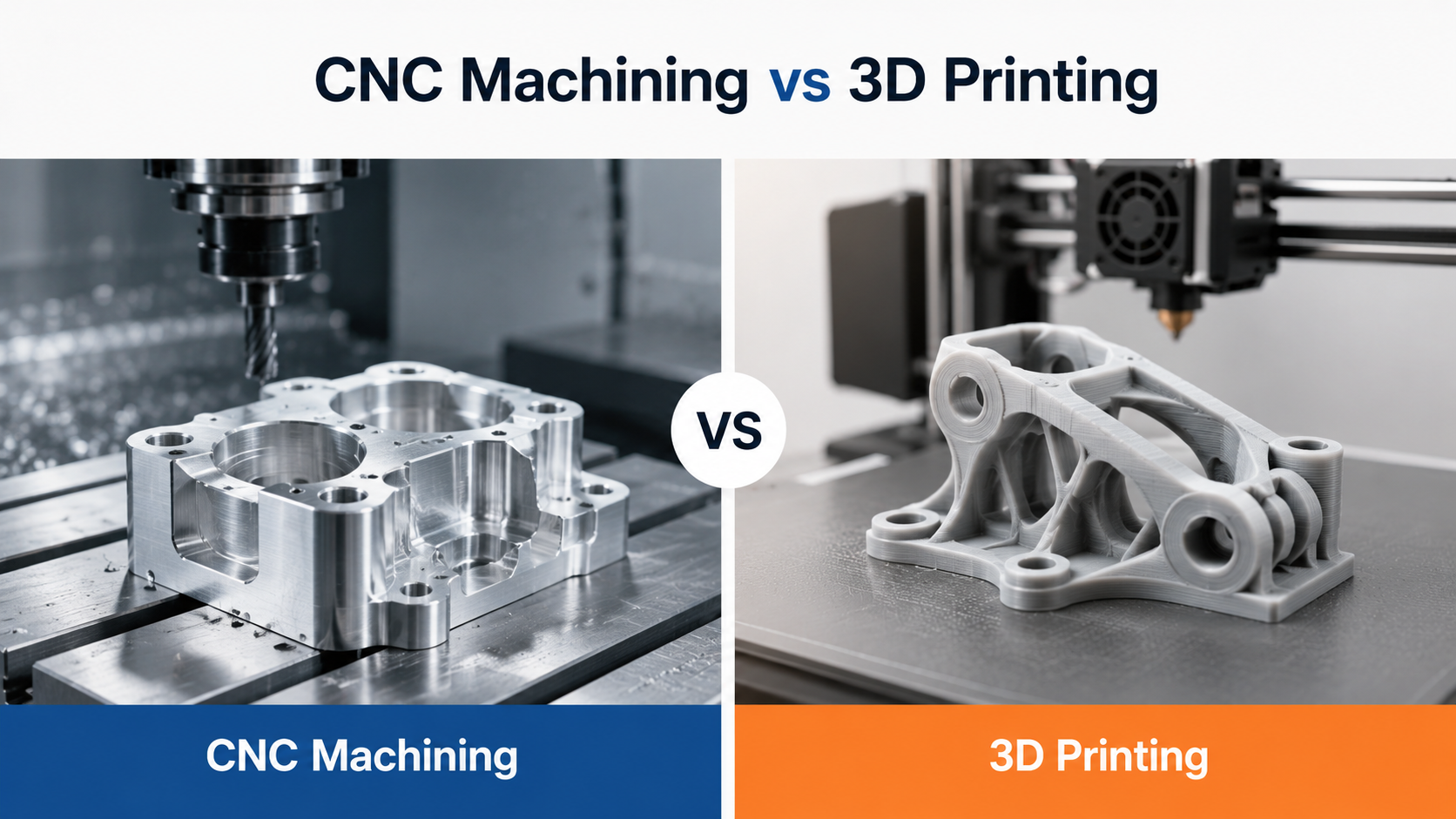
CNC Machining vs 3D Printing for Custom Parts
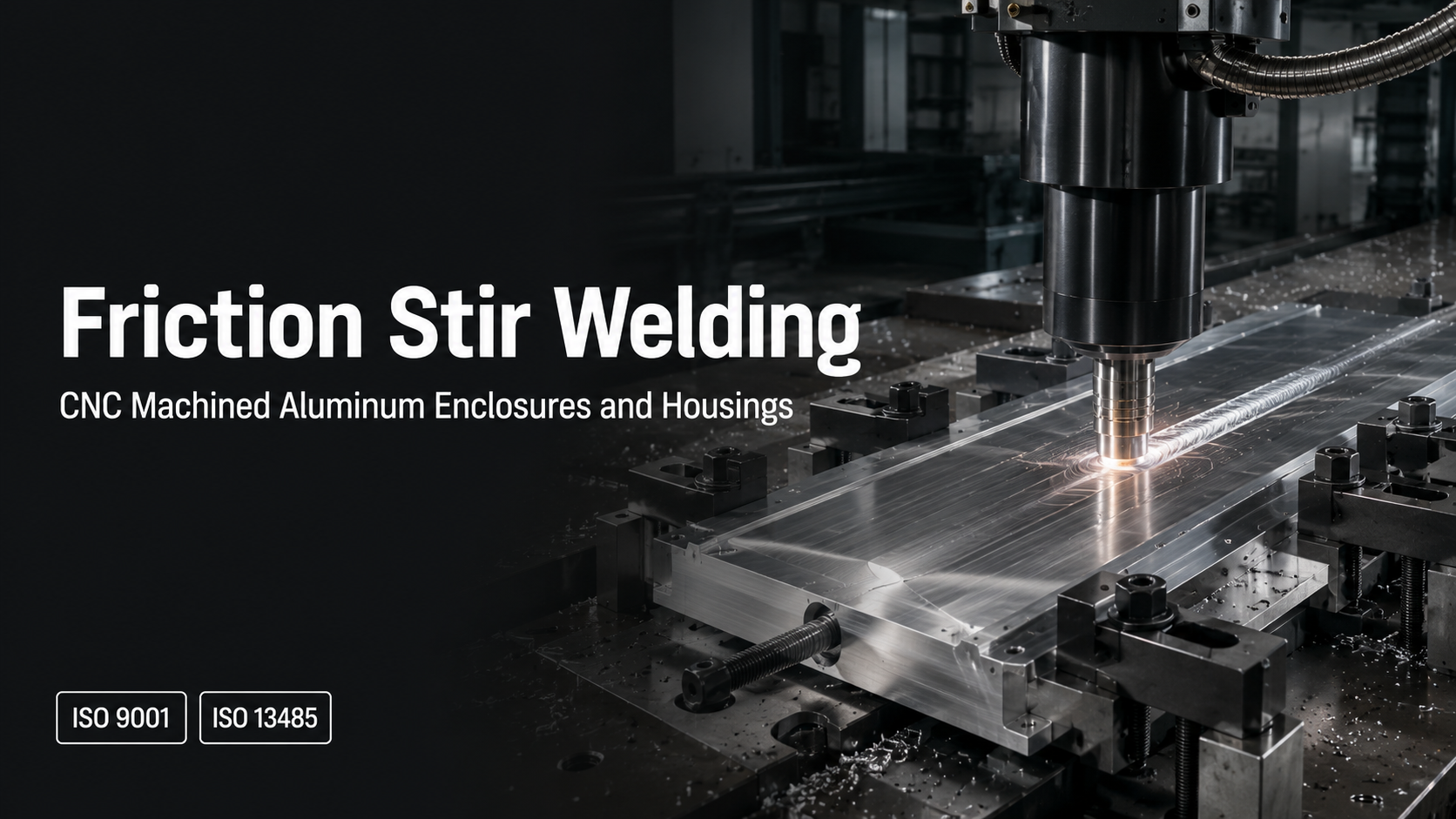
Friction Stir Welding: CNC Machined Aluminum Enclosures and Housings
Friction stir welding (FSW) joins aluminum components in the solid state, avoiding the melting, porosity, and distortion common in fusion welding. At XY-Global, FSW is performed in-house alongside CNC machining, allowing sealed aluminum enclosures and housings to be welded and finish-machined in a single controlled workflow. This article explains how FSW works, which aluminum grades and joint types it suits, and how combining it with CNC machining improves dimensional stability for sealed, high-integrity parts.
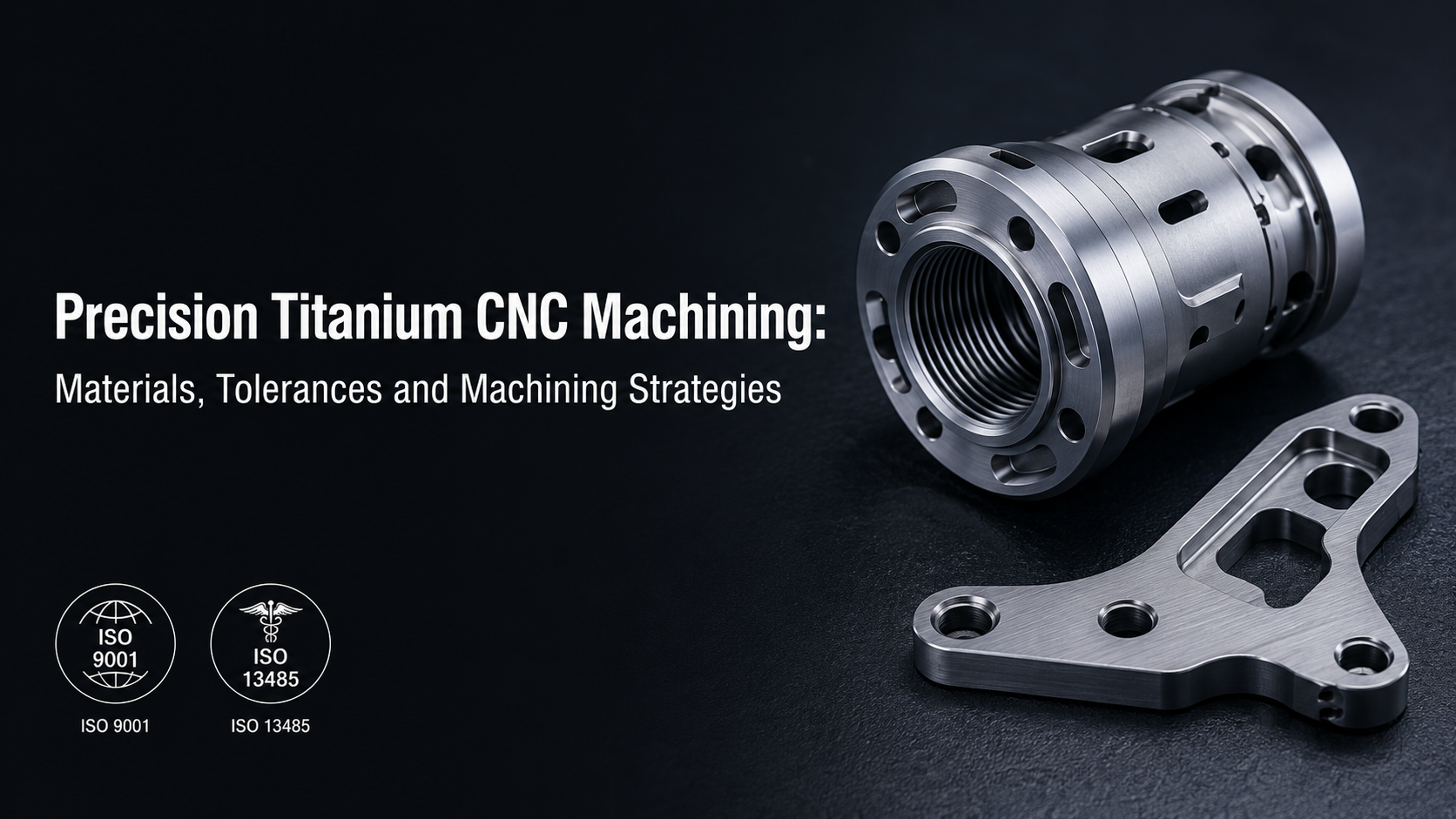
Precision Titanium CNC Machining: Materials, Tolerances and Machining Strategies
Titanium offers a combination of properties — high strength-to-weight ratio, low thermal expansion, excellent corrosion resistance, and biocompatibility — that makes it the material of choice for demanding applications in medical devices, aerospace systems, optical instruments, and precision industrial equipment. However, those same properties make titanium significantly more difficult to machine than aluminum or steel. Achieving tight tolerances and good surface finish on titanium requires specific tooling, cutting strategies, coolant management, and process knowledge that differ substantially from standard CNC machining practice. This article explains what precision titanium CNC machining involves, why titanium presents unique process challenges, which alloys are most commonly used, and what to look for in a machining supplier for titanium components.