知识

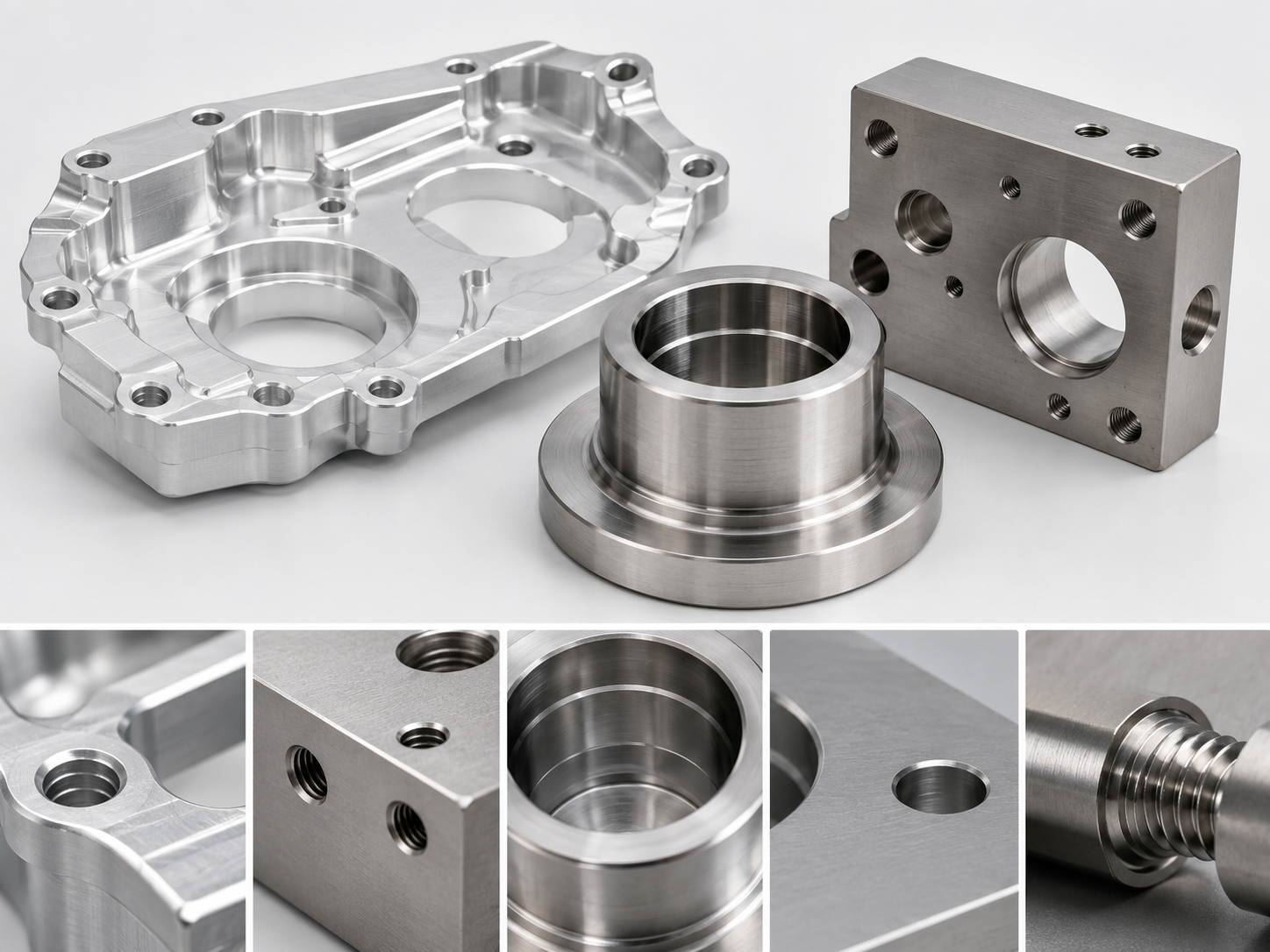
Comparison banner showing CNC milling machining an aluminum part and CNC turning machining a stainless steel shaft

CNC Milling vs CNC Turning:A quick guide for marketer

Choosing between CNC milling and CNC turning depends on more than machine type. It depends on part geometry, tolerance requirements, surface finish, and production volume. This article breaks down the differences between the two processes and shows how to select the right option for better manufacturability, cost control, and production efficiency.

阅读更多

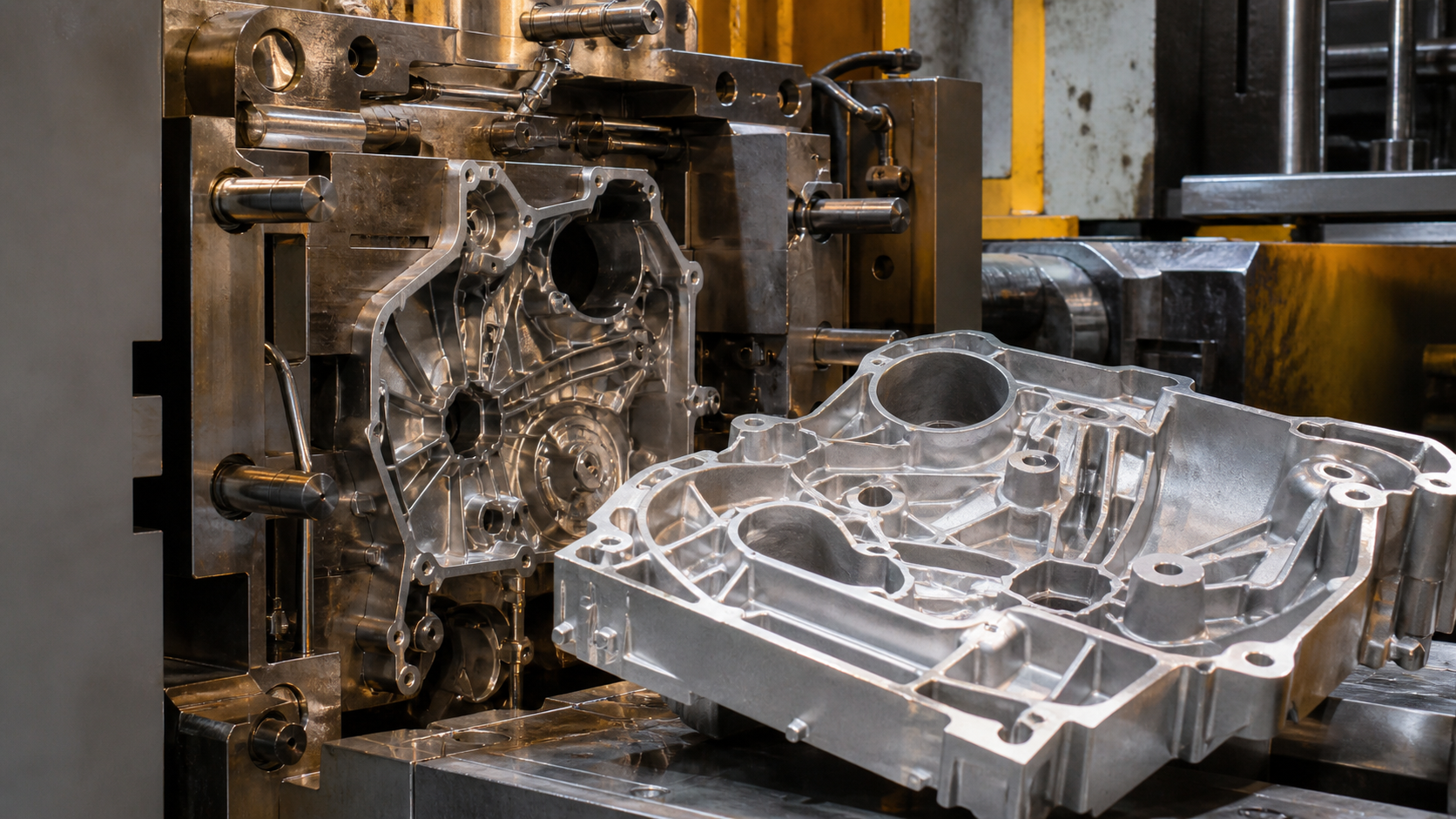
What is CNC System? The Ultimate Guide to Modern Precision Manufacturing

What is CNC System? The Ultimate Guide to Modern Precision Manufacturing

In the world of modern manufacturing, precision is no longer just a goal—it is a requirement. If you’ve ever wondered how intricate metal parts, wooden furniture, or plastic prototypes are made with such flawless accuracy, the answer lies in a CNC...

阅读更多

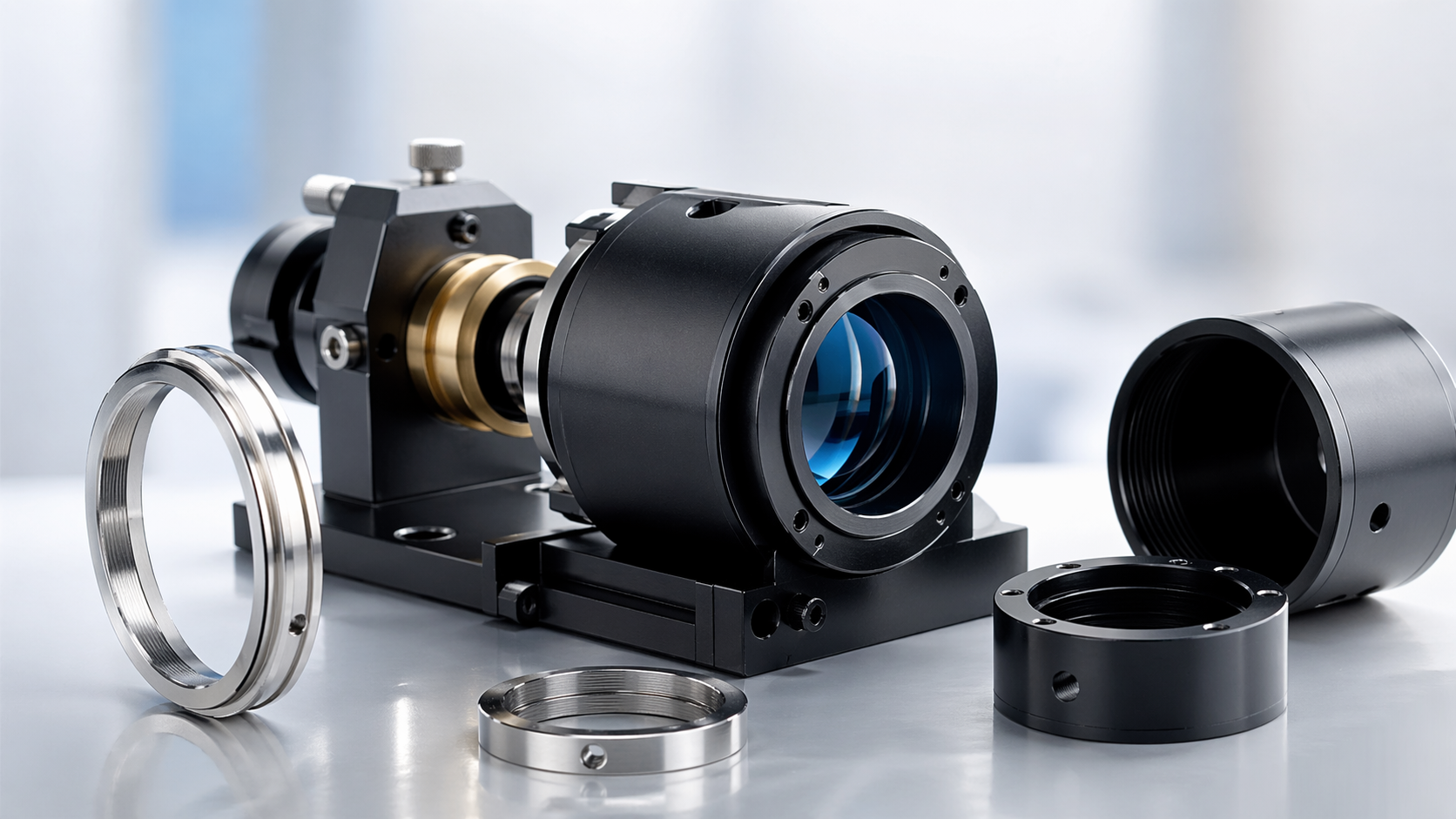
CNC Optical Components: How to Achieve High-Precision

CNC Optical Components: How to Achieve High-Precision

In the precision manufacturing landscape, optical components represent the pinnacle of technical difficulty. Whether it is a laser housing for a medical device, a satellite mirror, or a complex lens for a high-end camera, the requirements for surface roughness (Ra)...

阅读更多

Medical Device by Precision Machining

Precision Defined: The Critical Role of Medical Device Precision Machining in Modern Healthcare

The quality of medical components is a matter of life and death; here, precision is the only standard. As the backbone of modern healthcare manufacturing, medical device precision machining transforms complex designs into critical hardware. From microscopic bone screws to intricate...

阅读更多

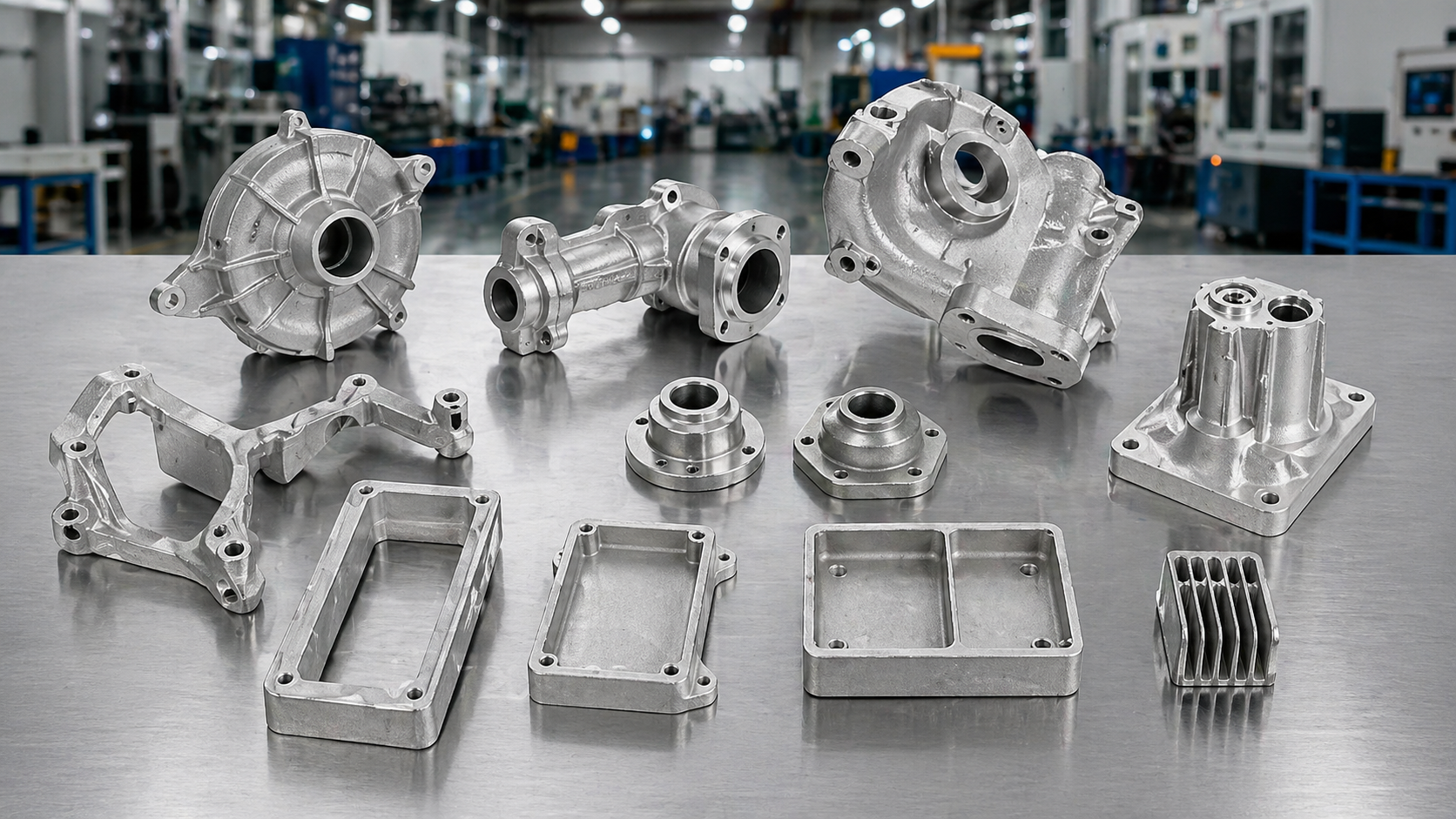
Comparison between CNC machining and MIM metal injection molding manufacturing processes

CNC Machining vs Metal Injection Molding: The Core Differences

What is CNC Machining CNC machining is a subtractive manufacturing process. A computer-controlled machine removes material from a solid block using cutting tools until the final shape is achieved. The process begins with a CAD model. Engineers convert the design...

阅读更多

Brass CNC Machining for Precision Custom Parts

Brass CNC Machining for Precision Custom Parts

Brass CNC machining is widely used for parts that need good machinability, electrical conductivity, corrosion resistance, and a clean machined surface. Common applications include connectors, fittings, terminals, bushings, sleeves, pins, valve parts, decorative components, and small precision assemblies. Brass is...

阅读更多

Complex CNC Machining Parts: A Practical Guide to Complex Components

Complex CNC Machining Parts: A Practical Guide to Complex Components

"A Practical Perspective from Years on the Shop Floor" The first time people see a 5-axis machine running, they’re impressed. The table rotates. The spindle tilts. Toolpaths look dense and precise. It feels like the machine can make anything. But...

阅读更多

Ultra precision CNC manufacturing process showcasing advanced machining capability from free prototype validation to lifetime warranty production support.

精密 CNC 制造:免费 CNC 原型及终身保修

大多数 CNC 供应商都在价格上竞争,而 XY-GLOBAL 以信心取胜。

本文将介绍我们的精密 CNC 制造模式如何通过免费原型验证、±1μm 公差能力、Ra ≤ 0.1μm 表面控制以及终身保修承诺来降低工程风险。

我们的方案专为光学、医疗和高性能自动化行业打造,重点关注可量化的精度、稳定的工艺和长期责任,而不仅仅是加工精度。

从验证到批量生产,我们重新定义真正可靠的精密 CNC 制造意味着什么。

阅读更多

Optical Mirror Machining: GD&T-Controlled Precision for High-Stability Optical Systems

光学镜面加工:GD&T 控制下的高稳定性光学系统精密制造

光学反射镜加工是一种高度受控的精密工艺,其中几何精度、热稳定性和表面完整性会直接影响光学对准和系统性能。 在激光系统、成像模块、干涉测量设备和高精度光学组件中,即使同轴度或平面度出现10–15 μm的偏差,也可能导致光束偏移、失准或光学性能下降。 因此,光学反射镜加工并非传统CNC加工——它需要几何控制策略、热补偿规划以及先进的测量验证。 光学反射镜加工中的几何尺寸和公差(GD&T) 光学反射镜部件很少仅通过简单的±尺寸公差进行控制。相反,其功能性能取决于GD&T特性,例如: 同心度 全跳动 平面度 平行度 垂直度 位置度 典型的光学反射镜加工要求: 直径公差:±0.005 – ±0.01 mm同轴度:≤ 0.01 mm全跳动:≤ 0.015 mm平面度:≤ 0.01 mm平行度:≤ 0.01 mm 为什么这很重要: 在反射镜安装组件中,0.02 mm的轴线偏移可能改变反射角和光学对准。对于精密光束系统,这会转化为可测量的光路偏差。 为控制GD&T要求,我们采用: 在可行情况下采用单次装夹加工策略 根据零件几何形状定制的精密软爪 优化刀具路径,最大限度减少径向切削应力 针对功能表面的专用精加工工序 这可减少公差累积,并提高批量生产的一致性。 热稳定性与膨胀考量 在光学反射镜加工中,热行为常常被低估。 不同材料的膨胀速率不同。例如: 铝6061-T6热膨胀系数(CTE):约23 × 10⁻⁶...

阅读更多