Precision Titanium CNC Machining: Materials, Tolerances and Machining Strategies
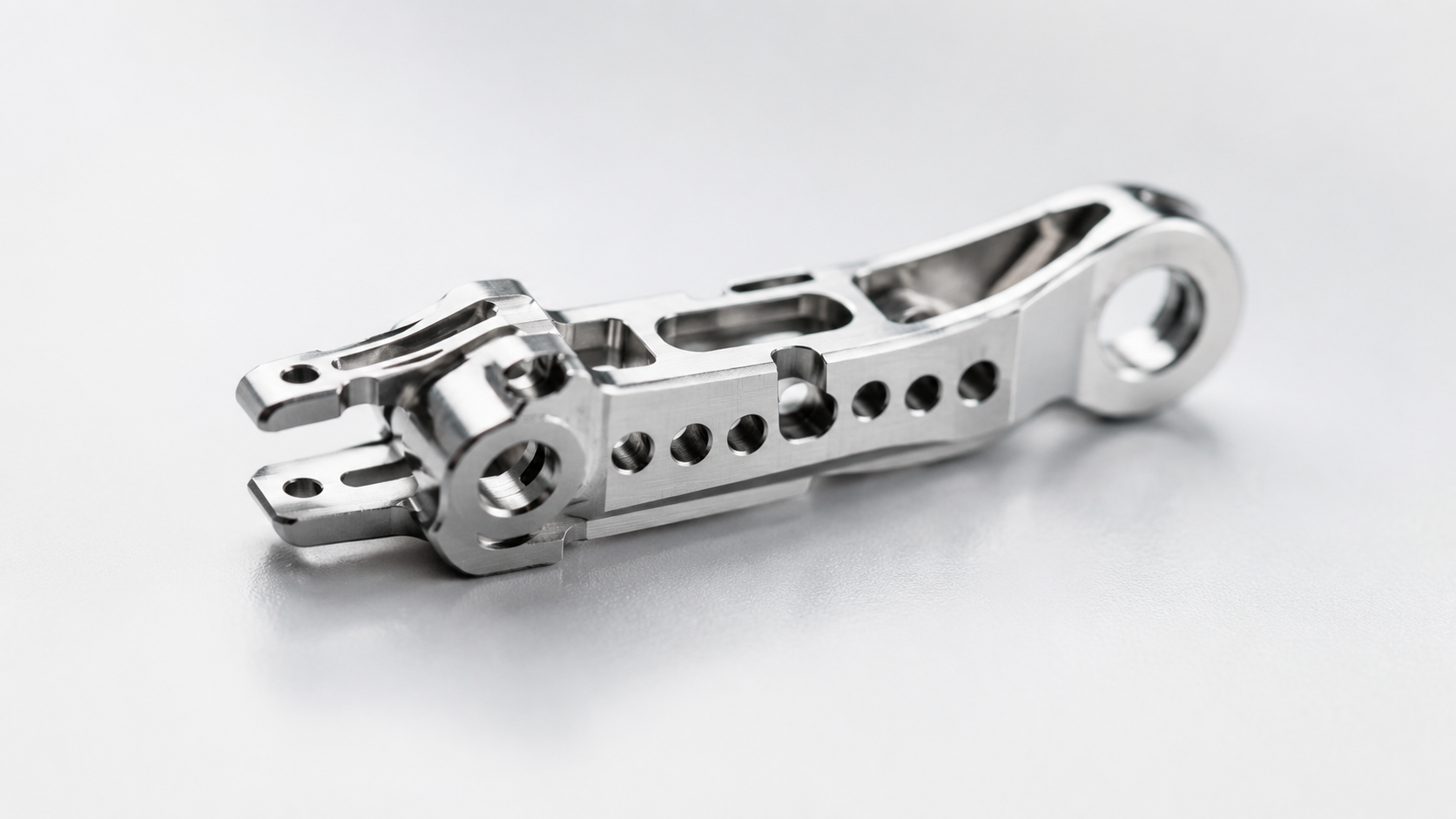
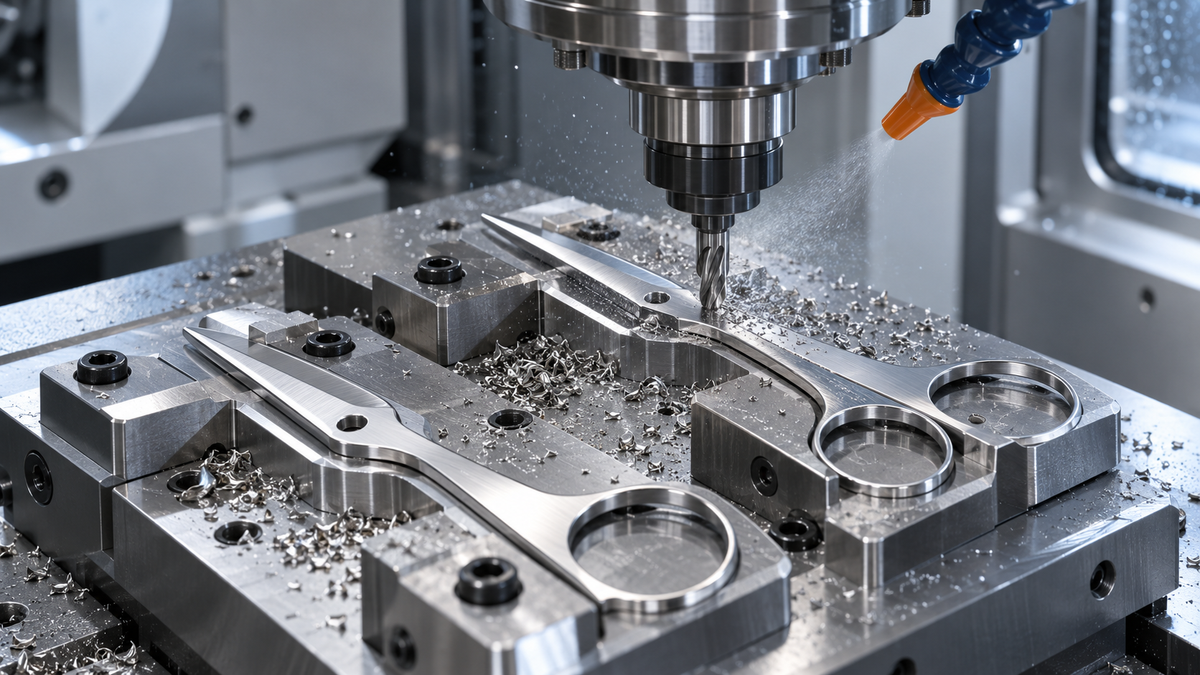
Titanium offers a combination of properties — high strength-to-weight ratio, low thermal expansion, excellent corrosion resistance, and biocompatibility — that makes it the material of choice for demanding applications in medical devices, aerospace systems, optical instruments, and precision industrial equipment. However, those same properties make titanium significantly more difficult to machine than aluminum or steel. Achieving tight tolerances and good surface finish on titanium requires specific tooling, cutting strategies, coolant management, and process knowledge that differ substantially from standard CNC machining practice. This article explains what precision titanium CNC machining involves, why titanium presents unique process challenges, which alloys are most commonly used, and what to look for in a machining supplier for titanium components.
Medical Die Casting for Custom Medical Equipment Components
Flexure Mounts for Precision Optical and Mechanical Assemblies
CNC Precision Micro Optics: Machined Components for Miniaturized Optical Systems
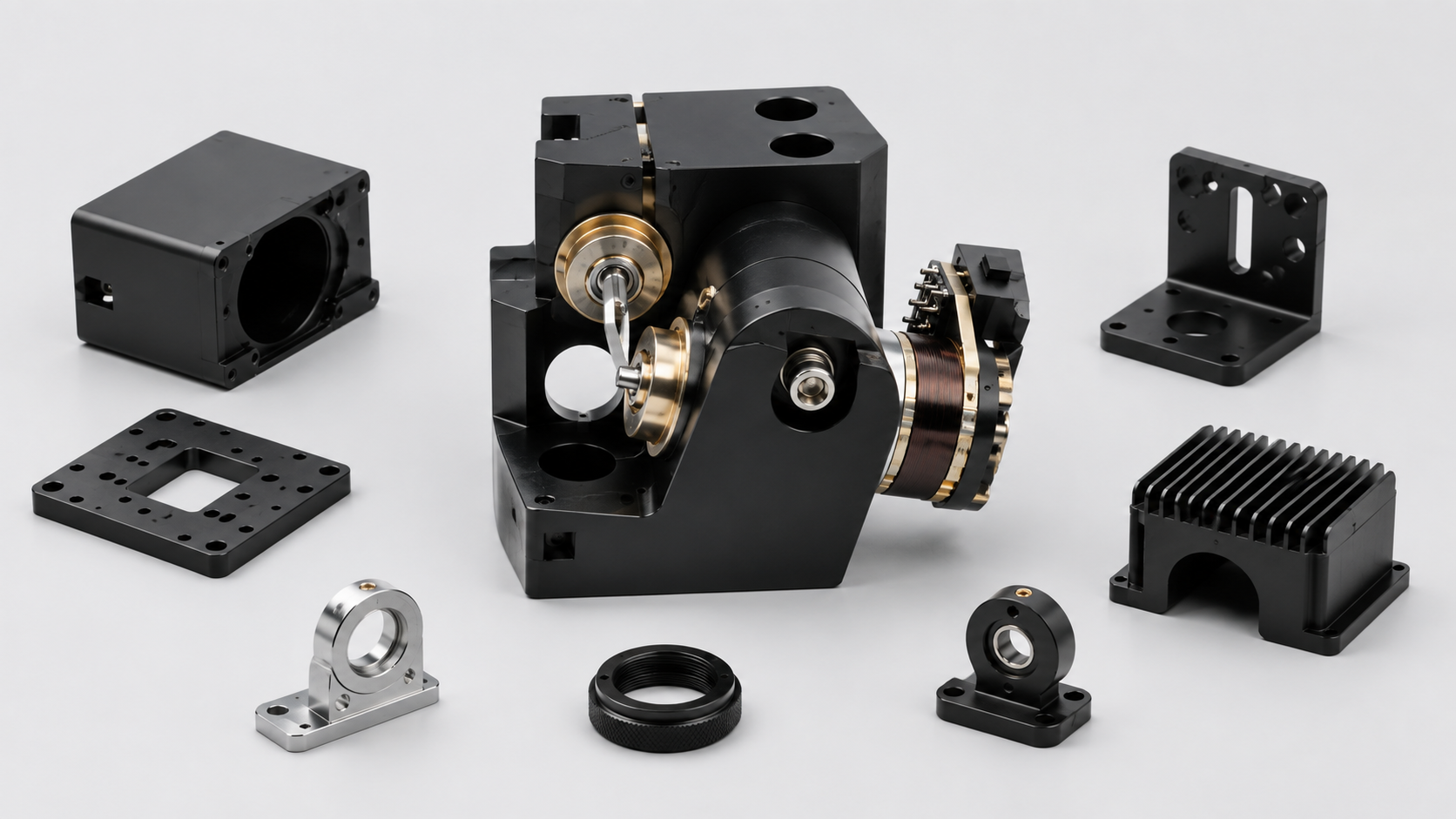
As optical systems grow smaller and more capable, the CNC machined mechanical components inside them — miniature lens barrels, micro housings, spacers, and mounting structures — must meet increasingly demanding dimensional and surface requirements. CNC machining is the primary manufacturing method for these parts, but working at miniature scale introduces specific process challenges that differ from standard precision machining. This article explains what CNC precision micro optics components are, why their production demands specialist process control, and what engineers should look for when selecting a manufacturing partner for miniature optical mechanical parts.
CNC Machining Surface Finish: Why It Matters for Precision Parts
Optical Precision Manufacturing Services for Custom Optomechanical Parts
CNC Machined LiDAR Components: Precision Manufacturing for Optical Sensing Systems
LiDAR systems depend on mechanical components that are as precise as the optical and electronic elements they support. Housings, mirror mounts, lens barrels, and sensor enclosures must hold tight dimensional tolerances, maintain alignment under vibration and thermal cycling, and meet strict surface finish requirements for optical performance. This article explains what CNC machined LiDAR components are, why precision machining is the right manufacturing process for them, and what engineers and buyers should consider when sourcing these parts from prototype to production.
Optical Precision Manufacturing Services for Custom Optomechanical Components
AI 서버 및 데이터 센터 액체 냉각 시스템용 맞춤형 판금 부품