



In optischen Systemen wird die Leistung oft mit Linsen, Sensoren, Spiegeln oder Lasermodulen in Verbindung gebracht. Doch das mechanische Gehäuse, das diese Komponenten hält, ist genauso wichtig. Eine Linse mag hochpräzise sein, aber wenn das Gehäuse die Ausrichtung, Stabilität und Lichtsteuerung nicht aufrechterhalten kann, kann die optische Gesamtleistung dennoch beeinträchtigt werden.
Deshalb werden CNC-bearbeitete optische Gehäuse in anspruchsvollen optischen Geräten weit verbreitet eingesetzt. Sie sind nicht einfach nur Metallgehäuse. Es sind präzisionsgefertigte Strukturteile, die dazu dienen, die optische Ausrichtung zu unterstützen, empfindliche Komponenten zu schützen, unerwünschte Reflexionen zu reduzieren und die dimensionale Stabilität während der Montage und des Betriebs zu gewährleisten.
Für Hersteller und Ingenieure ist es wichtig, die Rolle optischer Gehäuse zu verstehen, bevor sie vom Design zur Produktion übergehen. Das Gehäusedesign, das Material, die Toleranzstrategie, die Oberflächengüte und der Bearbeitungsprozess können die endgültige Leistung des optischen Systems beeinflussen.

Was sind CNC-bearbeitete optische Gehäuse?
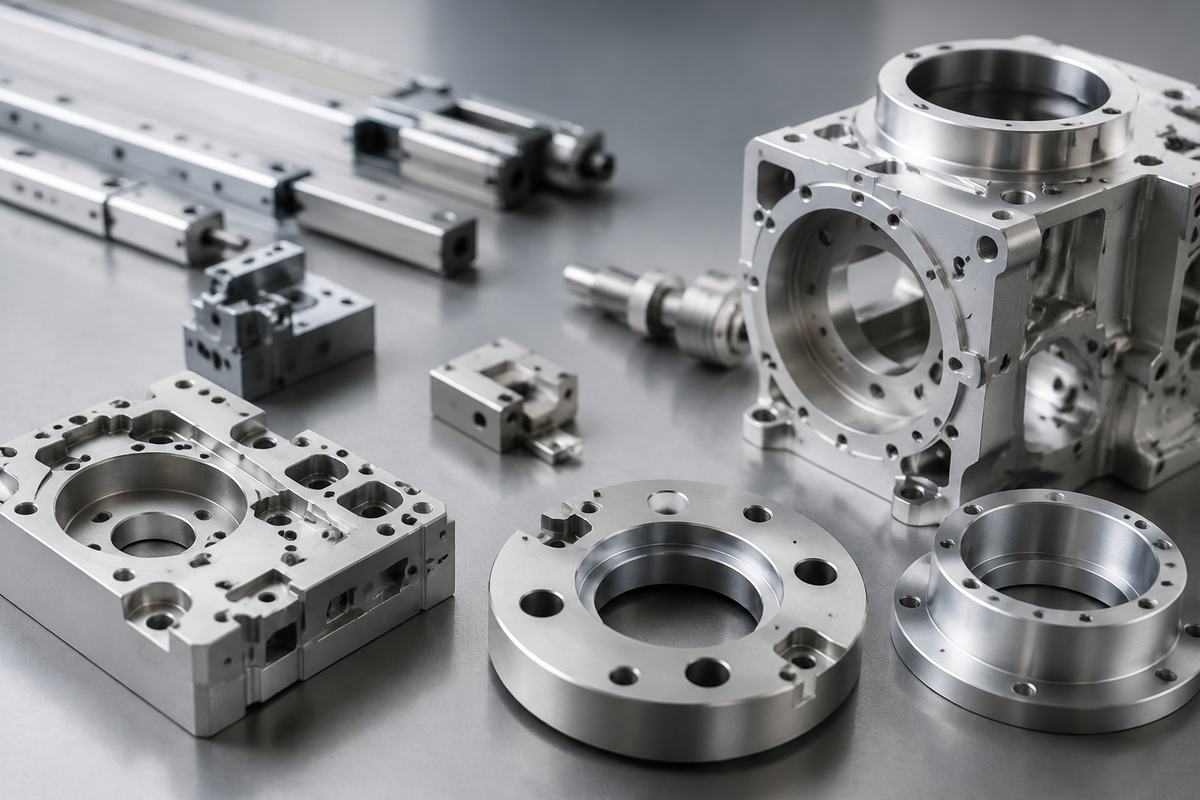
CNC-bearbeitete optische Gehäuse sind Präzisionsmetallstrukturen, die durch CNC-Fräsen, Drehen, Bohren, Spindeln oder Mehrachsenbearbeitung hergestellt werden. Ihre Hauptfunktion besteht darin, optische Komponenten wie Linsen, Sensoren, Filter, Lasermodule, Spiegel oder Bildgebungseinheiten zu halten und zu positionieren.
Im Gegensatz zu standardmäßigen mechanischen Abdeckungen oder einfachen Schutzgehäusen müssen optische Gehäuse oft strenge Anforderungen an Genauigkeit und Stabilität erfüllen. Sie können Linsensockel, Innenhohlräume, Gewindebohrungen, Positionierungsflächen, Befestigungselemente, Dichtungsbereiche und interne Lichtsteuerungsstrukturen enthalten.
In vielen optischen Baugruppen ist das Gehäuse dafür verantwortlich, die korrekte Position zwischen verschiedenen Komponenten aufrechtzuerhalten.
Zum Beispiel muss ein Linsenzylinder oder ein optisches Gehäuse die Linse und den Sensor entlang derselben optischen Achse ausrichten. Schon ein kleiner Fehler in der Konzentrizität, Ebenheit oder Rechtwinkligkeit kann Montageprobleme verursachen oder die Bildqualität beeinträchtigen.
Daher müssen optische Gehäuse sowohl unter Berücksichtigung der mechanischen als auch der optischen Leistung konstruiert und bearbeitet werden.
Warum Präzision bei optischen Gehäusen entscheidend ist
Präzision ist eine der wichtigsten Anforderungen an optische Gehäuse. Bei gewöhnlichen mechanischen Teilen führt eine kleine Maßabweichung möglicherweise nicht zu ernsthaften Problemen. In optischen Systemen können kleine Fehler jedoch durch den optischen Pfad verstärkt werden.
Wenn beispielsweise ein Linsensitz leicht außermittig ist, kann sich die optische Achse verschieben. Wenn eine Montagefläche nicht eben genug ist, kann der Sensor oder das Linsenmodul kippen. Wenn der innere Hohlraum nicht präzise bearbeitet wird, kann die Montagefreigabe inkonsistent werden. Infolgedessen kann das Endgerät Bildverzerrungen, Fokusprobleme, Ausrichtungsfehler oder eine verminderte optische Leistung aufweisen.
Präzision ist hauptsächlich in den folgenden Bereichen wichtig:
Ausrichtungsgenauigkeit
Optische Gehäuse müssen oft die relative Position von Linsen, Sensoren und anderen optischen Komponenten steuern. Kritische Merkmale können enge Toleranzen für Konzentrizität, Rechtwinkligkeit, Parallelität, Ebenheit oder Position erfordern.
Eine gute Ausrichtung hilft dem optischen System, einen stabilen Lichtweg aufrechtzuerhalten. Eine schlechte Ausrichtung kann zu Bildverschiebung, ungleichmäßigem Fokus oder reduzierter Messgenauigkeit führen.
Maßstabilität
Optische Gehäuse müssen während der Bearbeitung, Oberflächenbearbeitung, Montage und des tatsächlichen Gebrauchs stabil bleiben. Dünne Wände, tiefe Hohlräume oder ungleichmäßiger Materialabtrag können Verformungen verursachen. Wenn sich das Teil nach der Bearbeitung oder Endbearbeitung verformt, erfüllt die optische Baugruppe möglicherweise nicht mehr die erforderliche Genauigkeit.
Deshalb sind Materialauswahl, Bearbeitungssequenz, Spannungskontrolle und Inspektion für CNC-bearbeitete optische Gehäuse wichtig.
Montagekonsistenz
Viele optische Gehäuse werden in Geräten verwendet, die eine wiederholbare Montage erfordern. Wenn jedes Gehäuse leichte Maßabweichungen aufweist, muss das Endprodukt möglicherweise während der Montage zusätzlich angepasst werden. Dies erhöht die Arbeitskosten und das Qualitätsrisiko.
Eine präzise CNC-Bearbeitung trägt dazu bei, die Konsistenz der Teile zu verbessern und die Montage stabiler und vorhersehbarer zu gestalten.
Lichtkontrolle
Optische Gehäuse helfen auch, Streulicht zu kontrollieren. Interne Reflexionen von der Gehäuseoberfläche können den Kontrast reduzieren, Blendungen erzeugen oder den Sensor stören. Daher sind die innere Oberflächengüte, Schwarzanodisierung, matte Textur und entspiegelnde Designmerkmale oft wichtig.
In diesem Sinne ist das Gehäuse nicht nur ein mechanisches Teil. Es trägt auch zur optischen Leistung bei.
Gängige Materialien für CNC-gefräste optische Gehäuse
Die Materialauswahl beeinflusst die Bearbeitungsleistung, das Gewicht, die Festigkeit, die thermische Stabilität, die Oberflächengüte und die Kosten. Für CNC-gefräste optische Gehäuse gehören zu den gängigsten Materialien Aluminiumlegierungen, Edelstahl und Titan.
Aluminium 6061
Aluminium 6061 ist eines der am häufigsten verwendeten Materialien für optische Gehäuse. Es bietet gute Bearbeitbarkeit, mittlere Festigkeit, relativ geringes Gewicht und gute Kompatibilität mit der Eloxierung.
Für viele optische Geräte bietet Aluminium 6061 ein gutes Gleichgewicht zwischen Kosten, Leistung und Produktionseffizienz. Es eignet sich besonders für Prototypen und Klein- bis Mittelserien.
Aluminium 7075
Aluminium 7075 bietet eine höhere Festigkeit als 6061. Es eignet sich für optische Gehäuse, die eine bessere mechanische Leistung bei geringem Gewicht erfordern.
Allerdings kann 7075 hinsichtlich der Farbkonsistenz beim Eloxieren anspruchsvoller sein. Wenn das Aussehen oder die Gleichmäßigkeit des schwarzen Finishs wichtig ist, sollte dies frühzeitig berücksichtigt werden.
Edelstahl
Edelstahl wird eingesetzt, wenn höhere Festigkeit, Verschleißfestigkeit, Korrosionsbeständigkeit oder Dimensionsstabilität erforderlich ist. Er ist stärker und schwerer als Aluminium, und die Bearbeitungskosten sind in der Regel höher.
Für einige optische Systeme kann Edelstahl für Gewindeeinsätze, Strukturträger oder hochstabile Komponenten ausgewählt werden.
Titan
Titan ist leicht, stark und korrosionsbeständig. Es wird in High-End-Optik-, Medizin-, Luft- und Raumfahrt- oder Spezialanwendungen eingesetzt. Titan ist jedoch schwieriger zu bearbeiten und in der Regel teurer.
Bei der Auswahl von Titan sollten das Design und der Bearbeitungsprozess sorgfältig überprüft werden, um Kosten und Herstellbarkeit zu kontrollieren.

Oberflächenbehandlung für optische Gehäuse
Die Oberflächenbearbeitung ist ein entscheidender Bestandteil der Herstellung optischer Gehäuse. Es geht nicht nur um das Aussehen. In vielen optischen Systemen kann die Oberflächengüte die Lichtsteuerung, Haltbarkeit und Montageleistung direkt beeinflussen.
Schwarz eloxieren
Schwarzanodisierung wird häufig für optische Gehäuse aus Aluminium verwendet. Sie verbessert die Korrosionsbeständigkeit und hilft, Reflexionen zu reduzieren. Für interne Hohlräume kann eine matt schwarze Eloxierung dazu beitragen, Streulicht zu kontrollieren und die optische Leistung zu verbessern.
Die Eloxaldicke muss jedoch bei eng tolerierten Merkmalen berücksichtigt werden. Gewinde, Bohrungen, Nuten und Montageflächen müssen vor und nach dem Eloxieren besonders kontrolliert werden.
Matte Oberfläche
Eine matte Oberfläche wird oft für optische Gehäuse bevorzugt, da sie Reflexionen reduziert. Das Strahlen vor dem Eloxieren kann ein gleichmäßigeres mattes Aussehen erzeugen. Das Strahlen kann jedoch auch die Oberflächentextur und die Abmessungen leicht beeinflussen, daher sollte es sorgfältig angewendet werden.
Harteloxieren
Harteloxieren kann eingesetzt werden, wenn eine bessere Verschleißfestigkeit oder Haltbarkeit erforderlich ist. Es erzeugt eine dickere und härtere Oberflächenschicht im Vergleich zur Standardeloxierung. Die erhöhte Schichtdicke kann jedoch einen größeren Einfluss auf Präzisionsmaße haben.
Kosmetische Oberflächenkontrolle
Einige optische Gehäuse sind sichtbare Teile des Endgeräts, daher kann auch das Aussehen eine Rolle spielen. Kratzer, Flecken, Farbunterschiede, Aufhängespuren oder ungleichmäßige Oberflächen können zu Qualitätsproblemen führen.
Aus diesem Grund sollte der Oberflächenstandard vor der Produktion klar definiert werden. Wenn das Teil sowohl funktionelle optische Oberflächen als auch kosmetische Oberflächen aufweist, sollten diese auf der Zeichnung separat gekennzeichnet werden.
Warum CNC-Bearbeitung für optische Gehäuse geeignet ist
Die CNC-Bearbeitung eignet sich gut für optische Gehäuse, da sie hohe Präzision, Designflexibilität und gute Oberflächenqualität bietet. Sie ist besonders geeignet für Prototypen, Kleinserienproduktion und komplexe optische Strukturen.
Im Vergleich zum Druckguss oder anderen Umformverfahren erfordert die CNC-Bearbeitung in der Anfangsphase keine teuren Werkzeuge. Dies erleichtert das Testen von Designänderungen, das Anpassen kritischer Merkmale und die Produktion kleiner Chargen zur Validierung.
Die CNC-Bearbeitung ermöglicht auch eine präzisere Kontrolle über Schlüsselmaße. Für optische Gehäuse mit Ausrichtungsmerkmalen, Gewindebohrungen, internen Hohlräumen und präzisen Montageflächen ist diese Kontrolle sehr wichtig.
Für Projekte, die sowohl funktionale Genauigkeit als auch Oberflächenqualität erfordern, bietet die CNC-Bearbeitung eine praktische und zuverlässige Fertigungslösung.

Fazit
CNC-bearbeitete optische Gehäuse spielen eine entscheidende Rolle in optischen Systemen. Sie sind nicht nur schützende Abdeckungen. Sie helfen, die Ausrichtung aufrechtzuerhalten, die optische Stabilität zu unterstützen, Streulicht zu kontrollieren und eine wiederholbare Montage zu gewährleisten.
Um ein zuverlässiges optisches Gehäuse herzustellen, müssen Hersteller die Materialauswahl, Toleranzkontrolle, Bearbeitungsstrategie, Entgratung, Oberflächenbearbeitung und Inspektion berücksichtigen. Schon kleine Design- oder Prozessdetails können die endgültige Leistung des optischen Geräts beeinflussen.
Für Ingenieure, die optische Produkte entwickeln, kann die Zusammenarbeit mit einem CNC-Bearbeitungsunternehmen, das die Anforderungen an optische Gehäuse versteht, dazu beitragen, Risiken vom Prototyp bis zur Produktion zu minimieren. Ein gut bearbeitetes optisches Gehäuse kann die Montageeffizienz verbessern, eine stabile optische Leistung unterstützen und zur allgemeinen Zuverlässigkeit des Gesamtsystems beitragen.
FAQ
Welche Materialien werden häufig für CNC-gefräste optische Gehäuse verwendet?
Gängige Materialien sind Aluminium 6061, Aluminium 7075, Edelstahl und Titan. Aluminium wird häufig verwendet, da es leicht, einfach zu bearbeiten und für das Eloxieren geeignet ist. Edelstahl und Titan werden eingesetzt, wenn höhere Festigkeit, Korrosionsbeständigkeit oder Dimensionsstabilität erforderlich ist.
Warum sind optische Gehäuse oft schwarz eloxiert?
Schwarzes Eloxieren hilft, Reflexionen zu reduzieren und Streulicht in optischen Systemen zu kontrollieren. Es verbessert auch die Korrosionsbeständigkeit und die Oberflächenbeständigkeit. Bei optischen Gehäusen dient die Oberfläche nicht nur dem Aussehen, sondern auch der optischen Leistung.
Was sind die größten Herausforderungen bei der CNC-Bearbeitung optischer Gehäuse?
Häufige Herausforderungen sind die Bearbeitung tiefer Hohlräume, Dünnwandverformungen, enge Toleranzkontrollen, Entgratung, die Bearbeitung von Innengewinden und Maßänderungen nach dem Eloxieren oder anderen Oberflächenbehandlungen.
Wie beeinflusst die Oberflächenbehandlung optische Gehäuse?
Die Oberflächenbehandlung kann die Reflexionskontrolle, Verschleißfestigkeit, das Aussehen und die Endmaße beeinflussen. Beispielsweise fügt das Eloxieren eine Oberflächenschicht hinzu, die enge Passungen wie Bohrungen, Gewinde, Nuten und Positionierungsflächen beeinflussen kann.

Aktie:
Optische Baugruppen: Wie Präzisionsfertigung die Leistung optischer Systeme beeinflusst
CNC-Bearbeitung für optische Komponenten: Gehäuse, Objektivtubusse und Fassungen