


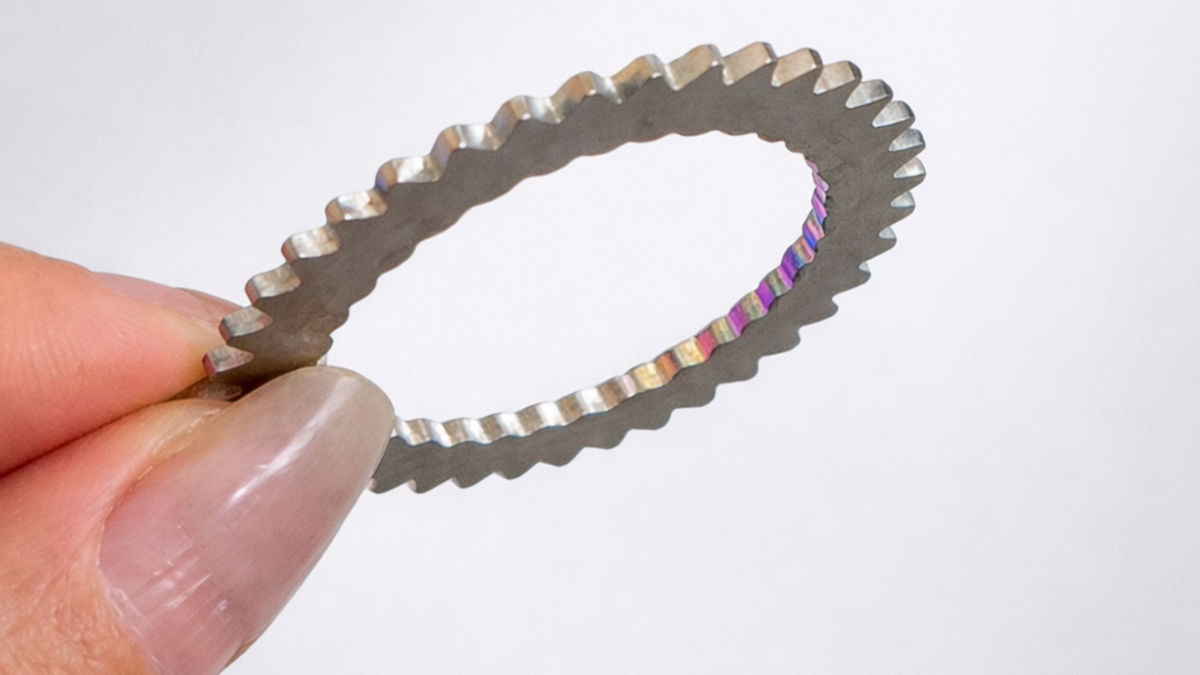
Precision machined medical components play an important role in surgical instruments, diagnostic equipment, and medical device assemblies. These parts require tight tolerances, consistent quality, and reliable performance.
For medical device manufacturers, precision CNC machining offers a flexible solution for producing complex metal and plastic components, from prototypes to production.
Applications of Precision Medical Components
Medical devices often contain small, complex mechanical parts that must function accurately under demanding conditions.
Common applications include:
-
Surgical instruments: Shafts, connectors, handles, and precision mechanisms.
-
Diagnostic equipment: Sensor housings, mounting brackets, and alignment components.
-
Medical robotics: Precision joints, gears, and motion-control components.
-
Minimally invasive devices: Miniature fittings, sleeves, and instrument components.
Each application has different requirements for dimensional accuracy, surface finish, and material performance.

Materials for Medical CNC Machining
Material selection affects corrosion resistance, mechanical strength, machinability, and manufacturing cost.
| Material | Key Properties | Typical Applications |
|---|---|---|
| Stainless Steel 316L | Corrosion resistance, durability | Surgical tools, precision fittings |
| Titanium Ti-6Al-4V | High strength-to-weight ratio | Orthopedic and instrument components |
| Aluminum 6061 | Lightweight, easy to machine | Medical equipment housings |
| PEEK | Chemical resistance, dimensional stability | Insulators, precision plastic parts |
Material grades and suitability must be verified against the intended device application, including any patient-contact or sterilization requirements.
CNC Machining Tolerances and Surface Finish
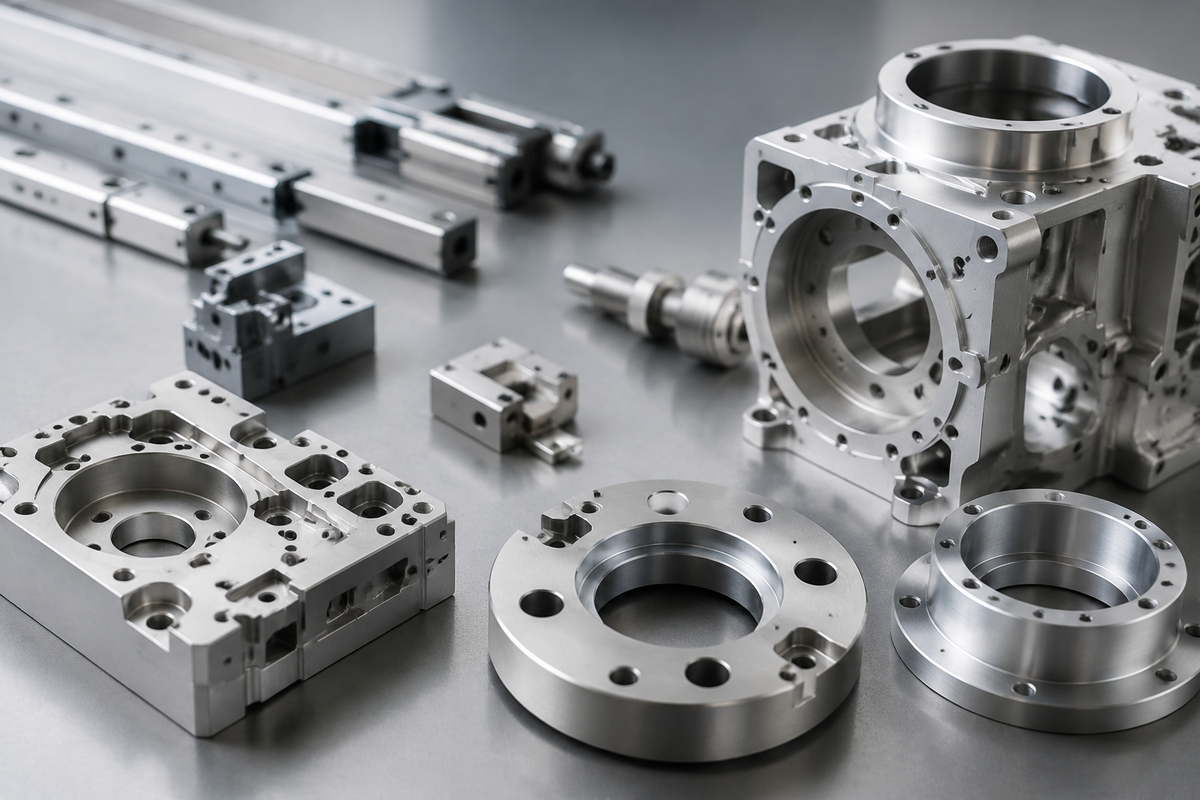
Precision medical parts frequently contain small holes, thin walls, complex profiles, and critical assembly features.
Advanced 3-axis and 5-axis CNC milling, CNC turning, and precision finishing can produce these geometries with high repeatability.
For suitable designs, machining tolerances can reach ±0.005 mm or tighter. Specialized features may require even closer control, depending on geometry, material, and measurement capability.
Surface finishes such as Ra ≤ 0.8 μm can help meet specified functional requirements, including smooth contact surfaces and precise mechanical interfaces.
However, specifying unnecessarily tight tolerances on non-critical features increases machining and inspection costs. A practical design should prioritize functional dimensions.

Quality Control for Medical Machined Parts
Dimensional accuracy alone does not guarantee consistent medical component quality.
A reliable manufacturing process should include material identification, controlled machining procedures, inspection records, and traceability where required.
Typical inspection methods include coordinate measuring machines (CMM), optical measurement, and first article inspection (FAI).
ISO 13485 provides a medical-device-specific quality management framework supporting documented processes, risk management, and production control.
For medical OEMs, these controls are particularly valuable when transferring a validated prototype into repeat production.
Choosing a Medical Components Manufacturer
Before selecting a precision medical machining supplier, manufacturers should evaluate both technical capabilities and quality management.
Important considerations include:
-
CNC machining capabilities for critical dimensions and complex geometries.
-
Experience with stainless steel, titanium, and engineering plastics.
-
DFM support to identify machining risks before production.
-
CMM inspection, FAI reports, and traceability documentation.
-
Consistent quality from prototype through production.
Precision Medical CNC Machining at XY-GLOBAL
XY-GLOBAL provides custom precision machined medical components supported by ISO 9001 and ISO 13485 certified quality management systems.
Our capabilities include 3-axis and 5-axis CNC machining, precision turning, complex component manufacturing, DFM review, and dimensional inspection.
For selected critical features, we can evaluate tolerances down to ±0.001 mm, depending on the part design, material, and inspection requirements.
From initial prototyping to production, we help medical device manufacturers improve manufacturability while maintaining consistent quality.
Explore our Medical CNC Machining Services or visit XY-GLOBAL to discuss your custom components.
Frequently Asked Questions
Can precision medical components be manufactured in small quantities?
Yes. CNC machining supports prototypes, low-volume production, and repeat manufacturing without requiring expensive production molds.
What files are needed for a medical CNC machining quotation?
STEP-format 3D models and PDF engineering drawings are preferred. Drawings should define critical tolerances, materials, surface finishes, and inspection requirements.
Are CNC-machined medical components supplied sterile?
Not necessarily. Cleaning, sterile packaging, and sterilization are separate requirements that must be specified and validated according to the intended application.
How can manufacturers reduce medical component machining costs?
Optimizing non-critical tolerances, simplifying setups, and reviewing manufacturability before production can reduce machining time and inspection costs without compromising critical features.

Aktie:
Fertigung von Metallteilen: Prozesse, Materialien & Kosten