


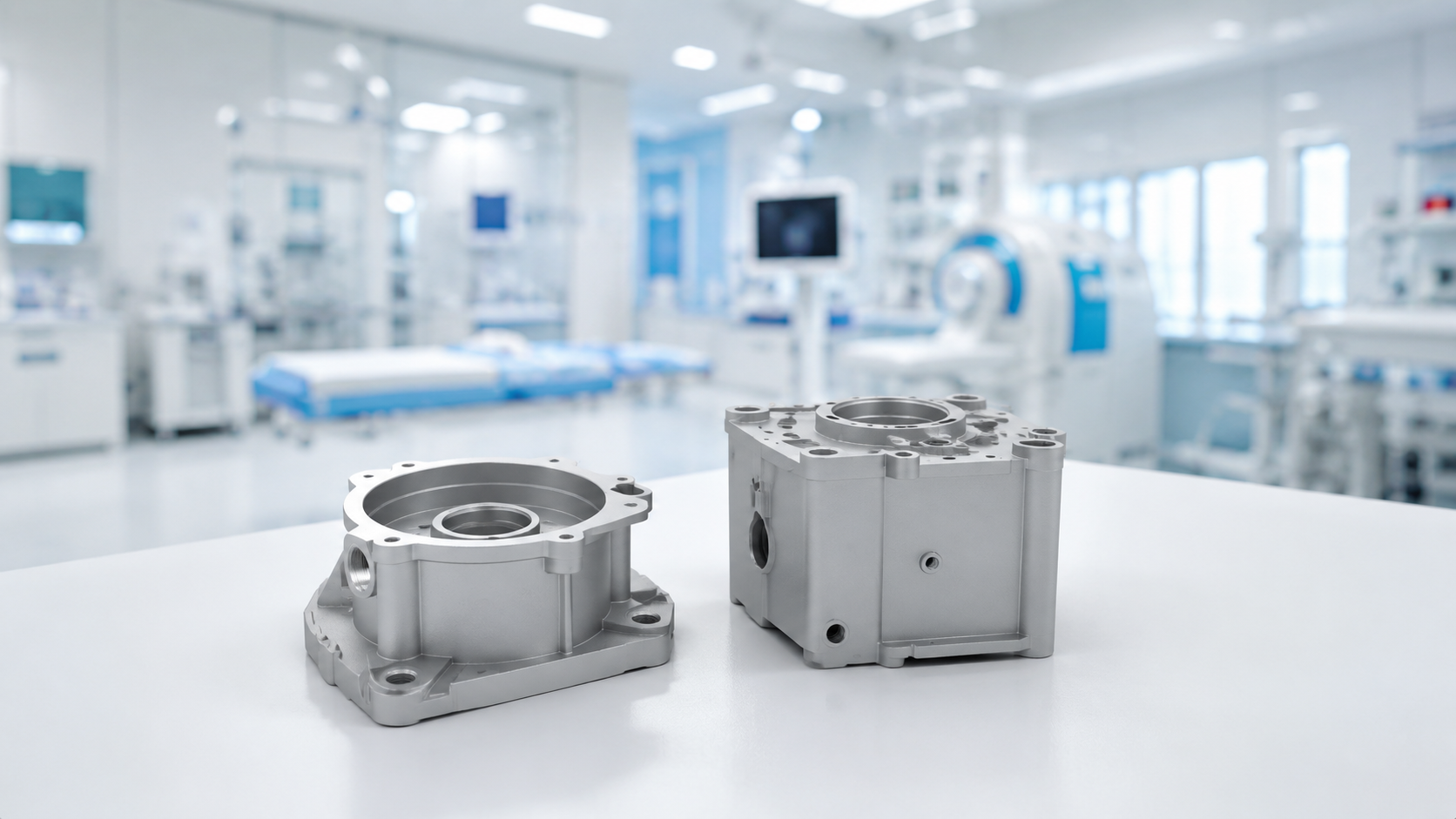
In Bereichen wie medizinischen Geräten, wo Präzision, Haltbarkeit und Zuverlässigkeit entscheidend sind, hat jedes einzelne Teil eine wichtige Funktion. In vielen Fällen müssen sie leicht, hochwertig und für den Langzeitgebrauch geeignet sein. Medizinischer Druckguss ist eine der gängigen Methoden zur Herstellung von Metallkomponenten für medizinische Geräte. Er ist besonders nützlich für Aluminium- und Zinkteile mit komplexen Formen. Er kann auch dazu beitragen, die Bearbeitungszeit zu verkürzen und die Produktionseffizienz zu verbessern.
Mit dem richtigen Material, Formdesign, Bearbeitungsprozess, Oberflächenfinish und der richtigen Qualitätskontrolle können Druckgussteile in vielen Arten von medizinischen Geräten eingesetzt werden. XY-GLOBAL hat mit über 15 Jahren Erfahrung den medizinischen Druckguss zu einer unserer Spezialitäten gemacht.
Lesen Sie diesen Artikel und erfahren Sie, wie XY-GLOBAL maßgeschneiderte Lösungen anbietet, die auf die spezifischen Bedürfnisse unserer Kunden zugeschnitten sind, um leistungsstarke Druckgussteile zu liefern, die für die Funktionalität und Sicherheit medizinischer Geräte entscheidend sind.

Was ist medizinischer Druckguss?
Medizinischer Druckguss ist ein Herstellungsverfahren zur Produktion von Metallteilen für medizinische Geräte.
Bei diesem Verfahren wird geschmolzenes Metall unter hohem Druck in eine Stahlform injiziert. Das Metall füllt den Formhohlraum aus und kühlt in die gewünschte Form ab. Nachdem das Teil aus der Form entnommen wurde, kann es einer Entgratung, CNC-Bearbeitung, Oberflächenveredelung, Inspektion und Montage unterzogen werden.
Druckguss wird häufig für mittlere bis hohe Produktionsvolumen eingesetzt. Er eignet sich für Teile mit komplexen Formen, dünnen Wänden, guten Festigkeitsanforderungen, stabilen Abmessungen, wiederholbarer Qualität und niedrigeren Stückkosten in der Massenproduktion.
Für medizinische Geräte wird Druckguss häufig für Gehäuse, Halterungen, Abdeckungen, Rahmen, Griffe, wärmeableitende Teile und andere nicht-implantierbare Komponenten verwendet.

Gängige Anwendungen des medizinischen Druckgusses
Medizinischer Druckguss wird für viele Arten von Komponenten medizinischer Geräte verwendet.
Er wird häufig für externe, strukturelle und funktionale Teile eingesetzt. Diese Teile benötigen möglicherweise eine gute Festigkeit, stabile Abmessungen, saubere Oberflächen und wiederholbare Qualität.
Gehäuse und Abdeckungen für medizinische Geräte
Druckgussgehäuse und -abdeckungen werden zum Schutz interner Teile und zur Unterstützung der Produktstruktur verwendet.
Sie können in medizinischen Monitoren, Diagnosegeräten, Pumpen, Steuerungseinheiten, Sauerstoffgeräten und tragbaren medizinischen Geräten eingesetzt werden. Diese Teile benötigen oft ein sauberes Aussehen, stabile Abmessungen und eine zuverlässige Montageleistung.
Häufige Beispiele sind:
-
Gehäuse für medizinische Geräte
-
Abdeckungen für Diagnosegeräte
-
Pumpengehäuse
-
Abdeckungen von Steuerungseinheiten
-
Gehäuse für Sauerstoffgeräte
-
Gehäuse für tragbare medizinische Geräte
Einige Bereiche können nach dem Guss noch eine CNC-Bearbeitung erfordern. Dazu gehören Befestigungslöcher, Gewindelöcher, Dichtflächen und Montageschnittstellen.
Konstruktive Halterungen und Stützteile
Viele medizinische Geräte benötigen starke Strukturteile. Druckguss-Halterungen und Stützkomponenten können helfen, verschiedene Teile zusammenzuhalten. Sie können auch wiederholte Belastungen, Bewegungen oder Montagespannungen während des Gebrauchs aushalten.
Häufige Beispiele sind:
-
Befestigungskonsolen
-
Stützrahmen
-
Bettgeländerhalterungen
-
Halterungen für Rehabilitationsgeräte
-
Rollstuhlkomponenten
-
Teile für Hebevorrichtungen
-
Griffteile
Bei diesen Teilen sollten Wandstärke, Rippendesign, Materialfestigkeit und Inspektionsanforderungen sorgfältig geprüft werden.
Medizinische Elektronikgehäuse und wärmeableitende Teile
Medizinische elektronische Geräte benötigen Gehäuse, die interne Schaltkreise schützen und einen stabilen Betrieb gewährleisten.
Druckgussgehäuse können zum Schutz von Elektronikplatinen, Sensoren, Leistungsmodulen und Steuerungssystemen beitragen. Einige Teile müssen möglicherweise auch die Wärmeableitung oder elektromagnetische Abschirmung unterstützen.
Häufige Beispiele sind:
-
Gehäuse von Steuerboxen
-
Sensorgehäuse
-
Netzteilegehäuse
-
Wärmeableitende Abdeckungen
-
EMI-Abschirmungsteile
-
Gehäuse für elektronische Module
Wenn Wärmeableitung und Gewichtsreduzierung wichtig sind, werden oft Aluminiumlegierungen in Betracht gezogen. Das endgültige Material sollte auf der Grundlage der Teilegröße, Funktion, Oberflächenbeschaffenheit und des Produktionsvolumens ausgewählt werden.
Komponenten für Atem- und Sauerstoffgeräte
Atem- und Sauerstoffgeräte verwenden häufig Metallkomponenten, die stark, stabil und einfach zu montieren sein müssen.
Medizinischer Druckguss kann für Gehäuse, Abdeckungen, Halterungen und strömungsbezogene Strukturteile in Sauerstoff- und Atemsystemen verwendet werden.
Häufige Beispiele sind:
-
Gehäuse von Sauerstoffgeneratoren
-
Pumpengehäuse
-
Teile von Luftstromgehäusen
-
Halterungen für Beatmungsgeräte
-
Ventilgehäuse-bezogene Komponenten
-
Strukturabdeckungen
Bei diesen Teilen sind Oberflächenqualität, Maßhaltigkeit und zuverlässige Montage wichtig.
Komponenten für Labor- und Diagnosegeräte
Labor- und Diagnosegeräte erfordern oft stabile und präzise Metallkomponenten.
Druckguss kann für Geräterahmen, Abdeckungen, Basisteile, Stützteile und Montagestrukturen verwendet werden. Diese Teile tragen dazu bei, die Instrumente während des Betriebs und der Montage stabil zu halten.
Häufige Beispiele sind:
-
Analysatorgehäuse
-
Instrumentenrahmen
-
Stützen für optische Geräte
-
Montageplatten
-
Basisteile
-
Präzisionsabdeckungen
Bei diesen Teilen können wichtige Oberflächen und Montagebereiche nach dem Guss eine CNC-Bearbeitung erfordern.
Materialien, die für den medizinischen Druckguss verwendet werden
Die gängigsten Materialien für den medizinischen Druckguss sind Aluminiumlegierungen und Zinklegierungen. Magnesiumlegierungen können auch in einigen Leichtbauanwendungen verwendet werden, erfordern aber einen sorgfältigen Oberflächenschutz.
Aluminium-Druckguss
Aluminium ist eine der gängigsten Optionen für den medizinischen Druckguss. Es ist leicht, stark und für mittlere und große Metallkomponenten geeignet. Es hat auch eine gute Wärmeleitfähigkeit, was nützlich ist, wenn das Teil Wärme abführen muss.
Aluminium wird oft in Betracht gezogen, wenn das Teil Folgendes benötigt:
-
Geringeres Gewicht
-
Gute Strukturfestigkeit
-
Gute Wärmeableitung
-
Mittlere oder große Größe
-
Kostengünstige Produktion bei höheren Stückzahlen
Gängige Aluminium-Druckgusslegierungen sind A380, A360, ADC12 und ADC10.
Zink-Druckguss
Zink-Druckguss wird oft für kleinere und detailliertere Teile ausgewählt.
Zinklegierungen können eine gute Maßhaltigkeit, feine Details und eine glatte Oberflächenqualität bieten. Zink ist schwerer als Aluminium, daher ist es normalerweise nicht die erste Wahl für große Leichtbaukomponenten.
Zink wird oft in Betracht gezogen, wenn das Teil Folgendes benötigt:
-
Feine Details
-
Gute Oberflächengüte
-
Kleine Größe
-
Hohe Dimensionsstabilität
-
Starke Dünnwandmerkmale
-
Beschichtung oder dekorative Oberflächenveredelung
Magnesium-Druckguss
Magnesium-Druckguss kann für spezielle Leichtbauprojekte eingesetzt werden.
Magnesium ist leichter als Aluminium, erfordert jedoch eine sorgfältige Prozesskontrolle und Oberflächenschutz. Es wird in der Regel nur dann ausgewählt, wenn Gewichtsreduzierung sehr wichtig ist.
Magnesium wird oft in Betracht gezogen, wenn das Teil Folgendes benötigt:
-
Sehr geringes Gewicht
-
Gutes Verhältnis von Festigkeit zu Gewicht
-
Dünnwandiges Design
-
Einsatz in tragbaren Geräten
-
Spezielle Leichtbaustruktur
Für die meisten medizinischen Druckgussprojekte werden Aluminium und Zink zuerst in Betracht gezogen.
Einfach ausgedrückt: Für große Gehäuse und Strukturteile wird oft Aluminium bevorzugt.
Für kleine Präzisionskomponenten mit feinen Details ist Zink möglicherweise die bessere Option.
Für spezielle Leichtbauteile kann Magnesium in Betracht gezogen werden, wenn die Gewichtsreduzierung oberste Priorität hat.
Für kleine Präzisionskomponenten mit feinen Details ist Zink möglicherweise die bessere Option.
Für spezielle Leichtbauteile kann Magnesium in Betracht gezogen werden, wenn die Gewichtsreduzierung oberste Priorität hat.
Designüberlegungen für medizinische Druckgussteile
Gute Druckgussteile beginnen mit einem geeigneten Design. Die Wandstärke sollte so gleichmäßig wie möglich sein, um Schrumpfung, Porosität und Verformung zu reduzieren. Entformungsschrägen sind ebenfalls wichtig, da sie das reibungslose Entnehmen des Teils aus der Form unterstützen. Rippen, Ansätze, Befestigungspunkte und andere strukturelle Merkmale sollten sorgfältig konstruiert werden, um die Festigkeit zu verbessern, ohne übermäßig dicke Bereiche zu erzeugen.
Bei medizinischen Gerätekomponenten sollten nur kritische Abmessungen enge Toleranzen aufweisen. Befestigungslöcher, Gewindebohrungen, Dichtflächen, Lagersitze und Montageflächen müssen möglicherweise nach dem Guss CNC-bearbeitet werden. Die Anforderungen an die Oberflächengüte sollten ebenfalls frühzeitig bestätigt werden, da Beschichten, Lackieren, Polieren oder andere Behandlungen die Abmessungen und das Aussehen beeinflussen können. Wenn das Teil Dichtungs-, Druck- oder Festigkeitsanforderungen hat, sollte die Porositätskontrolle während der Werkzeugkonstruktion und der Inspektionsplanung überprüft werden.
Wie XY-GLOBAL medizinische Druckgussprojekte unterstützt
Als ISO 13485 und ISO 9001 zertifizierter Hersteller, der globale Kunden bedient, ist XY-GLOBAL auf kundenspezifische Druckgussdienstleistungen für medizinische Geräte und Komponenten spezialisiert. Mit über einem Jahrzehnt Fertigungserfahrung unterstützen wir jedes Projekt mit strengen Qualitätskontrollprozessen von schnellen Prototypen bis zur Serienproduktion, um die dimensionalen, funktionalen und Oberflächenanforderungen medizinischer Anwendungen zu erfüllen.
Unsere Unterstützung beginnt mit der Designprüfung und Materialauswahl. Vor der Produktion kann unser Ingenieurteam die Teilestruktur, Wandstärke, Toleranzanforderungen, Oberflächengüte und das Produktionsvolumen überprüfen. Dies hilft uns zu bestätigen, ob der Druckguss geeignet ist und ob eine sekundäre CNC-Bearbeitung für kritische Löcher, Gewindebereiche, Dichtflächen, Lagersitze oder Montageschnittstellen erforderlich ist.
XY-GLOBAL kann auch die Oberflächenbearbeitung nach dem Druckguss unterstützen, einschließlich Pulverbeschichtung, Lackierung, E-Coating, Sandstrahlen, Polieren und Plattieren für geeignete Materialien, um das Aussehen, die Korrosionsbeständigkeit, die Verschleißfestigkeit und die Produktkonsistenz zu verbessern.
Für Projekte im Bereich medizinischer Geräte ist die Qualitätskontrolle besonders wichtig. Wir können bei Bedarf Dimensionsinspektionen, KMG-Inspektionen und andere Prüfungen anbieten.
Benötigen Sie eine kundenspezifische Druckgusskomponente für medizinische Geräte? Senden Sie uns Ihre 3D-Dateien, 2D-Zeichnungen, Materialanforderungen und Bestellmenge.
Wenn das Material nicht bestätigt ist, können wir Ihnen helfen, eine geeignete Option basierend auf der Teilefunktion, Größe, Festigkeitsanforderung, Oberflächengüte und dem Produktionsvolumen zu empfehlen.
Wenn sich das Design noch in der Anfangsphase befindet, können wir auch DFM-Vorschläge vor der Werkzeugentwicklung unterbreiten.
Häufig gestellte Fragen zum medizinischen Druckguss
Können druckgegossene medizinische Teile nach dem Guss CNC-bearbeitet werden?
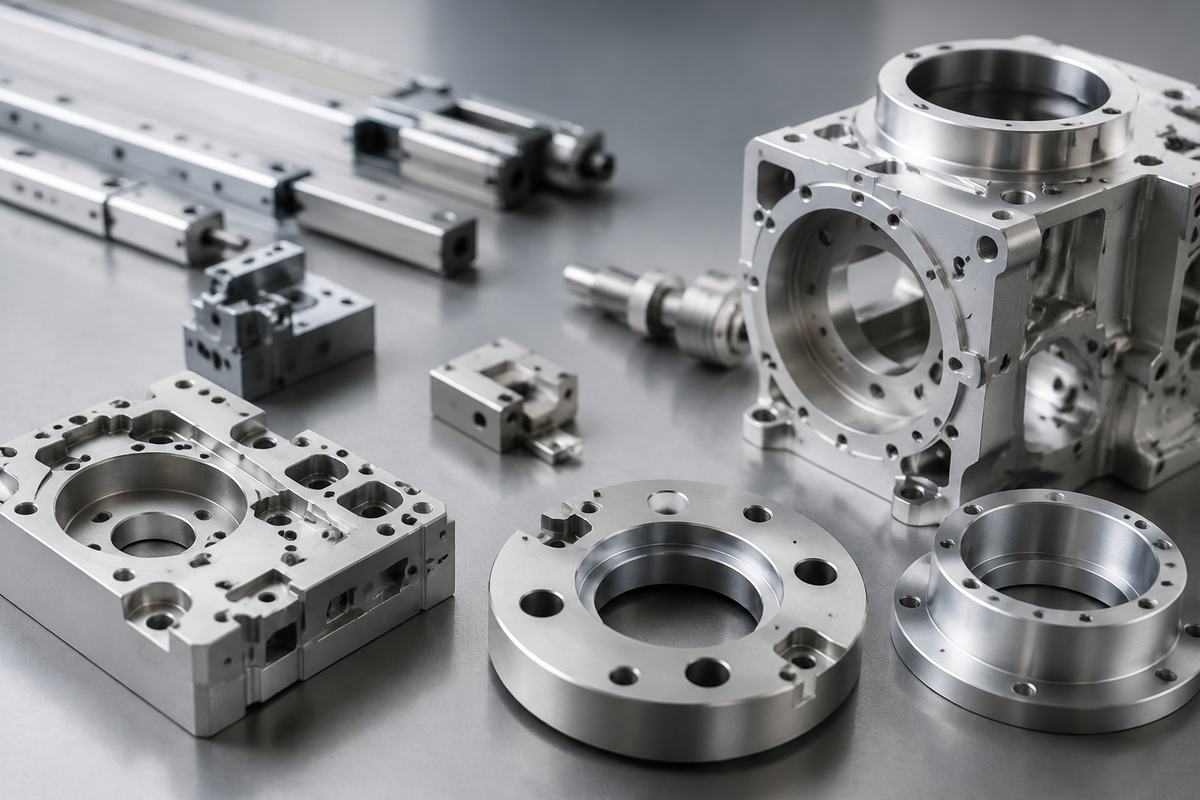
Ja. Viele druckgegossene medizinische Gerätekomponenten müssen nach dem Guss CNC-bearbeitet werden. Die CNC-Bearbeitung wird häufig für Löcher mit engen Toleranzen, Gewindebohrungen, flache Dichtflächen, Lagersitze und Montageschnittstellen verwendet.
Welche Dateien werden für ein Angebot für ein kundenspezifisches medizinisches Druckgussteil benötigt?
Eine 3D-Datei und eine 2D-Zeichnung sind am nützlichsten. STEP-, STP-, X_T- und IGS-Dateien werden häufig verwendet. Die Zeichnung sollte Material, Toleranz, Oberflächengüte, Menge, kritische Abmessungen und Inspektionsanforderungen enthalten.
Ist Druckguss für Prototypen medizinischer Geräte mit geringem Volumen geeignet?
Für Prototypen mit sehr geringem Volumen kann die CNC-Bearbeitung besser sein, da keine Werkzeugkosten anfallen. Druckguss ist besser geeignet, wenn das Design stabil ist und die Menge hoch genug ist, um die Werkzeugentwicklung zu rechtfertigen.
Kann XY-GLOBAL sowohl beim Druckguss als auch bei der CNC-Bearbeitung helfen?
Ja. XY-GLOBAL kann Druckguss, CNC-Nachbearbeitung, Oberflächenbearbeitung, Inspektion und Montage unterstützen. Dies ist nützlich für medizinische Gerätekomponenten, die sowohl einen endkonturnahen Guss als auch präzisionsbearbeitete Merkmale benötigen.


Aktie:
Biegegelenke für präzise optische und mechanische Baugruppen
Präzisions-CNC-Bearbeitung von Titan: Werkstoffe, Toleranzen und Bearbeitungsstrategien