


Knowledge

Precision Machining Parts Shops for High-Tolerance Custom Parts

Investment Casting for Medical Devices: Materials, Standards and Applications
Investment casting is one of the few processes capable of producing complex, biocompatible metal components in cobalt-chrome, 316L stainless steel, and titanium — materials that die casting cannot handle at all. This article covers the biocompatible alloys used in medical investment casting, the ASTM and ISO standards that govern them, typical applications from orthopedic implants to surgical instruments, and the post-casting and traceability requirements specific to medical work.
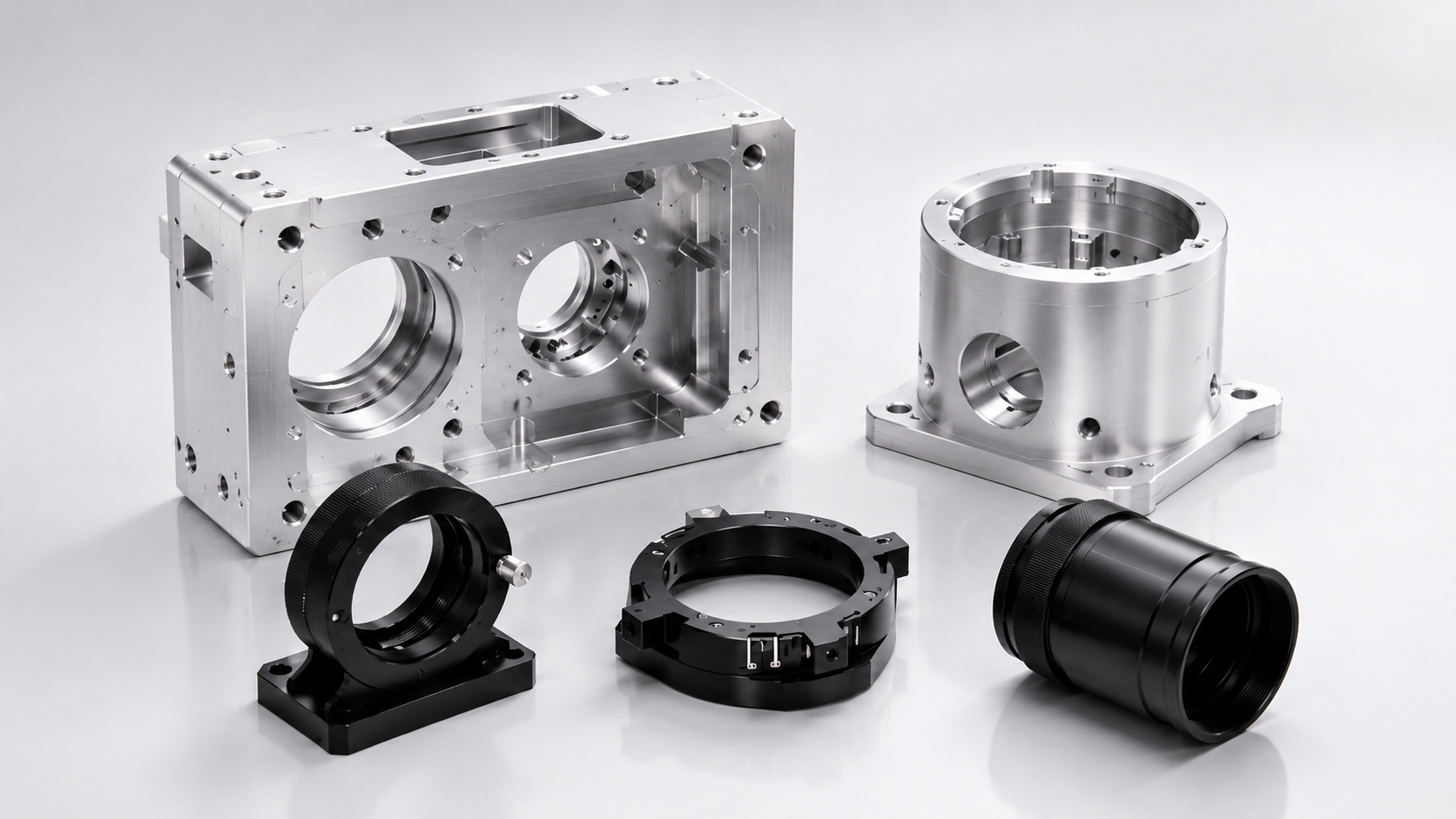
Precision Titanium CNC Milling Services for Complex Parts
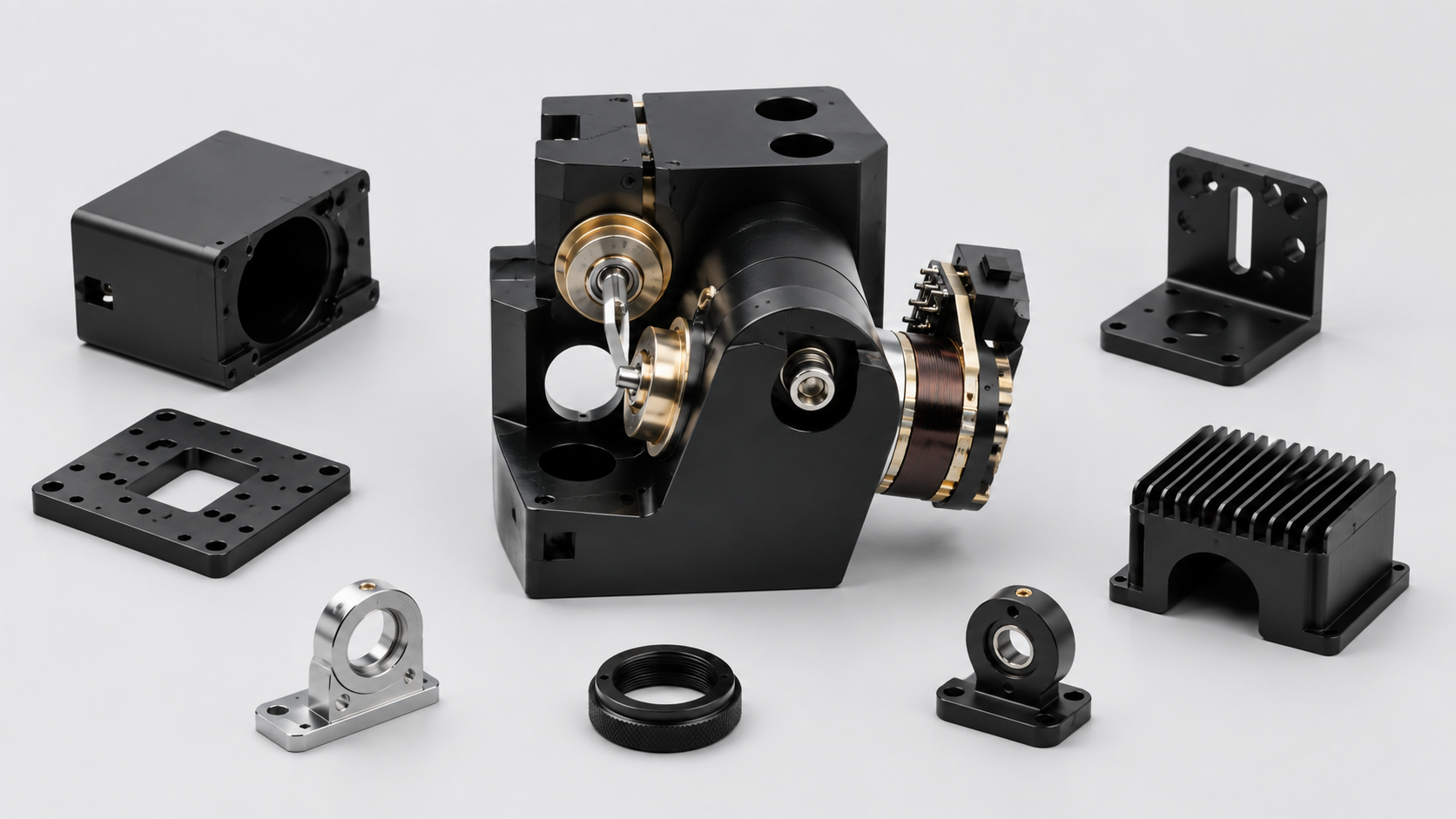
Precision Parts for Galvanometer Optical Scanners
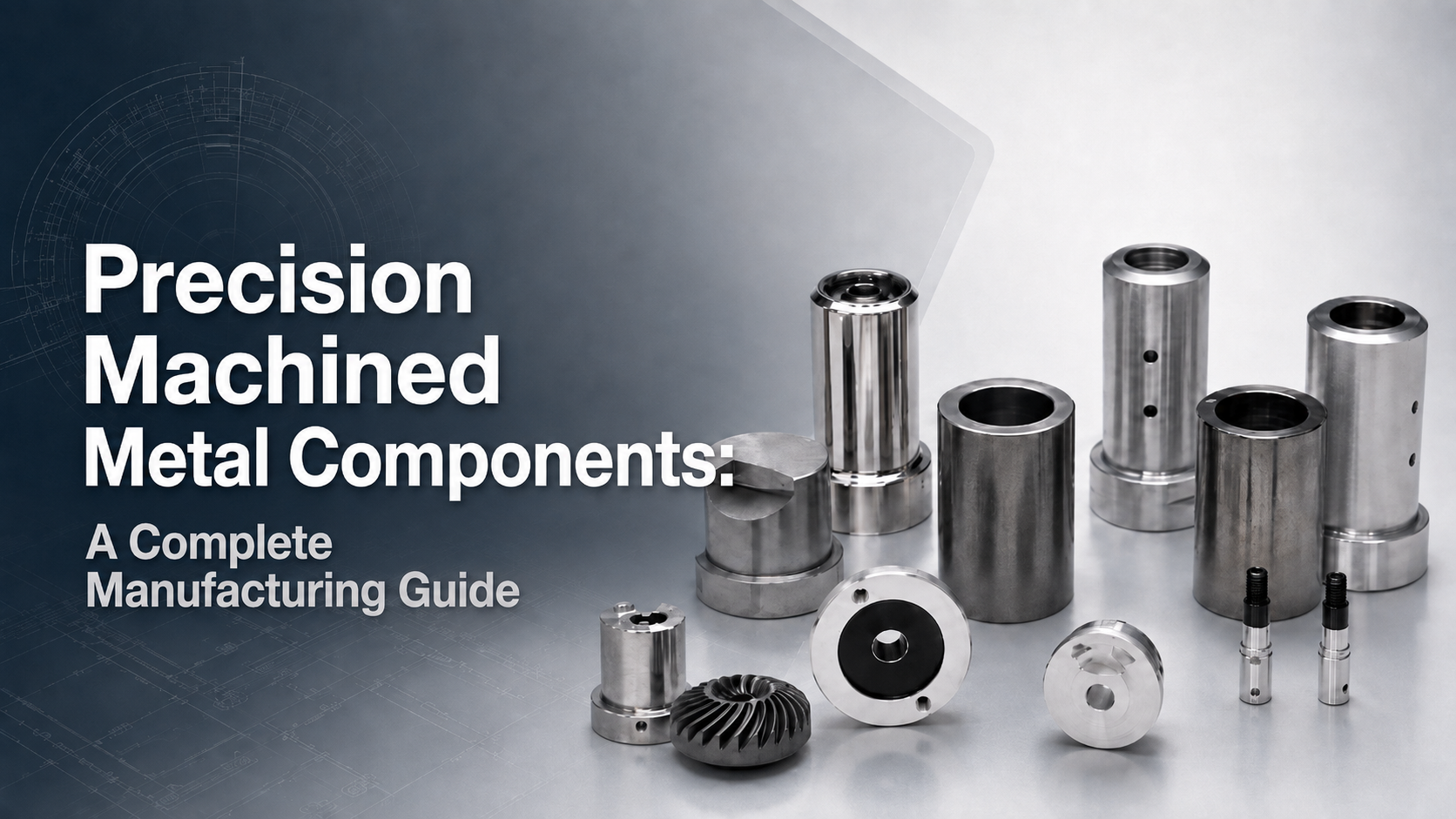
Precision Machined Metal Components: A Complete Manufacturing Guide
Precision machined metal components cover a wide range of parts, materials, and processes — from titanium medical instruments to aluminum optical housings to die cast enclosures. This guide provides a complete overview of how these components are manufactured: which processes suit which geometries, how material choice affects machinability and cost, what tolerance and surface finish levels are realistically achievable, and how finished parts are verified before shipment.
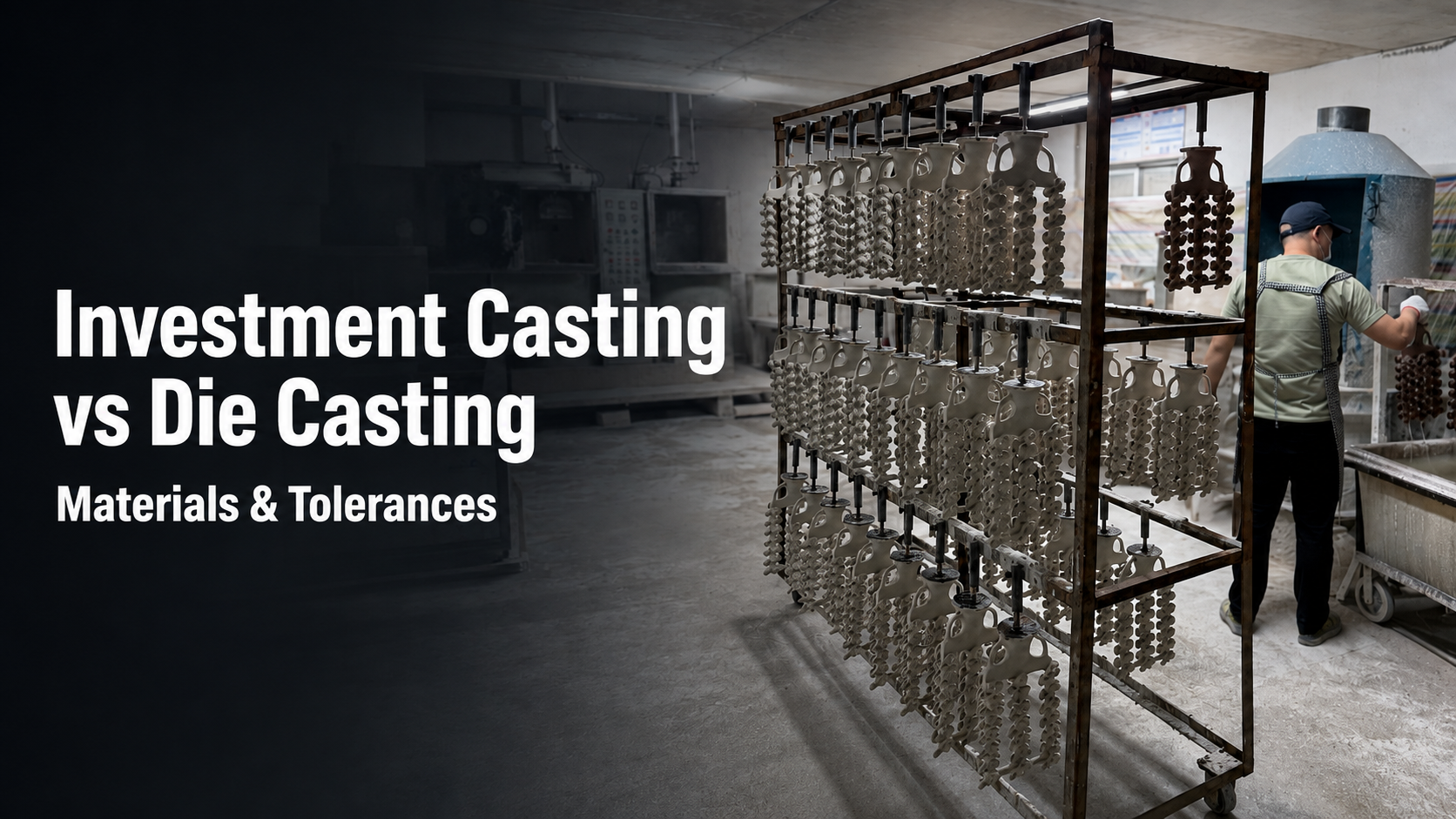
Investment Casting vs Die Casting: Materials, Tolerances and When to Use Each
Investment casting and die casting solve different manufacturing problems even though both produce net-shape metal parts. This article compares how each process works, what tolerances and surface finishes they achieve, which materials each supports, and how tooling cost and production volume should factor into choosing between them.
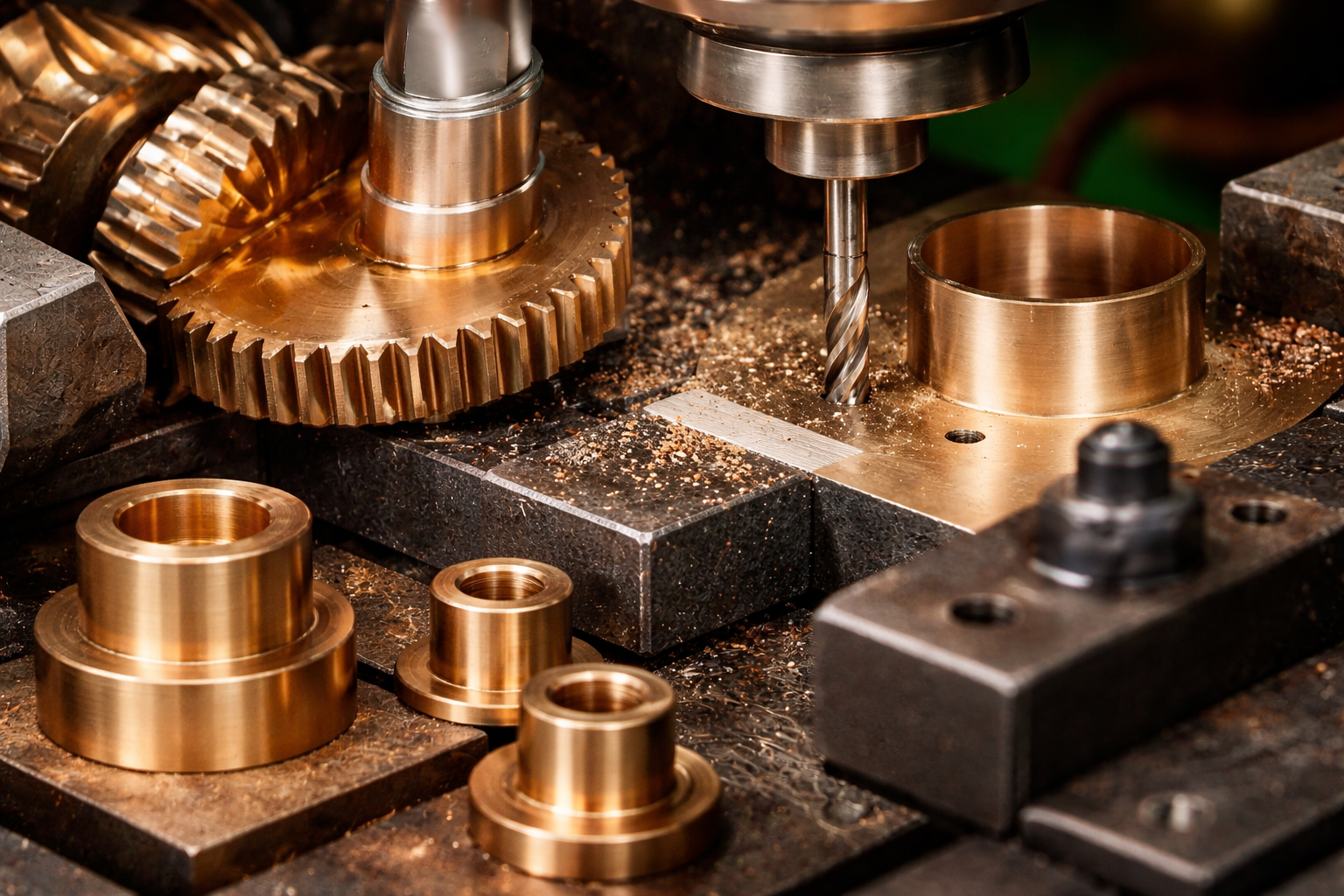
Custom Brass CNC Machining Services | Precision Brass Parts
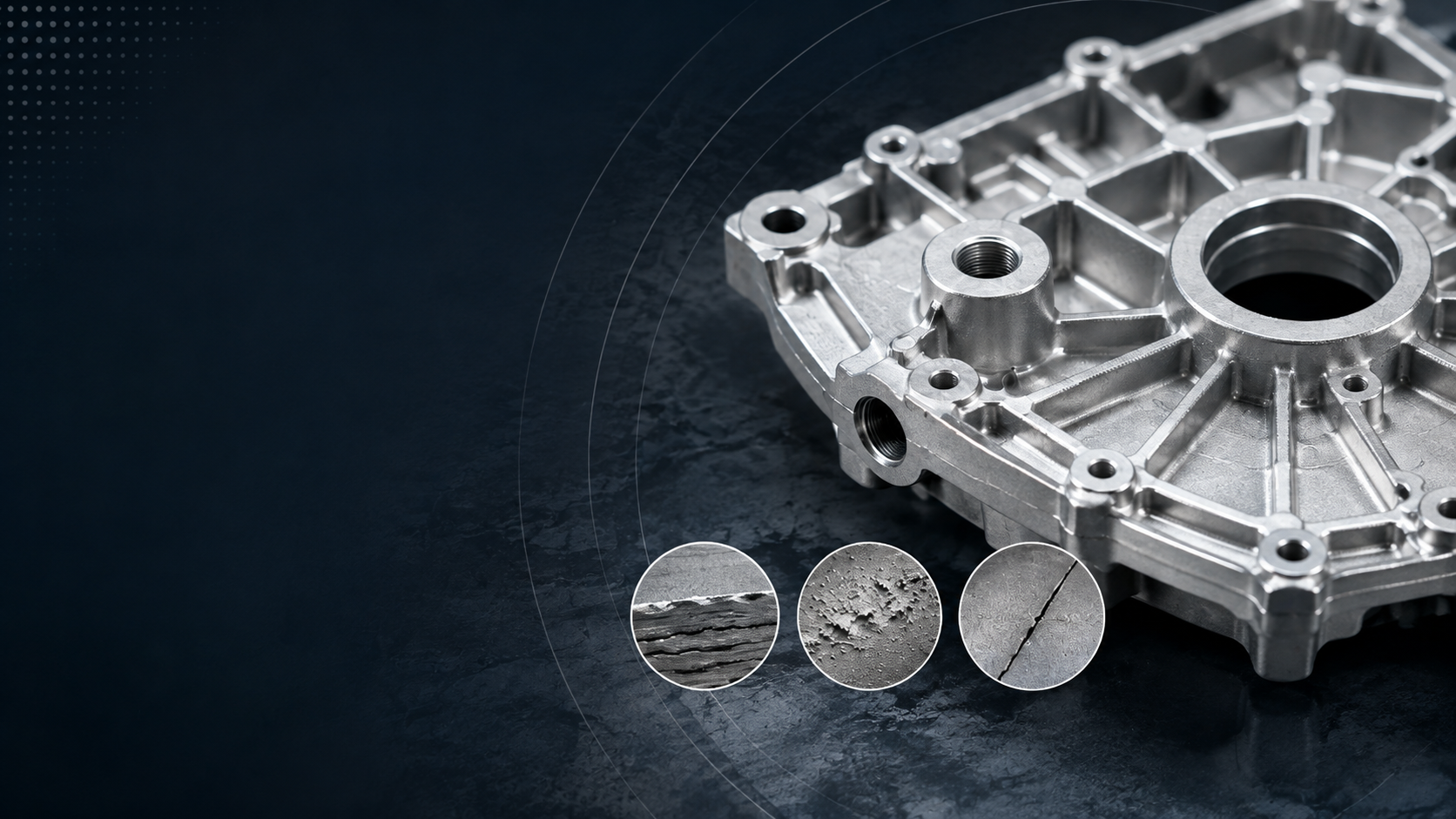
12 Common Al Die Cast Defects and Their Causes
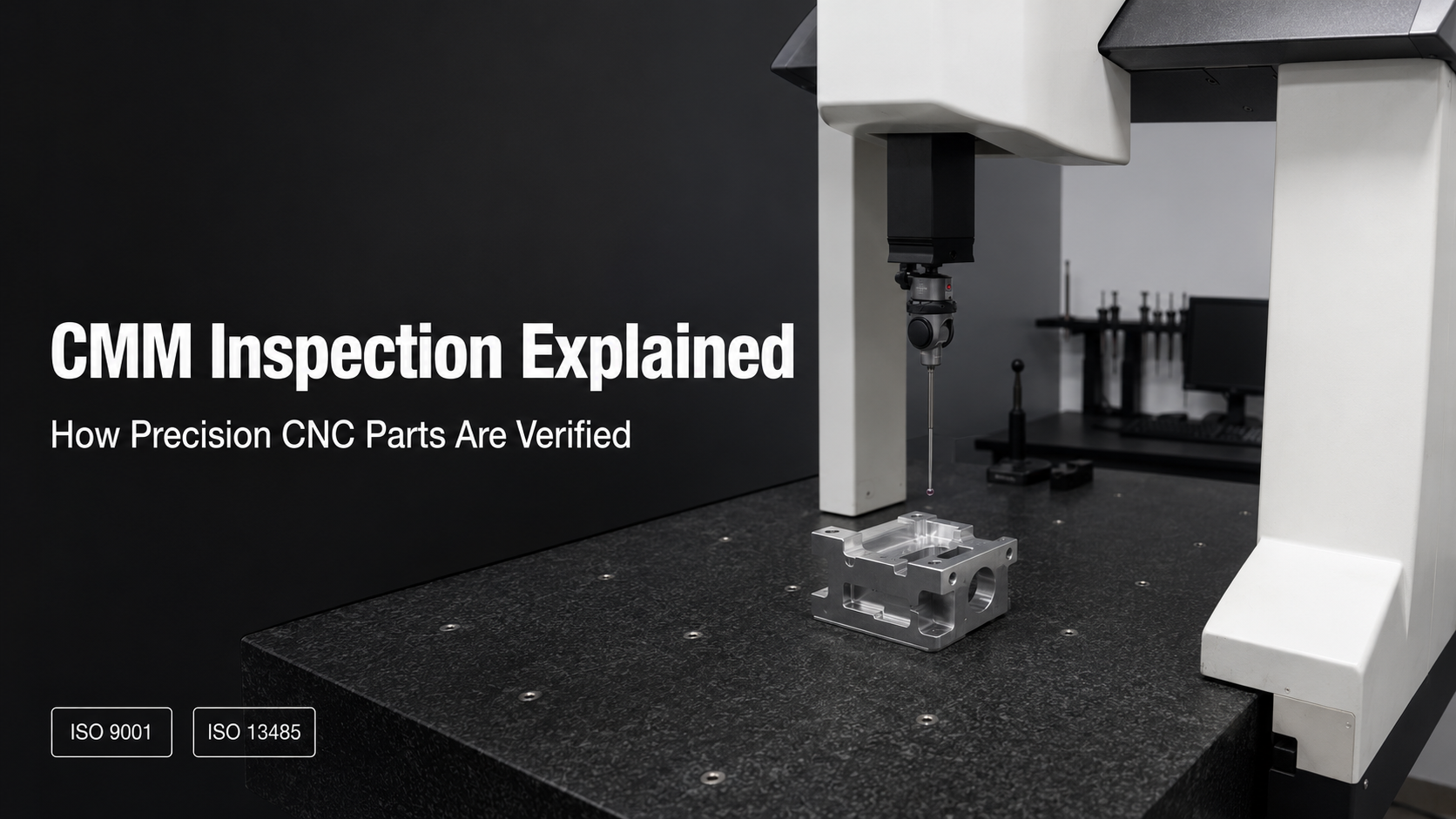
CMM Inspection Explained: How Precision CNC Parts Are Verified
A CMM (coordinate measuring machine) is how precision machined parts are actually verified against a drawing — not just checked with calipers, but measured in full 3D space against datums and GD&T requirements. This article explains how CMM probes work, why CMM and GD&T go together, what an inspection report actually shows, and when a part needs CMM inspection versus standard gauges.