


CNC Stainless Steel Machining: The Ultimate Guide to Precision Manufacturing
Introduction to CNC Stainless Steel Machining
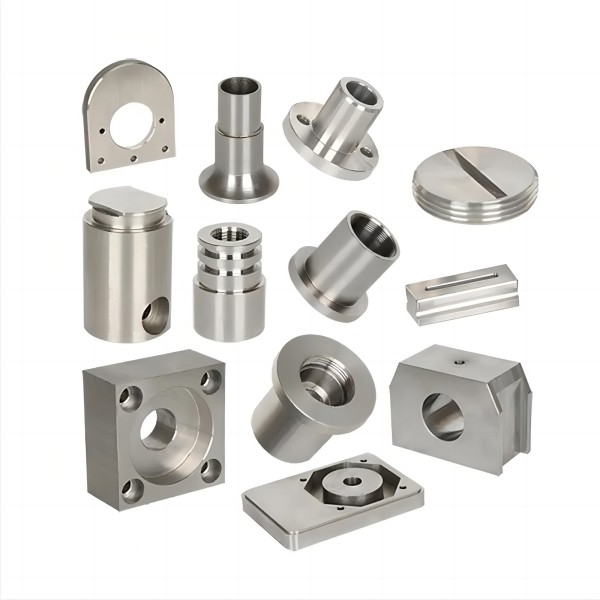
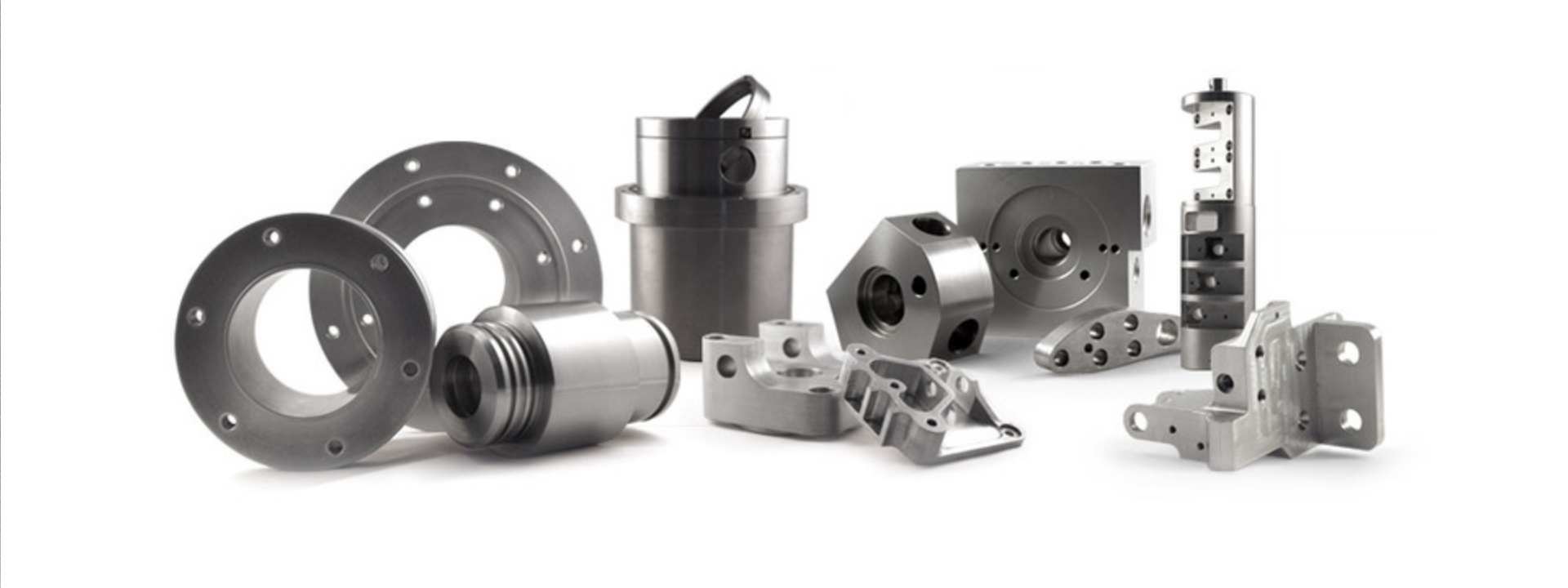
CNC stainless steel machining represents the pinnacle of precision manufacturing, combining advanced computer numerical control technology with the exceptional properties of stainless steel. This manufacturing process has revolutionized industries requiring high-precision, corrosion-resistant components with tight tolerances and excellent mechanical properties.
Advantages of CNC Stainless Steel Machining
| Advantage | Description | Application Impact |
|---|---|---|
| High Precision | CNC machines achieve tolerances within ±0.001 mm | Essential for medical devices and aerospace components |
| Excellent Surface Finish | Capable of achieving surface roughness down to Ra 0.4 μm | Reduces need for secondary finishing operations |
| Superior Strength | Maintains structural integrity under high stress | Ideal for automotive and industrial applications |
| Corrosion Resistance | Exceptional resistance to rust and chemical degradation | Perfect for marine, chemical, and food processing industries |
| Temperature Resistance | Withstands extreme temperatures without deformation | Critical for aerospace and energy sector components |
| Hygienic Properties | Non-porous surface prevents bacterial growth | Vital for medical and food industry applications |
CNC Machining Processes for Stainless Steel
| Process | Capabilities | Best For | Typical Tolerance |
|---|---|---|---|
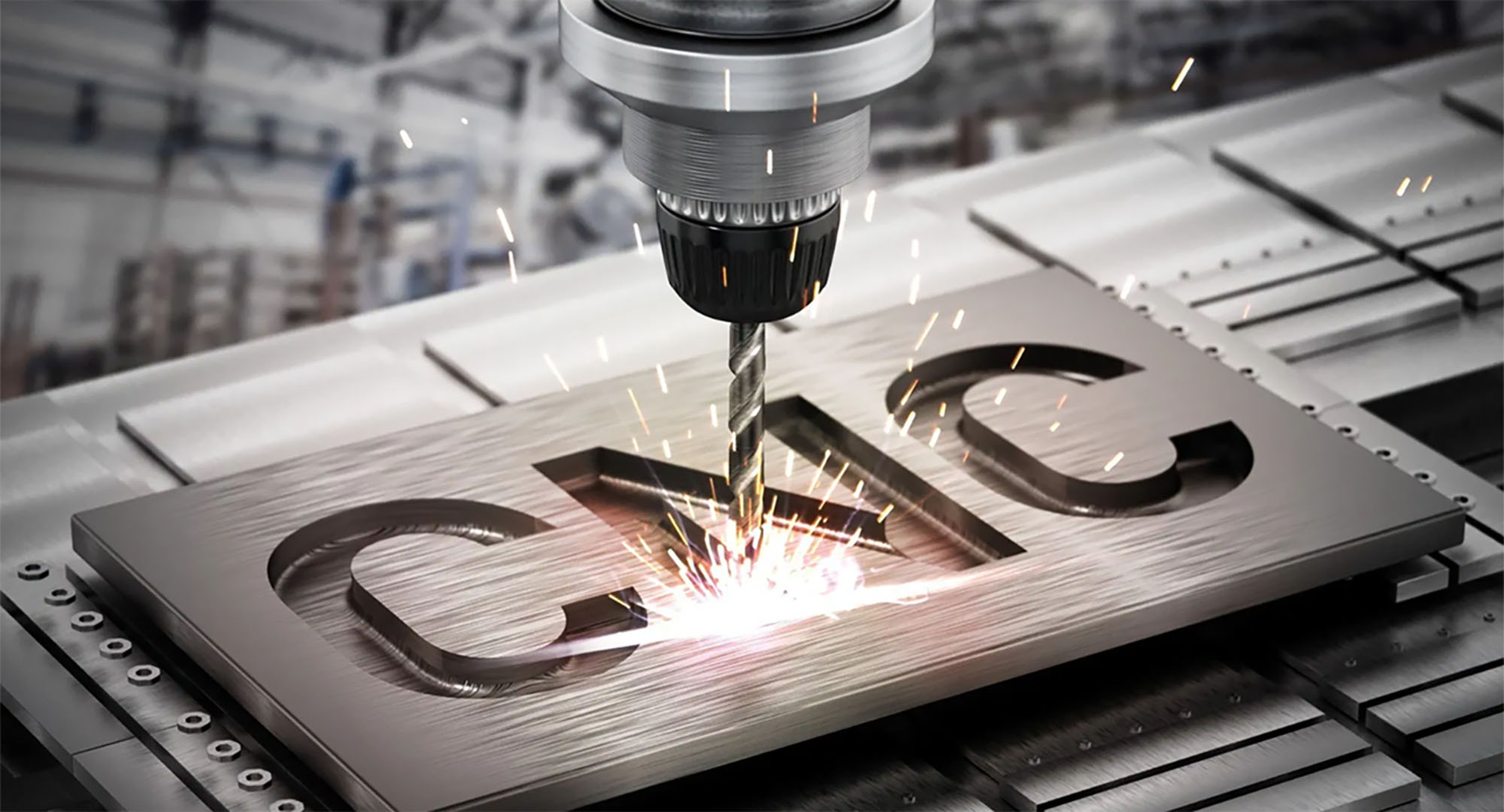
| CNC Milling | 3-5 axis machining of complex geometries | Prototypes, enclosures, structural components | ±0.025 mm |
| CNC Turning | Precision cylindrical parts | Shafts, valves, fittings, fasteners | ±0.012 mm |
| Swiss Machining | Ultra-precision small diameter parts | Medical instruments, electronic components | ±0.005 mm |
| Multi-Axis Machining | Complex contours and undercuts | Aerospace components, surgical tools | ±0.015 mm |
| Drilling & Tapping | Precision hole making | Fluid systems, assembly components | ±0.010 mm |
Material Selection Guide
| Grade | Properties | Machinability Rating | Common Applications |
|---|---|---|---|
| 304 Stainless | Excellent corrosion resistance, good formability | 60% | Food processing equipment, chemical containers |
| 316 Stainless | Superior corrosion resistance, marine grade | 50% | Marine hardware, medical implants, pharmaceutical |
| 303 Stainless | Improved machinability, good mechanical properties | 85% | Shafts, fittings, fasteners, nuts |
| 304L Stainless | Low carbon version of 304, better weldability | 60% | Welded components, high-temperature applications |
| 316L Stainless | Low carbon version of 316, excellent weldability | 45% | Chemical processing equipment, marine applications |
| 17-4 PH | Precipitation hardening, high strength | 75% | Aerospace components, nuclear applications |
| 420 Stainless | High hardness, wear resistance | 55% | Surgical instruments, cutting tools, valves |
| 440C Stainless | Highest hardness, excellent wear resistance | 40% | Bearings, valve parts, measuring instruments |
Applications Across Industries
Medical Industry: CNC machined stainless steel components are indispensable in surgical instruments, implantable devices, diagnostic equipment, and hospital hardware. The biocompatibility and sterilizability of stainless steel make it ideal for medical applications.
Aerospace Sector: From engine components to navigation systems, stainless steel provides the necessary strength-to-weight ratio and resistance to extreme temperatures and corrosive environments encountered in aerospace applications.
Automotive Industry: CNC machining produces precision fuel system components, exhaust systems, sensors, and engine parts that withstand high temperatures and corrosive conditions while maintaining dimensional stability.
Food and Beverage Processing: Stainless steel’s hygienic properties and resistance to corrosion from acidic foods make it perfect for processing equipment, storage tanks, and conveying systems.
Marine Applications: The exceptional corrosion resistance of stainless steel, particularly 316 grade, makes it suitable for marine hardware, underwater components, and offshore platform equipment.
Best Practices for CNC Stainless Steel Machining
-
Tool Selection: Use sharp, premium-grade carbide tools with appropriate coatings
-
Coolant Management: Implement high-pressure coolant systems to manage heat
-
Speed and Feed Optimization: Adjust parameters based on specific stainless steel grade
-
Workholding Solutions: Ensure secure clamping to prevent vibration and movement
-
Post-Machining Treatments: Passivation to enhance corrosion resistance
Conclusion
CNC stainless steel machining continues to be the gold standard for producing high-precision, durable components across critical industries. By understanding the material properties, selecting appropriate grades, and implementing best machining practices, manufacturers can achieve exceptional results that meet the most demanding specifications and quality requirements.
