


Investment Casting Services
One-stop custom investment casting solutions for complex metal components, from tooling development and precision casting to secondary machining and finishing. Help achieve reliable dimensions, consistent quality, and cost-efficient production from prototype through volume manufacturing. Upload Your Drawing for a Quote.
- 9,000 m² Manufacturing Facility
- ISO 9001 Certified
- Fast Lead Times
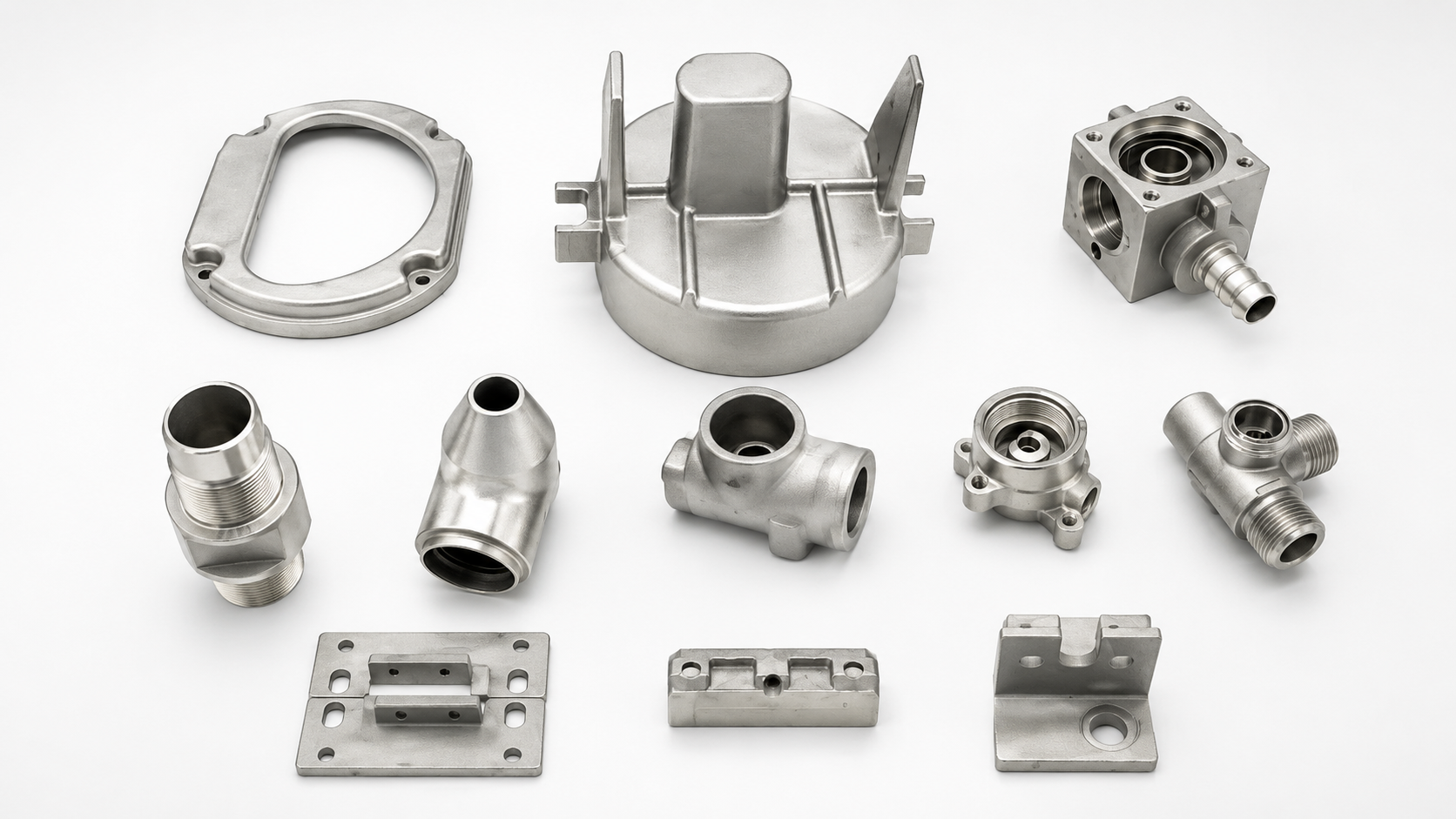
Investment Casting for Complex Metal Parts
Investment casting, also known as lost wax investment casting, is a precision metal casting process used to produce complex parts with fine details, smooth surfaces, and good dimensional accuracy. The investment casting process uses a wax pattern to create a ceramic mold, which is then filled with molten metal to form the final component.
Compared with many conventional casting methods, precision investment casting can produce near-net-shape parts with complex geometries, reducing the need for extensive CNC machining, welding, finishing, and assembly. This makes it well suited for custom metal components that require both design flexibility and consistent production quality.
Investment Casting Process
The investment casting process involves a series of controlled steps, from creating the wax pattern and ceramic shell to metal pouring, shell removal, and final finishing. Each stage affects the dimensional accuracy, surface quality, and consistency of the final cast part.
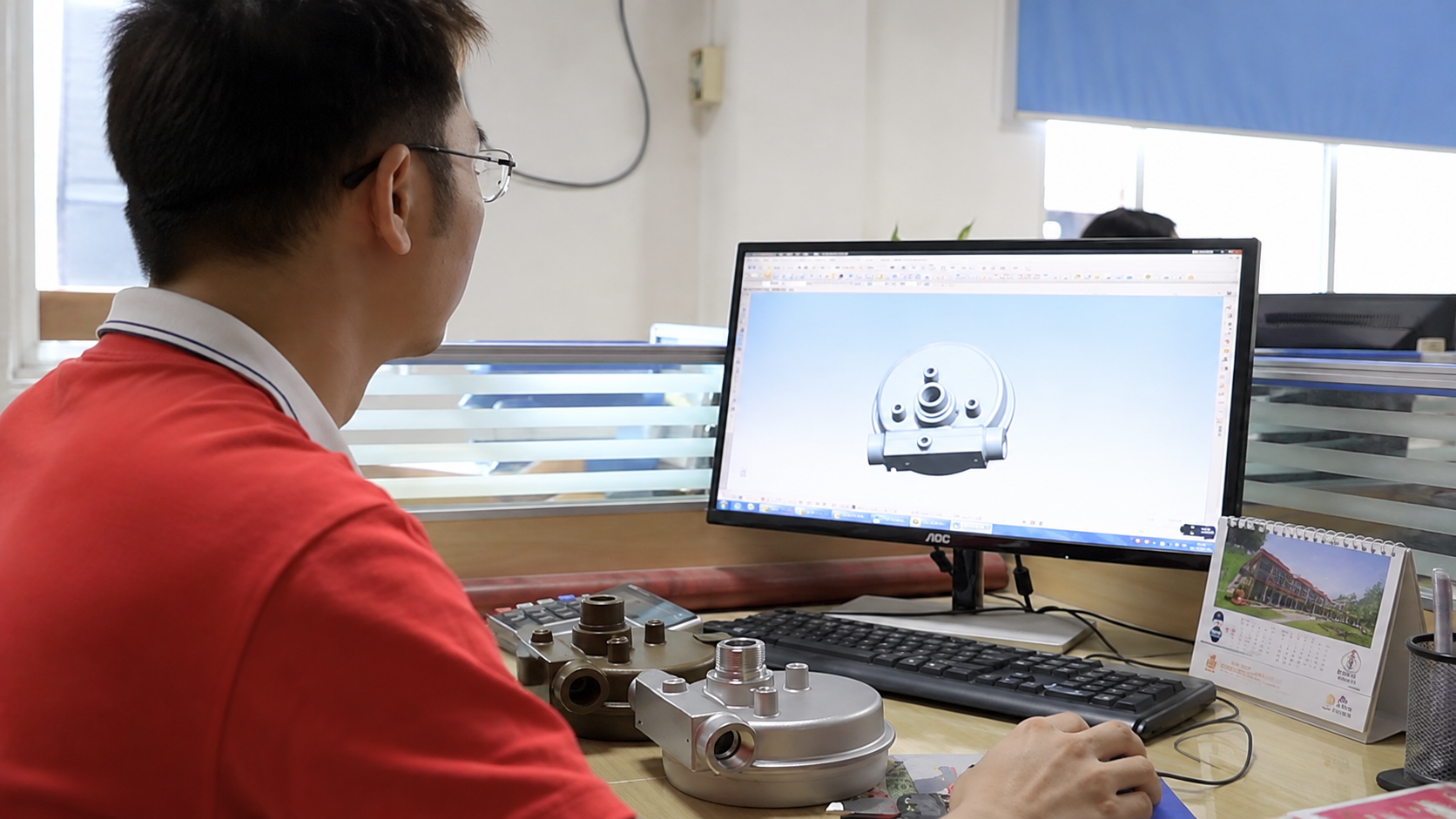
Tooling Design and Mold Making
It starts with designing and making the tooling used to form the wax patterns. The mold is made according to the part geometry and required dimensions.
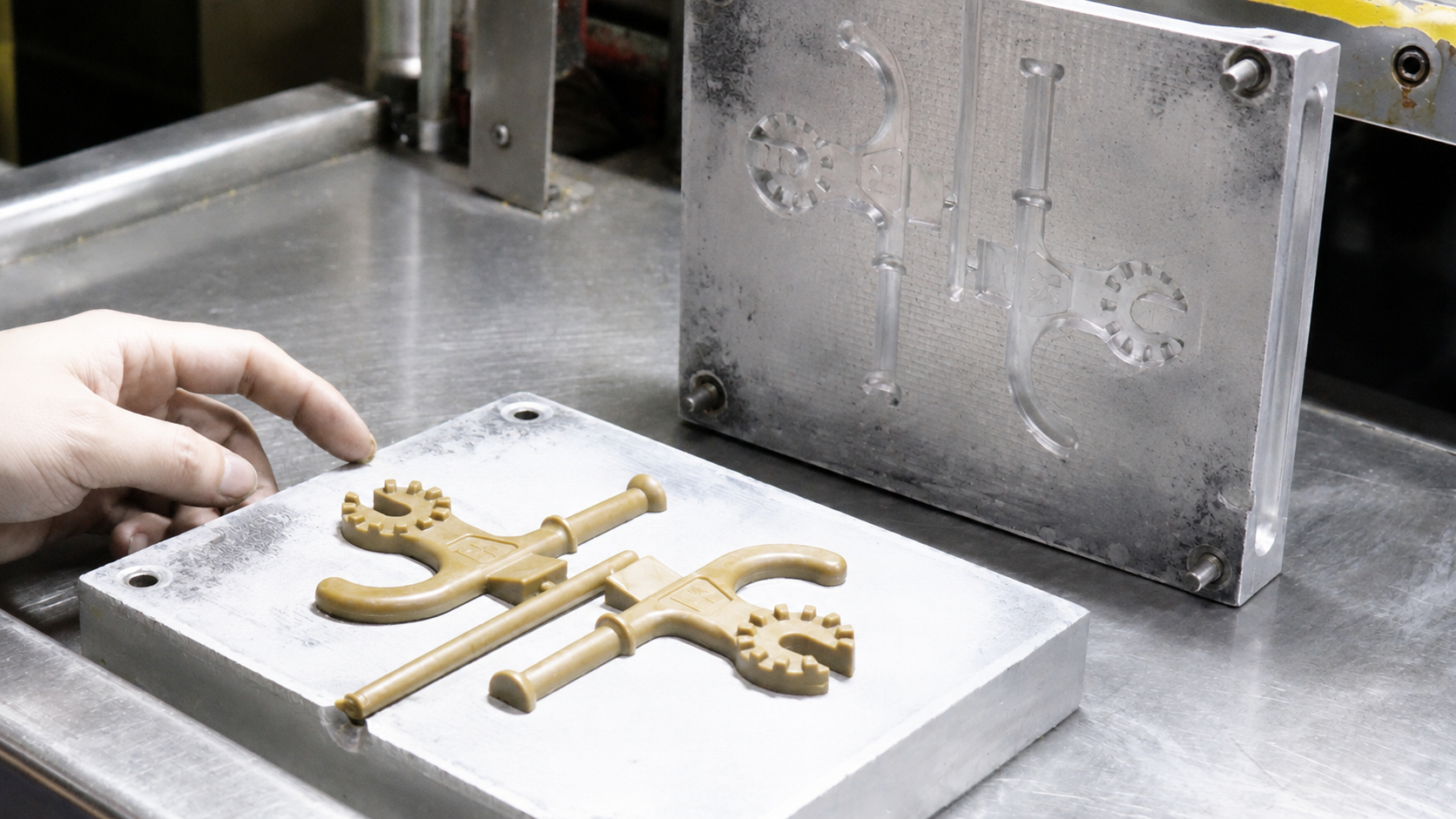
Wax Pattern Injection
Molten wax is injected into the mold to create a wax pattern that matches the shape of the final casting. Stable wax temperature and pressure help maintain good dimensional consistency.
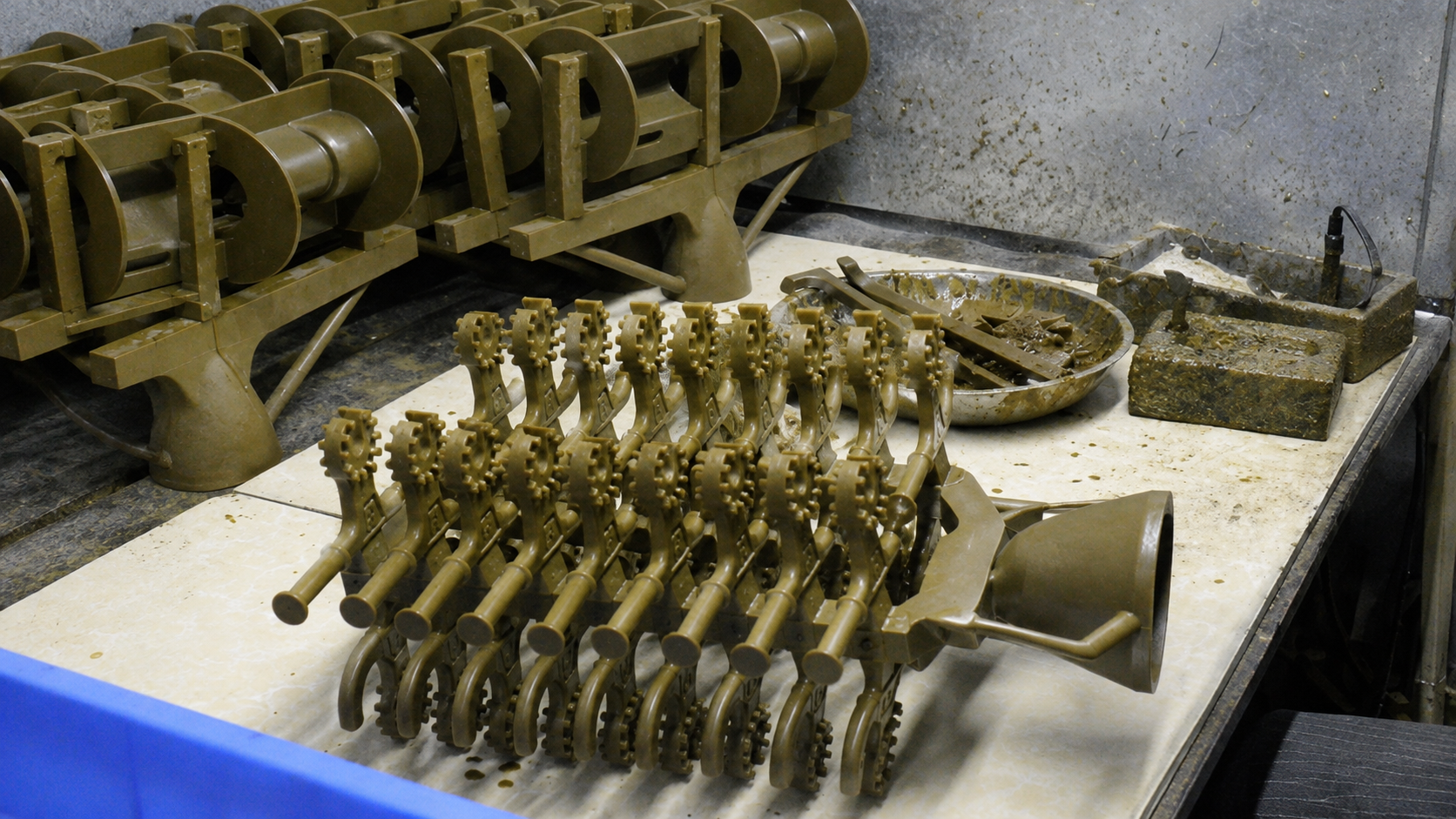
Wax Tree Assembly
Several wax patterns are attached to a central wax sprue through gates and runners to form a wax tree. This allows multiple investment castings to be produced in one casting cycle.
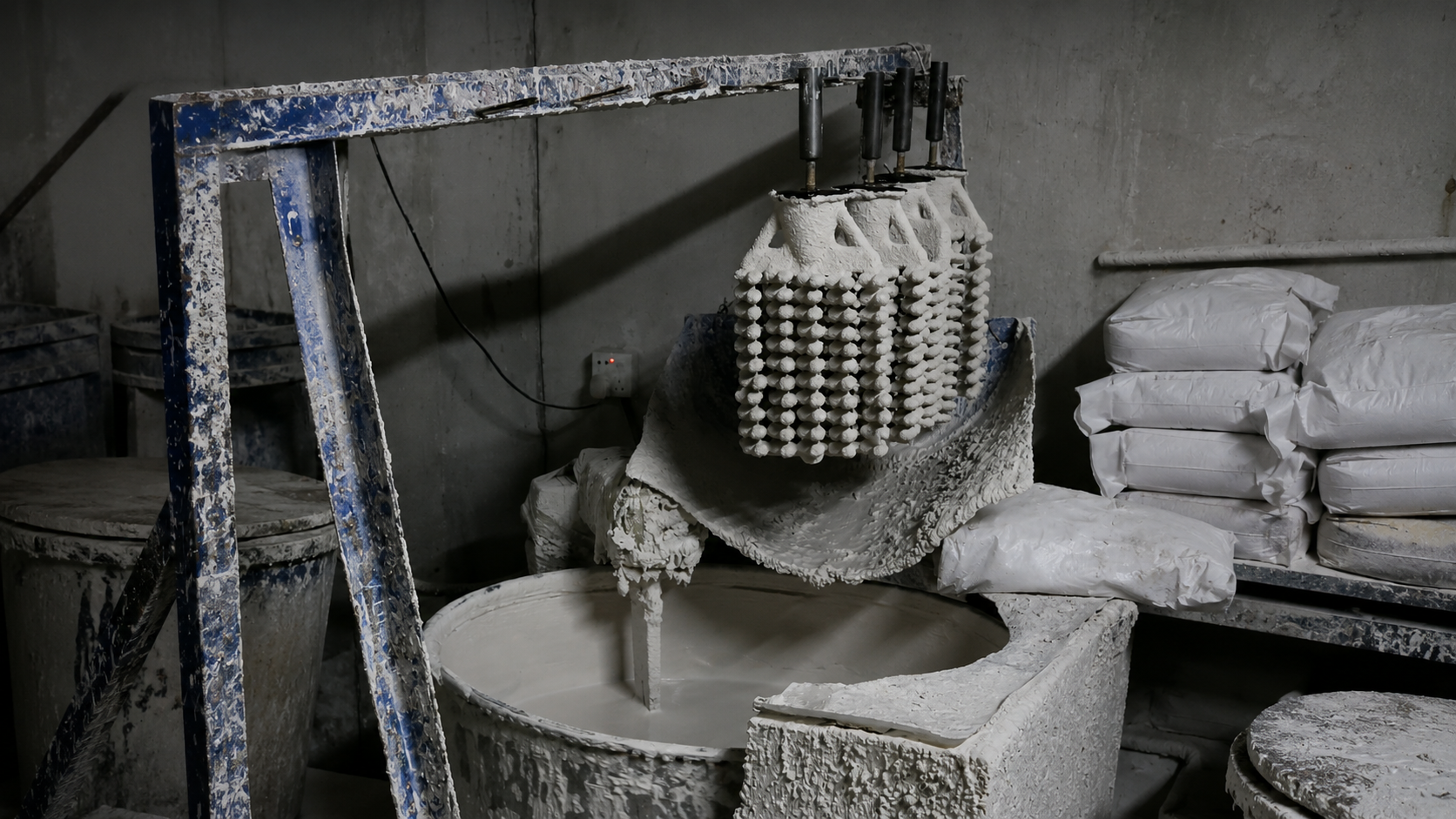
Ceramic Shell Building
The wax tree is repeatedly dipped into ceramic slurry and coated with fine refractory material. Several layers are added until a strong ceramic shell is formed around the wax patterns.
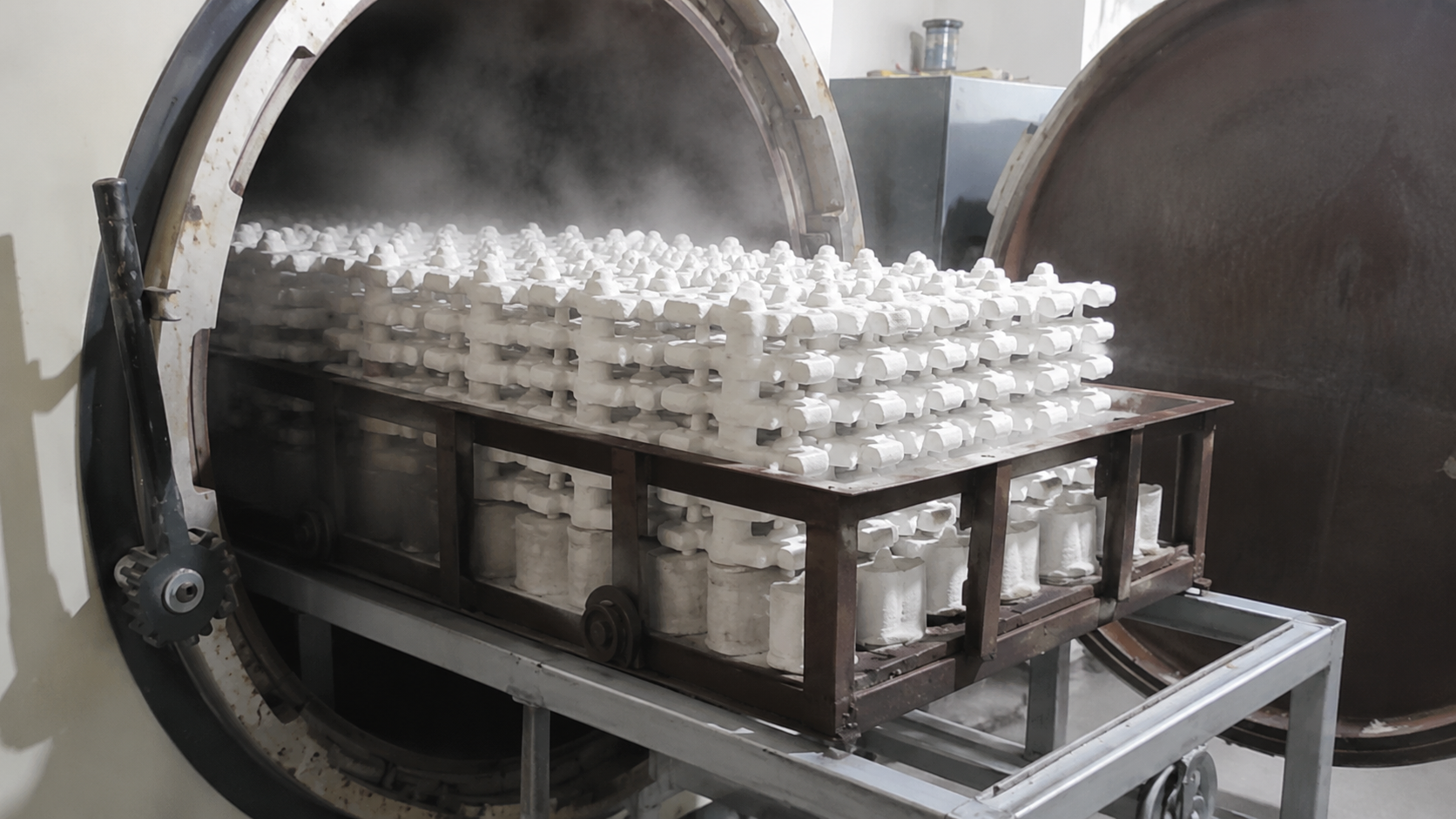
Dewaxing
The wax inside the ceramic shell is removed using heat or steam. This leaves an empty cavity with the same shape as the original wax pattern.
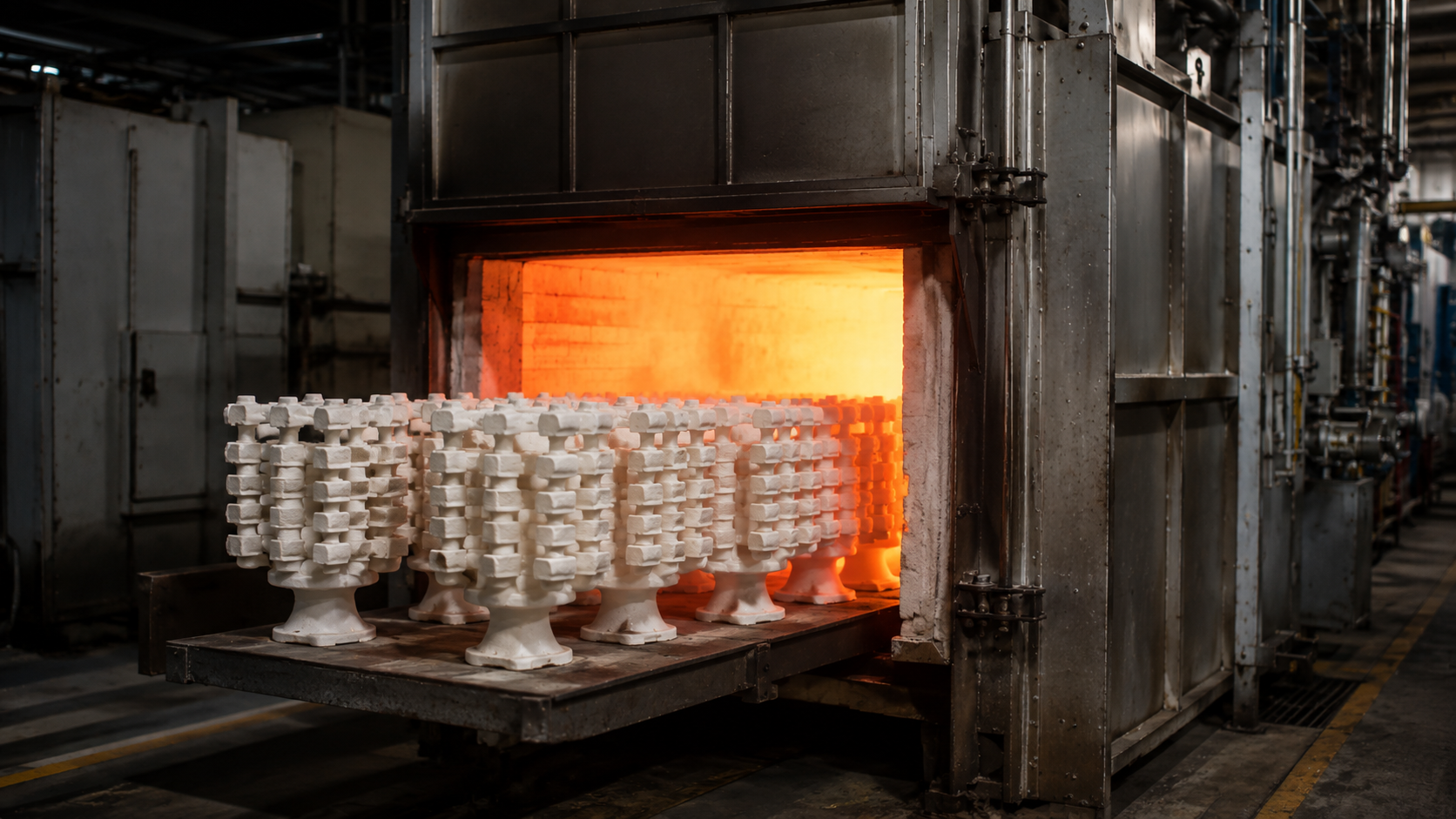
Shell Firing and Preheating
The ceramic shell is fired at high temperature to remove any remaining wax and improve shell strength. It is then preheated before pouring to help the molten metal flow smoothly into the cavity.
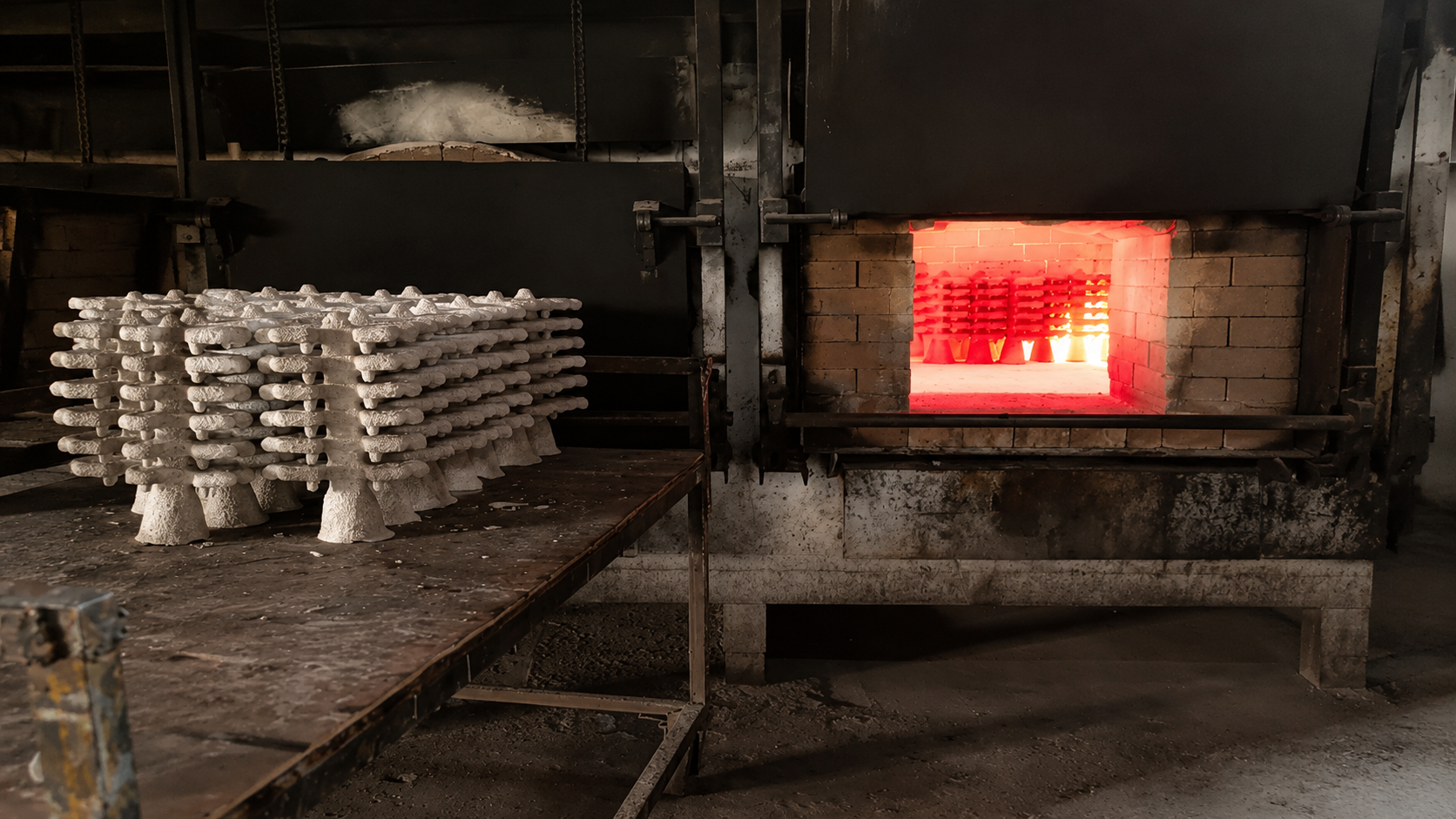
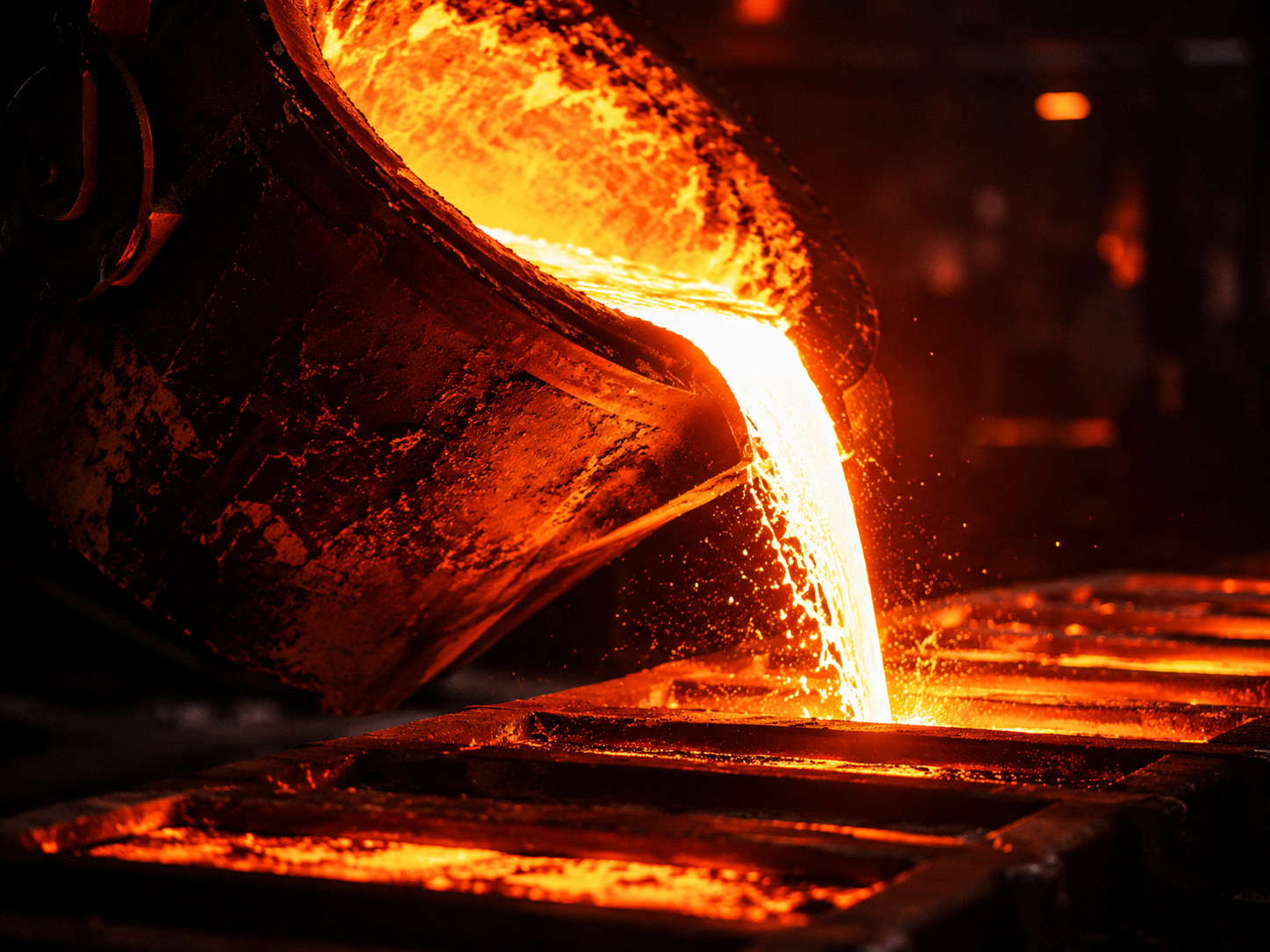
Metal Pouring
Molten metal is poured into the preheated ceramic shell and fills the cavity. Different investment casting alloys can be selected depending on the required strength, corrosion resistance, and application.
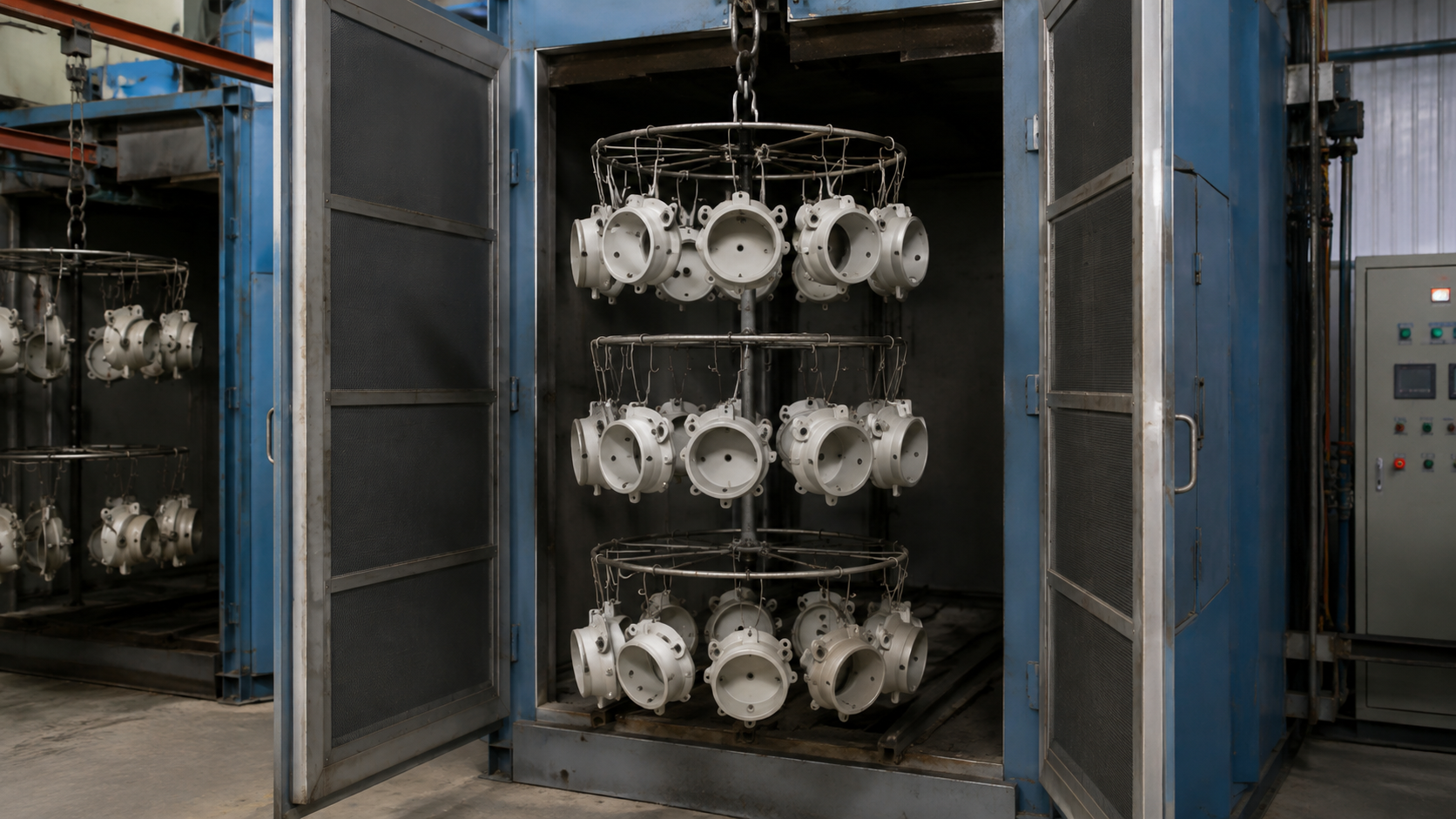
Shell Removal
After the metal has cooled and solidified, the ceramic shell is broken away from the casting. The individual cast parts are then separated from the runner system.
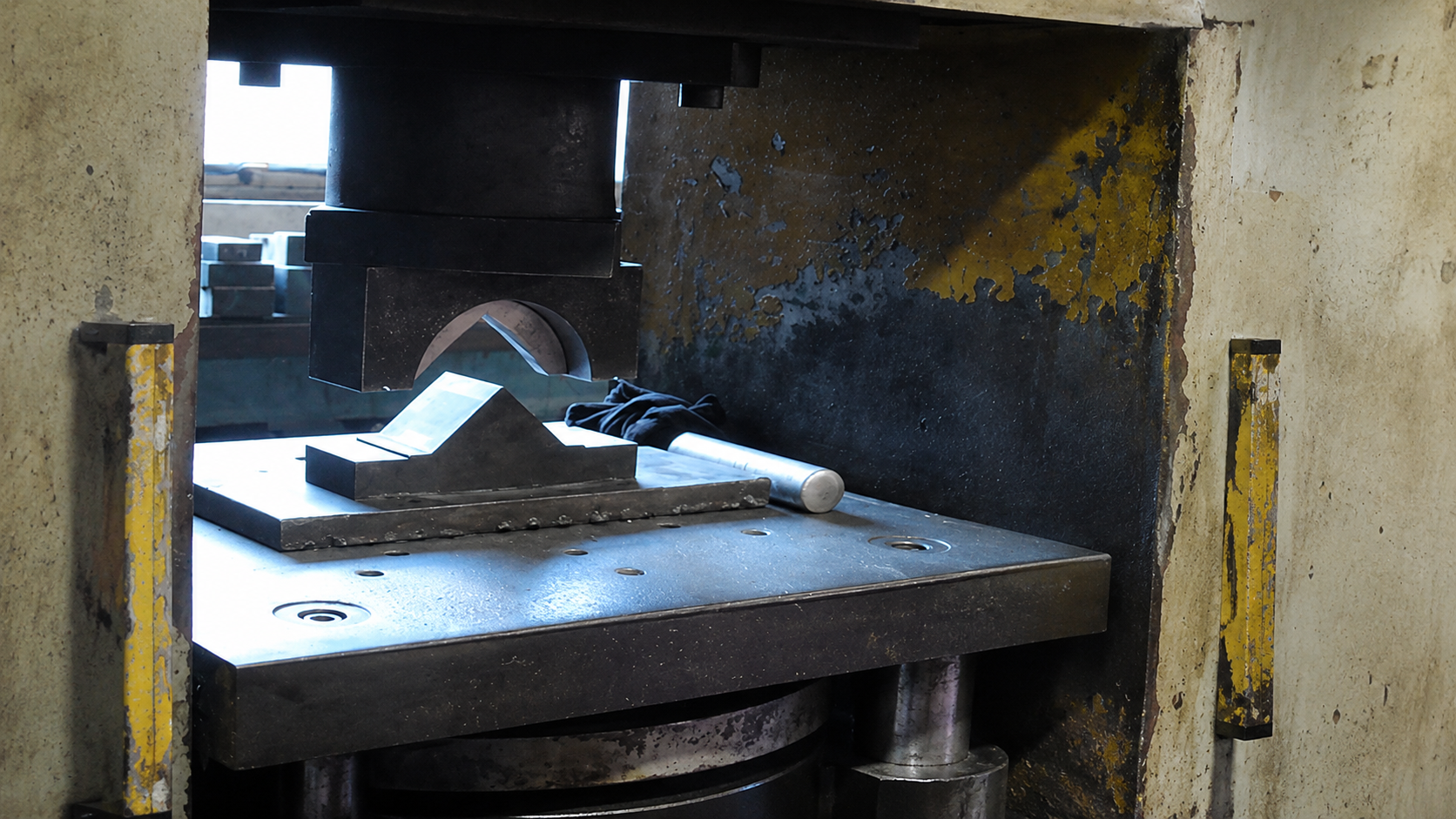
Post-Processing & Inspection
The cast parts may undergo polishing, CNC machining, surface finishing, and other secondary operations. Final inspection helps ensure the precision investment castings meet the drawing, tolerance, and quality requirements.
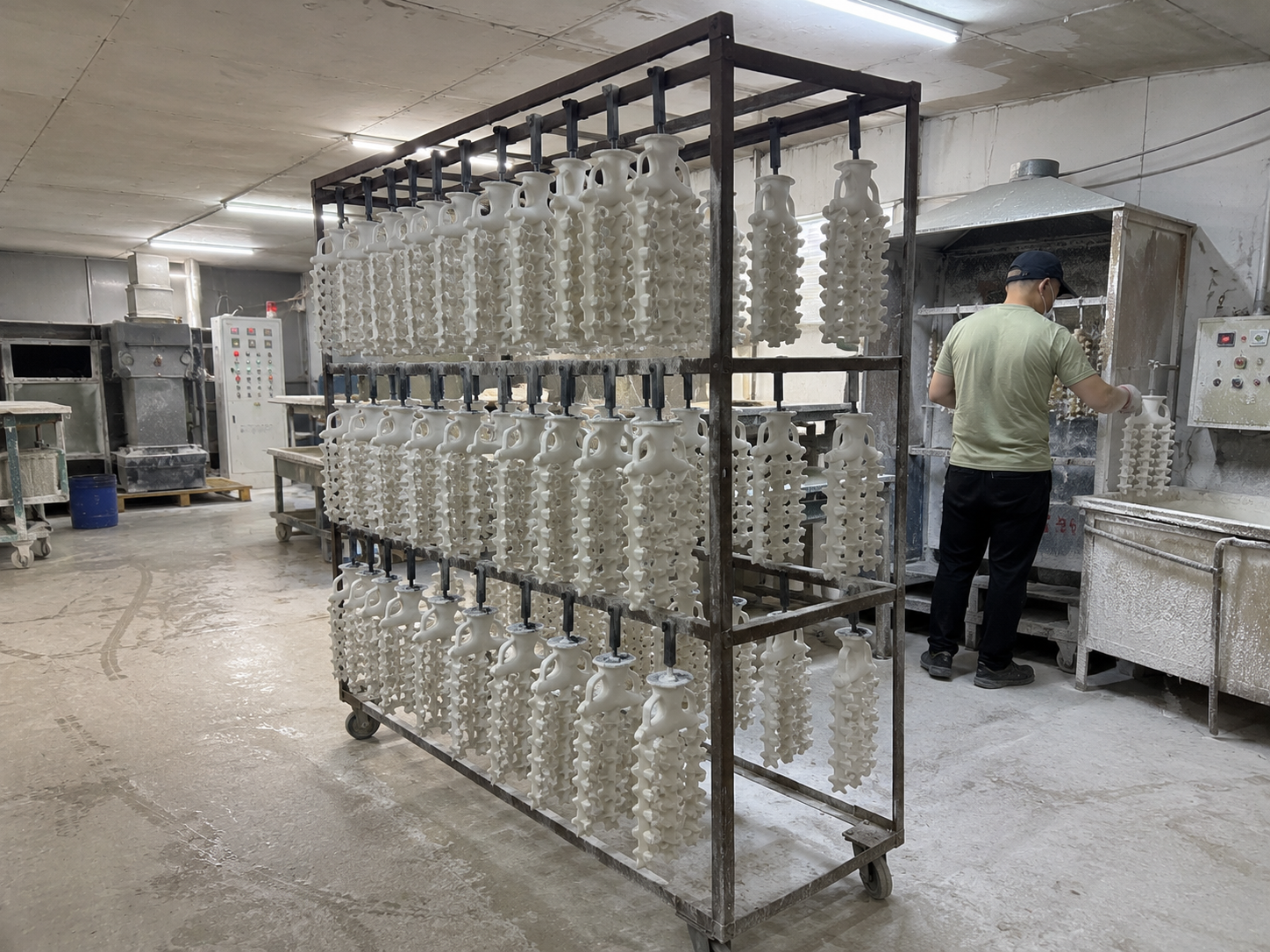
Benefits of Investment Casting
- Complex Geometries: Produce complex shapes, internal features, curves, and fine details that may be difficult or expensive to machine from solid material.
- Good Dimensional Accuracy: Maintain consistent dimensions and reduce the need for extensive secondary machining.
- Smooth Surface Finish: Achieve smoother surfaces and finer details than many conventional casting methods.
- Near-Net-Shape Manufacturing: Reduce machining time, material waste, and overall production cost with near-net-shape investment castings.
- Wide Material Selection: Support stainless steel, carbon steel, alloy steel, and other investment casting alloys for different applications.
- Reduced Secondary Processing: Minimize additional welding, machining, finishing, and assembly operations.
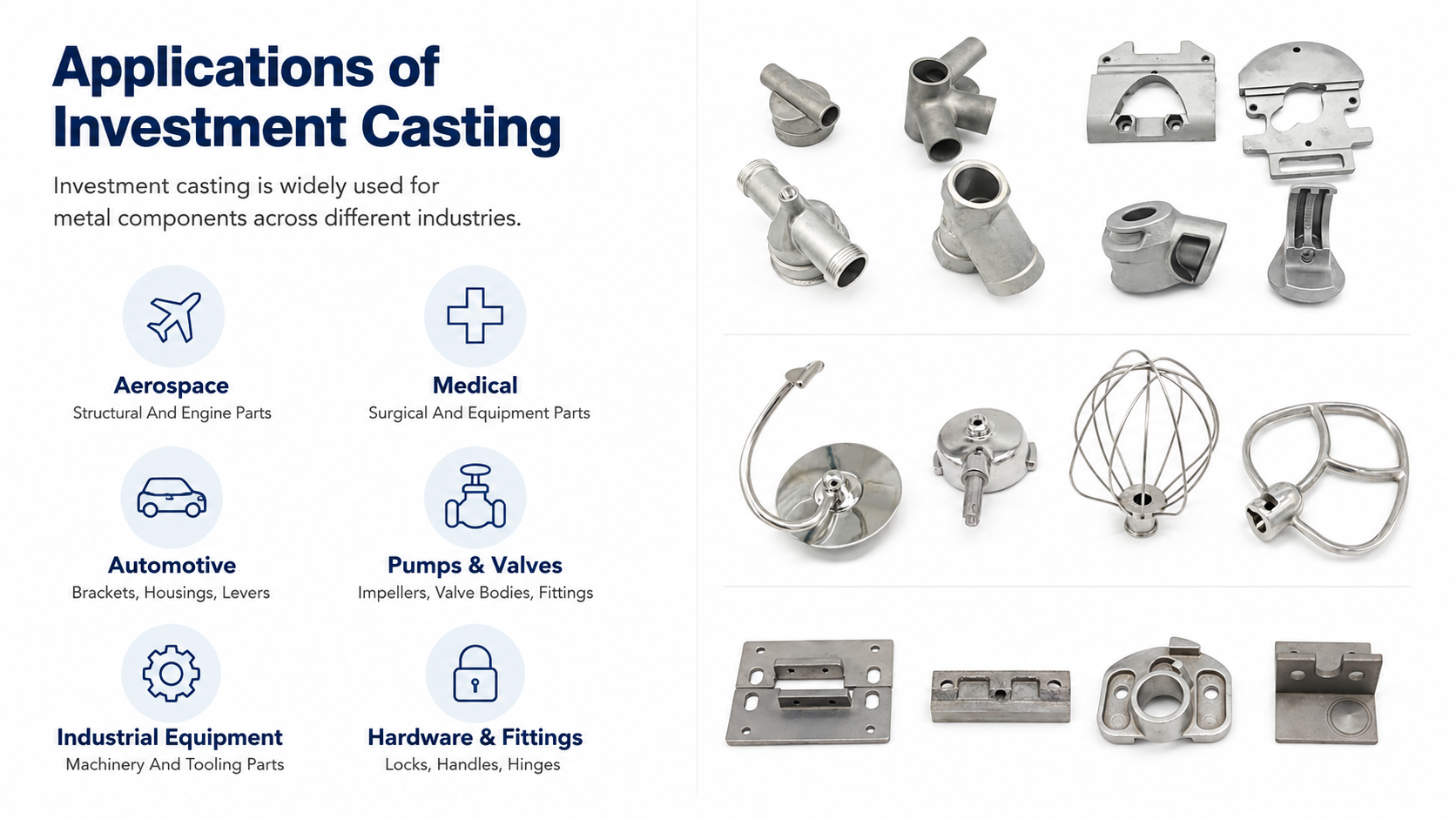
Applications of Investment Casting
Investment casting is widely used for metal components across different industries.
- Aerospace: Produce complex castings for structural, control, and engine-related applications.
- Medical: Manufacture precise components for surgical instruments and medical equipment components.
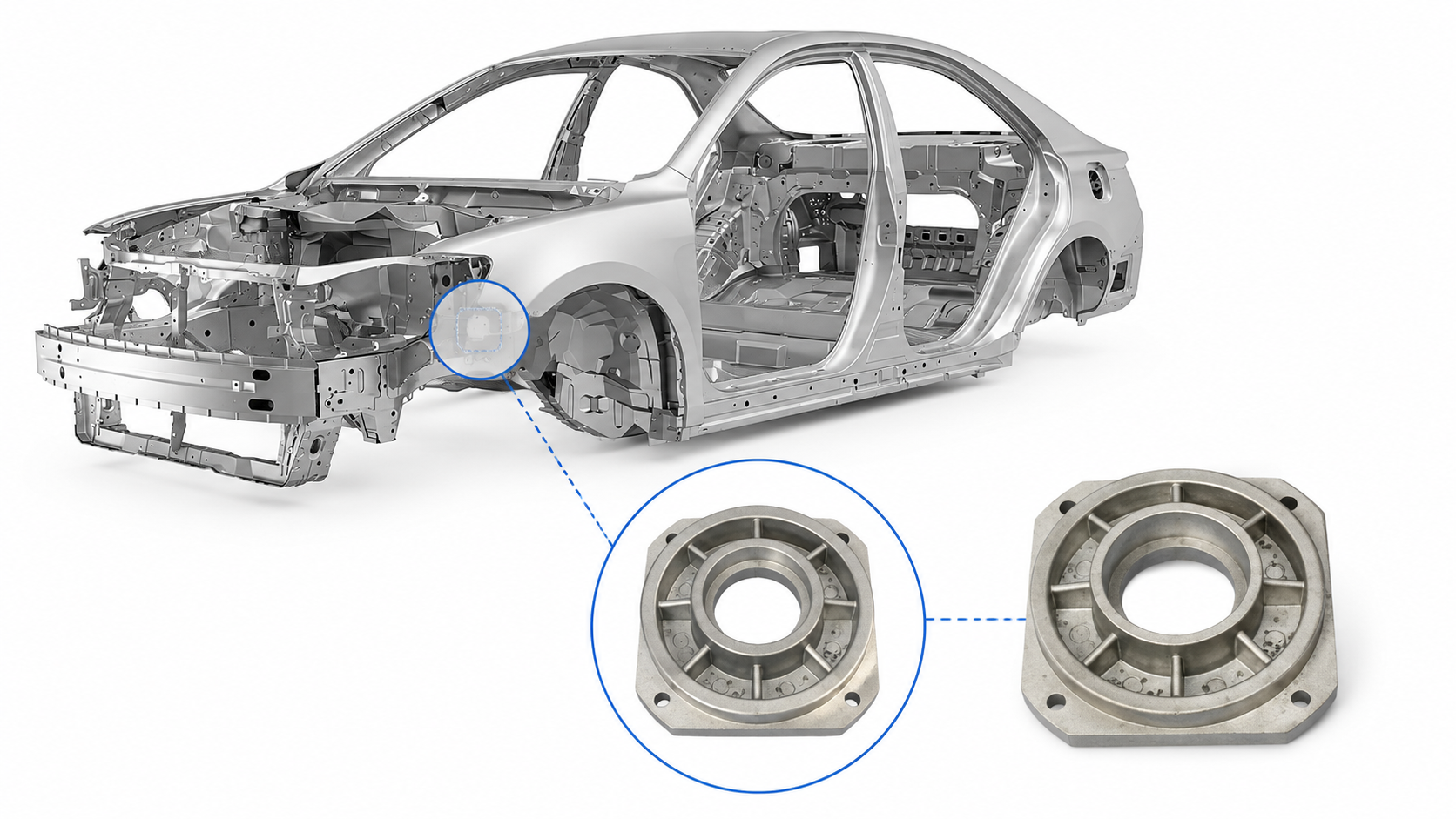
- Automotive: Create brackets, housings, levers, and other durable investment casting parts.
- Pumps & Valves: Produce impellers, valve bodies, fittings, and flow-control components with complex shapes.
- Industrial Equipment: Manufacture components for machinery, automation systems, tooling, and other industrial applications.
- Hardware & Fittings: Manufacture locks, handles, hinges, brackets, fittings, and other precision metal hardware.
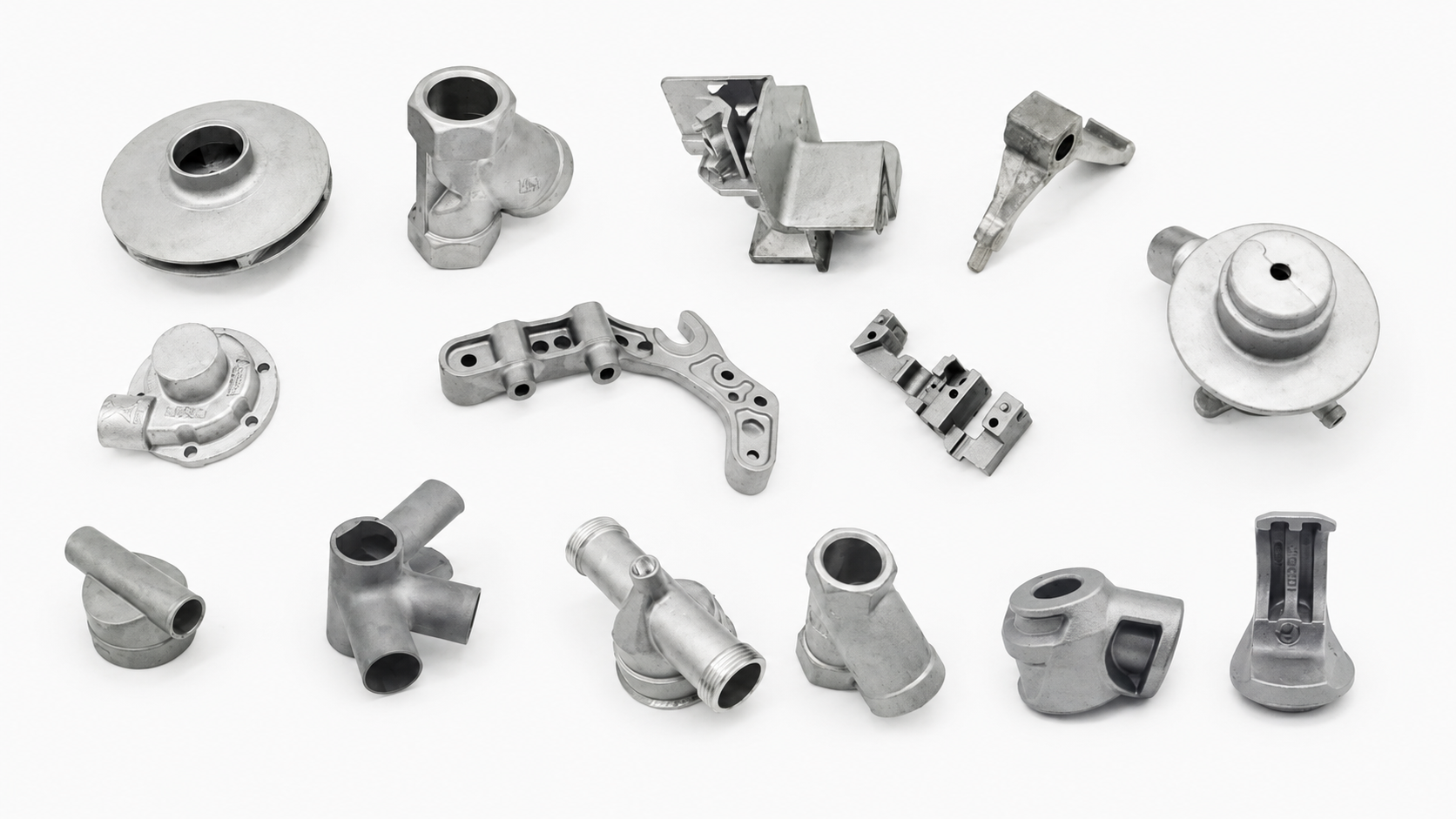
Custom Investment Casting
As an experienced investment casting manufacturer, XY-GLOBAL provides custom investment casting for metal parts based on your drawings, 3D models, material requirements, tolerances, and production volumes. Turn your complex designs into reliable finished components as soon as possible.
Flexible Materials
Stainless steel, carbon steel, alloy steel, aluminum, copper alloy, and other investment casting alloys
Secondary Machining
CNC machining for critical dimensions and functional features
Flexible Volumes
Support from prototype development to volume production
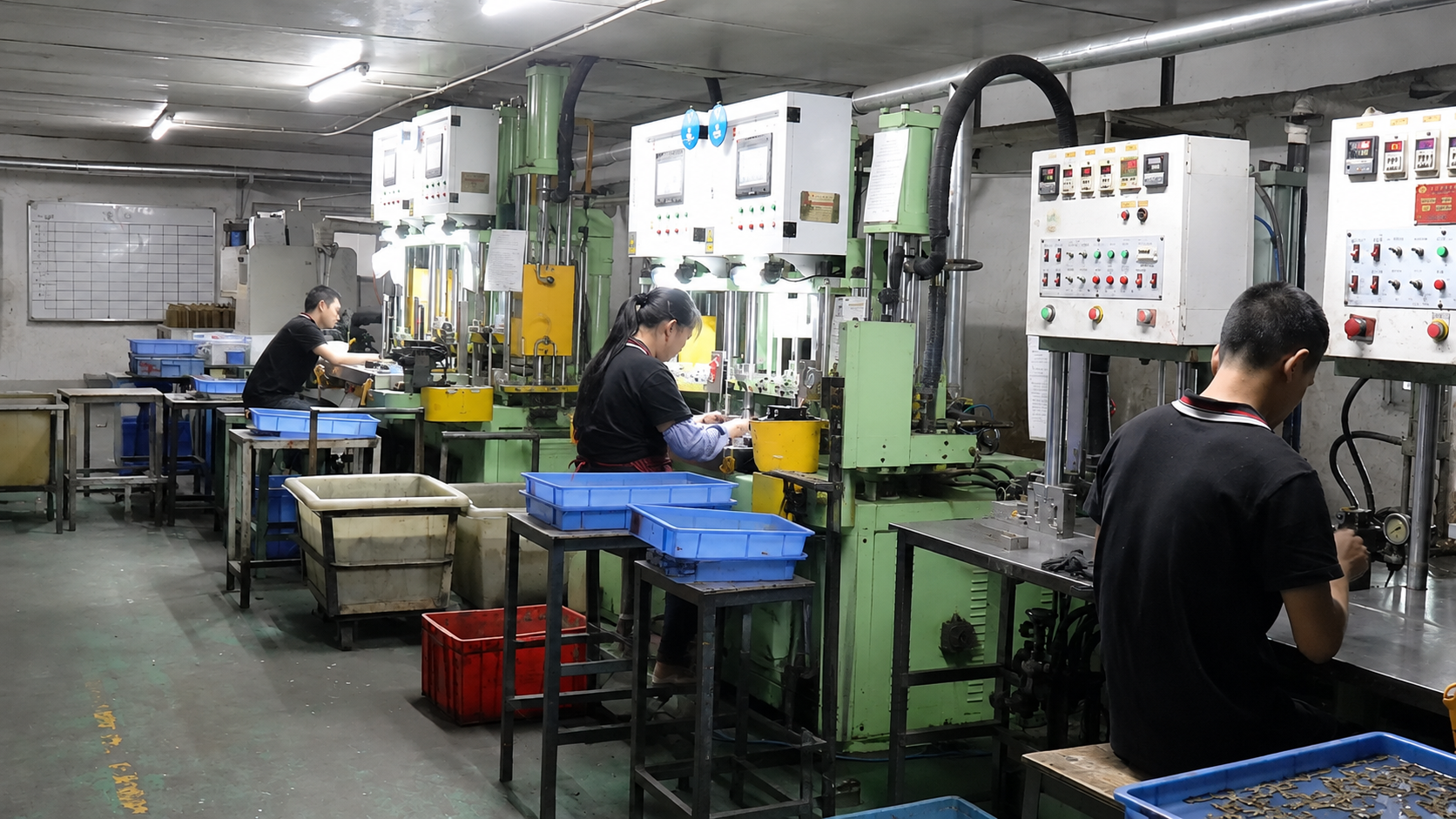
Why Choose XY-Global for Investment Casting Services
As an experienced investment casting manufacturer,we combine engineering, machining, and quality control to reduce sourcing risk and support efficient production.
- One-Stop Investment Casting Production: Cover wax injection, shell making, melting, pouring, heat treatment, post-processing, finishing, and inspection within one coordinated manufacturing process.
- ISO 9001 Quality Control & Inspection: Follow controlled production and inspection procedures, supported by CMM, spectrometers, and other inspection equipment to ensure material accuracy, critical dimensions, and consistent quality.
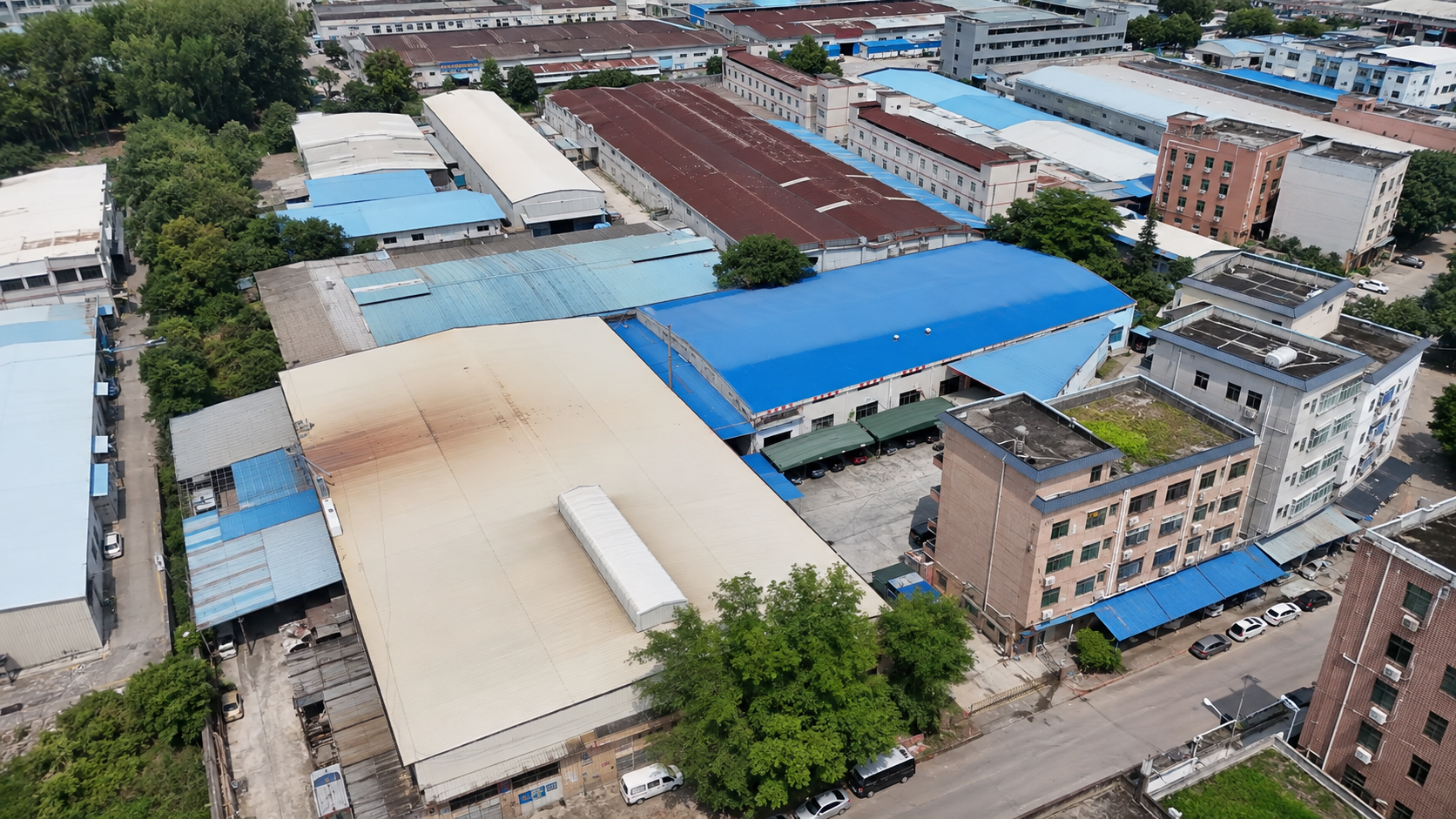
- Engineering & DFM Support: Review drawings, tolerances, wall thickness, machining allowance, and part geometry before tooling to improve manufacturability and reduce unnecessary production costs.
- Fast Lead Times from Prototype to Production: Respond quickly to samples, design changes, and production schedules while supporting projects from prototype development to repeat volume production.
- Wide Material Capability: Support stainless steel, carbon steel, alloy steel, and other investment casting alloys for different strength, wear, corrosion, and application requirements.
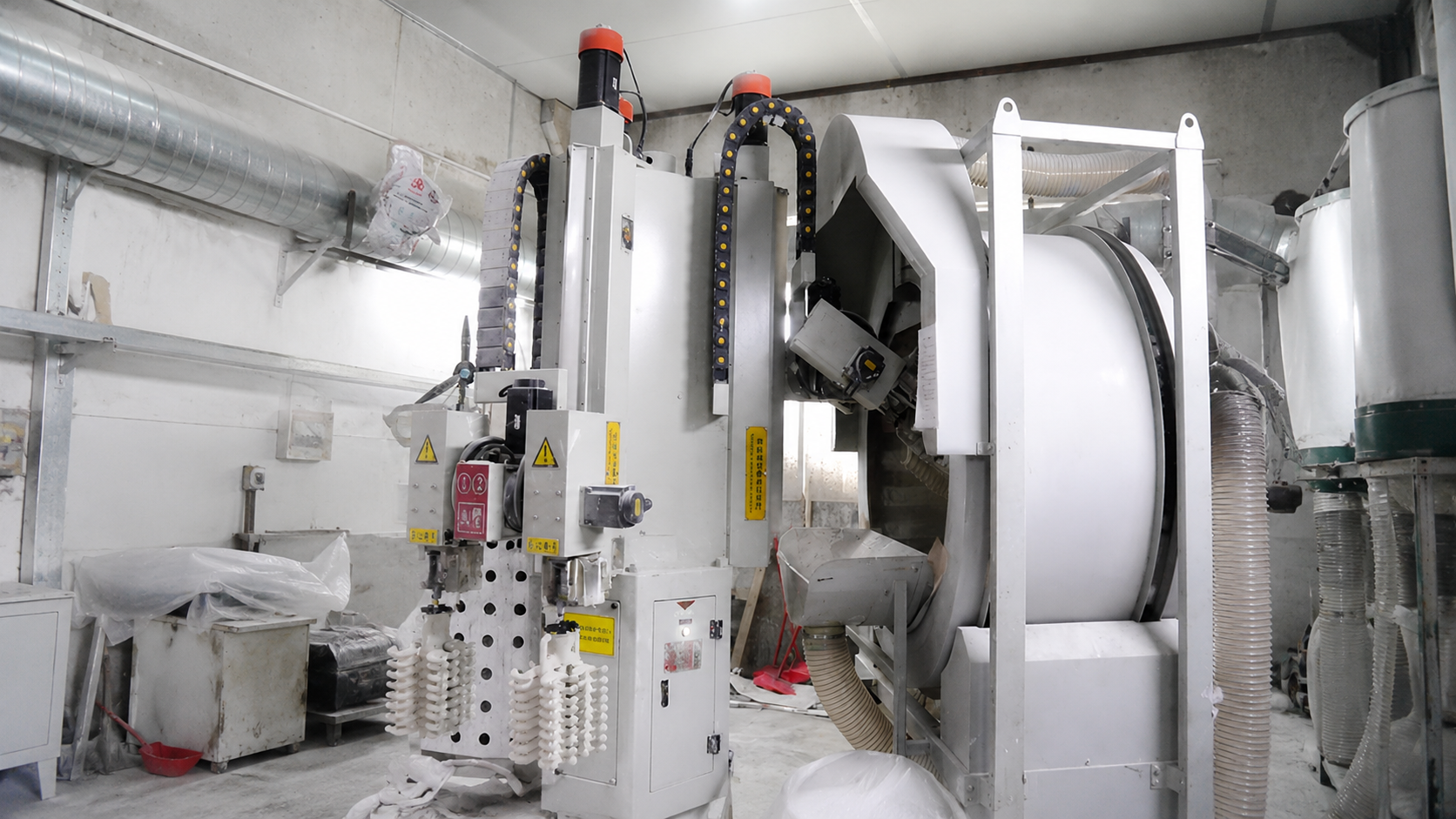
Vacuum Ceramic Slurry Dipping Machine
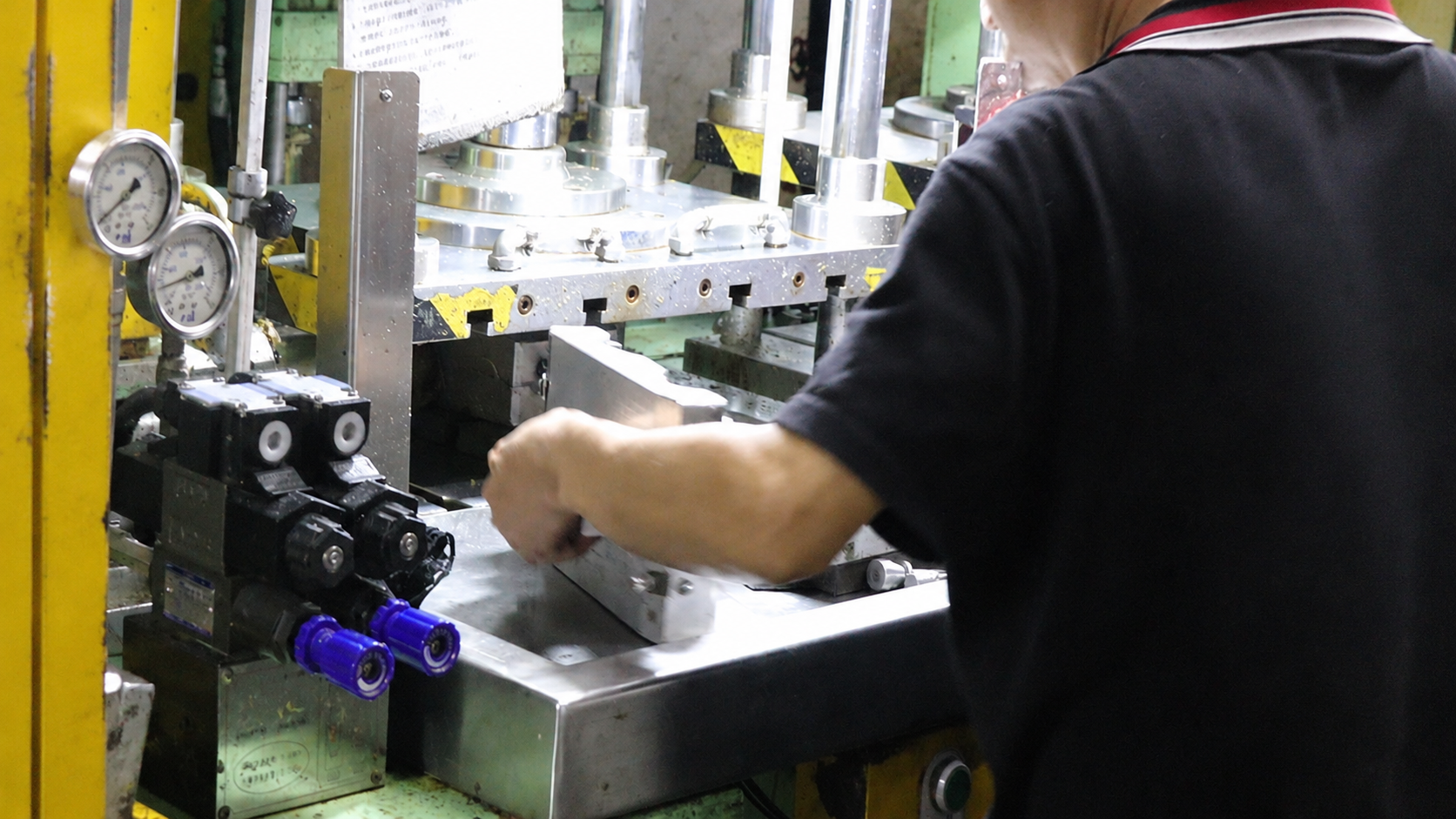
Automatic Wax Injection Machine
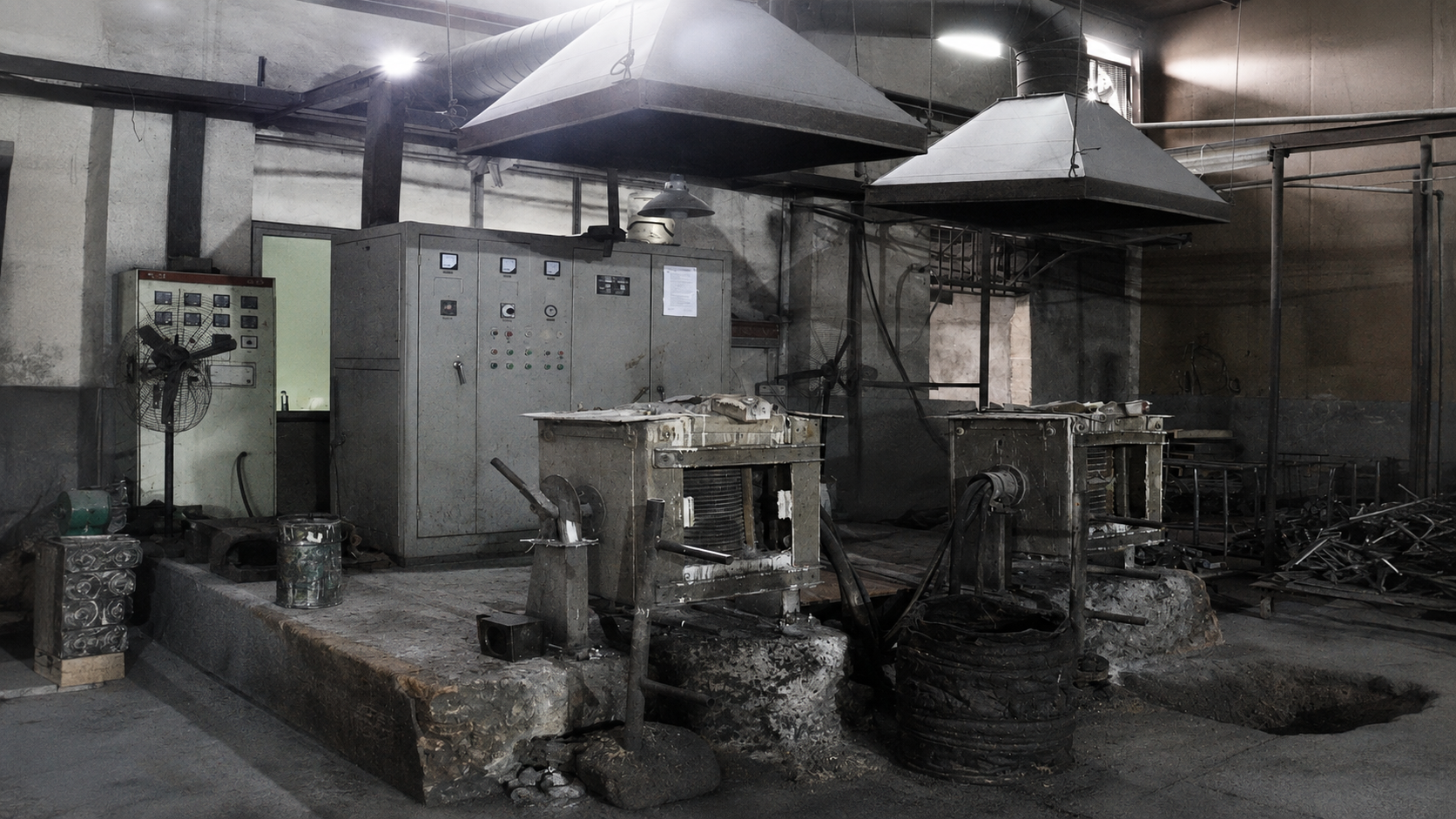
Medium-Frequency Induction Melting Furnace
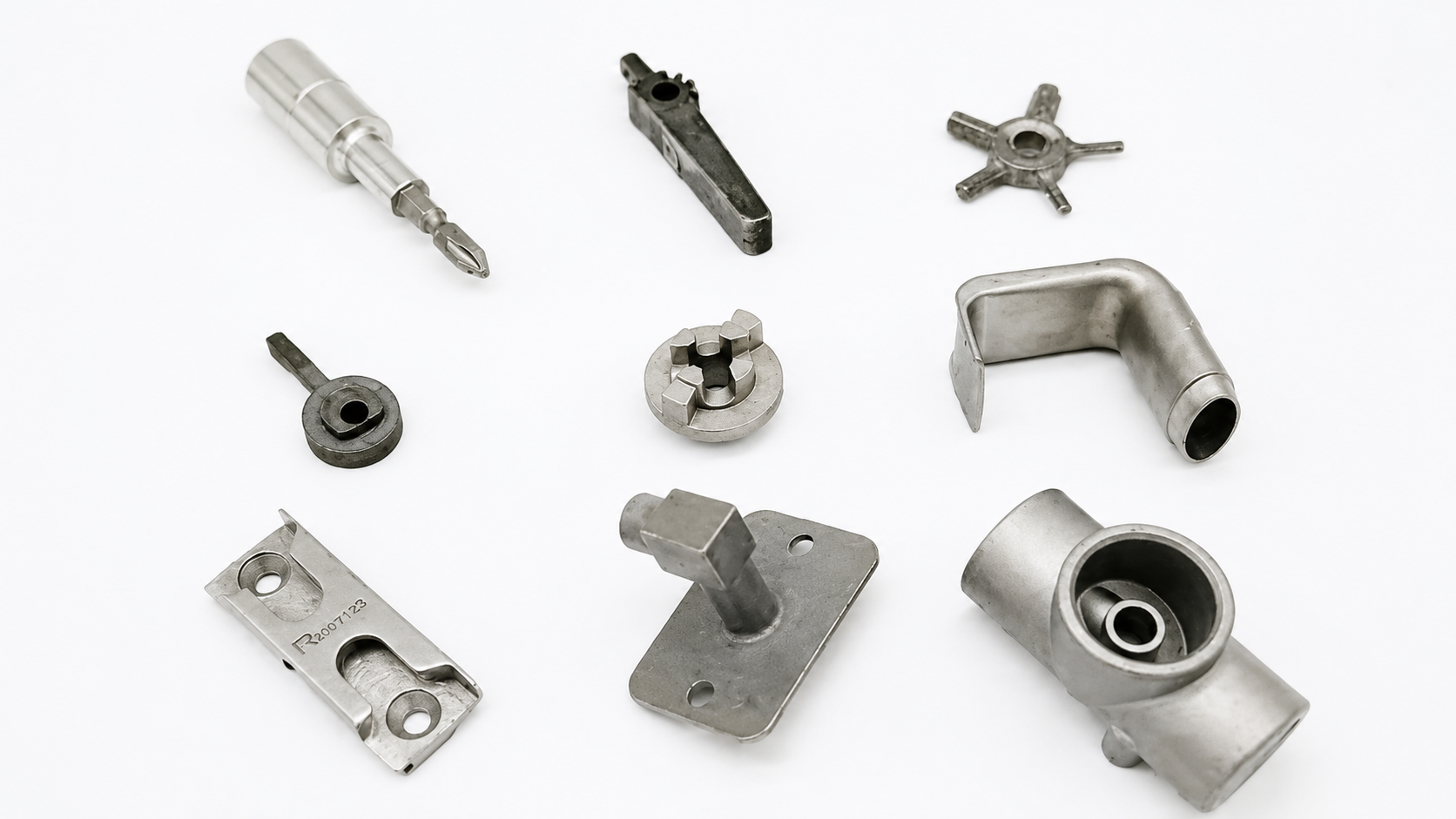
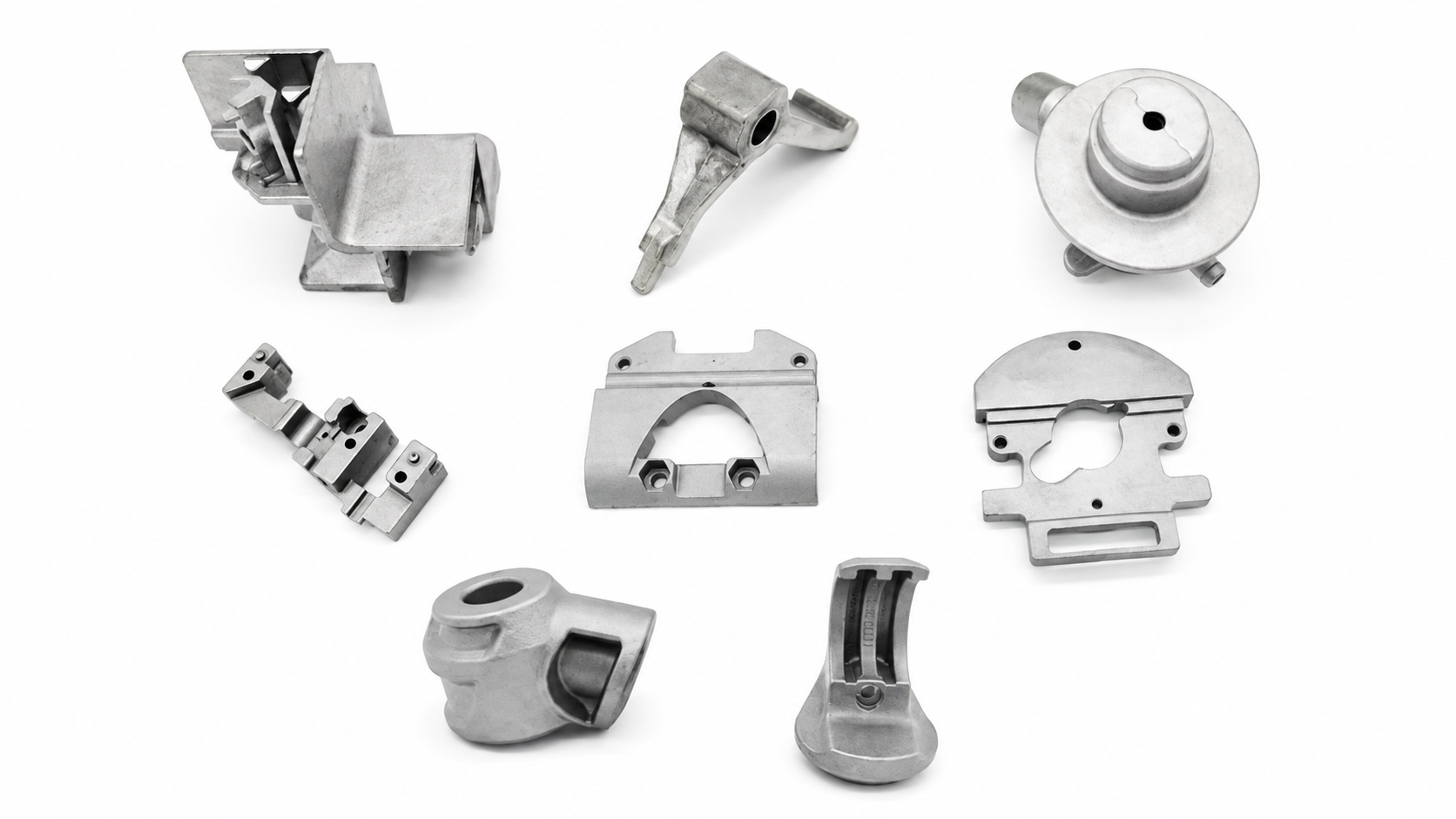
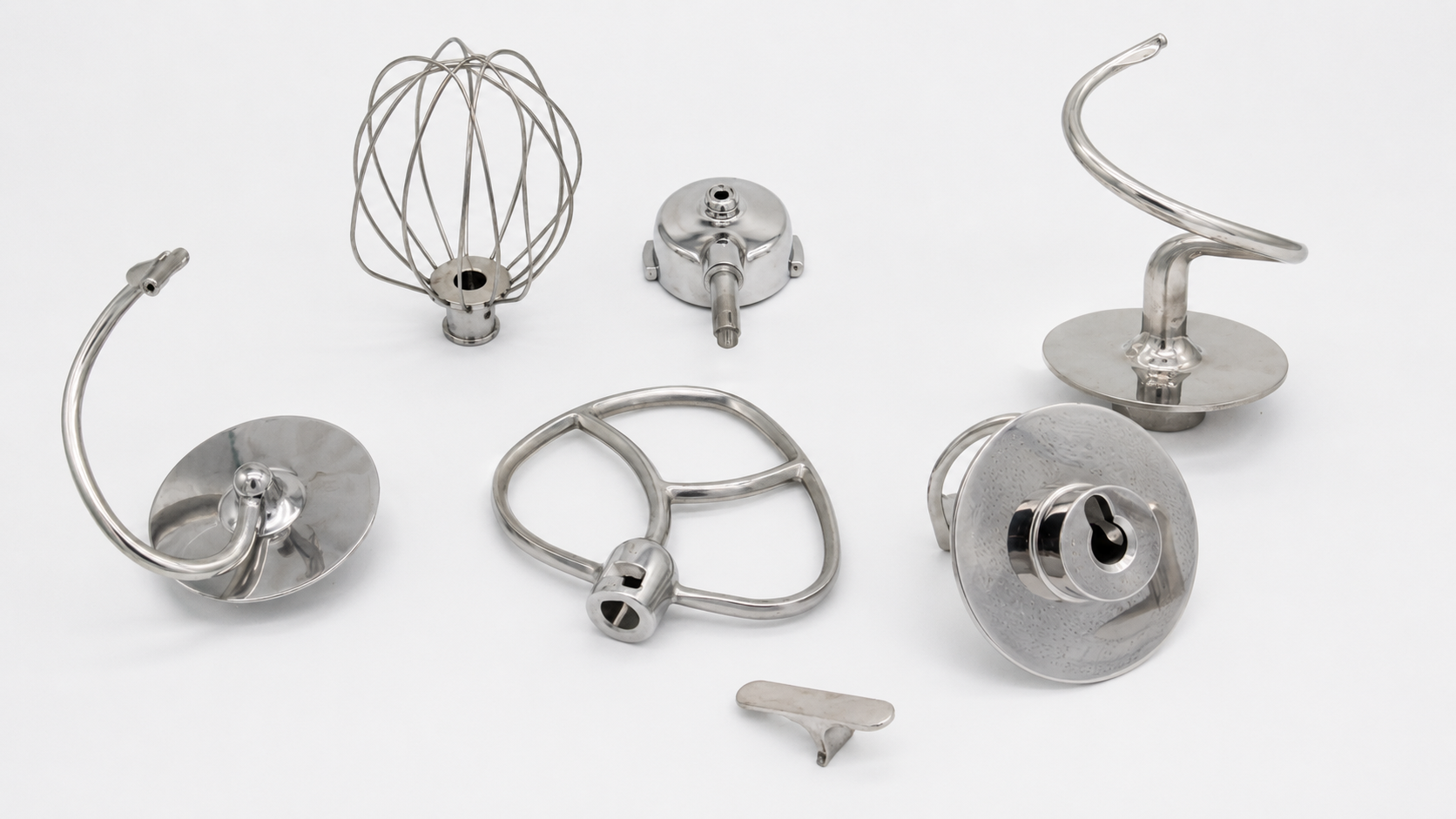
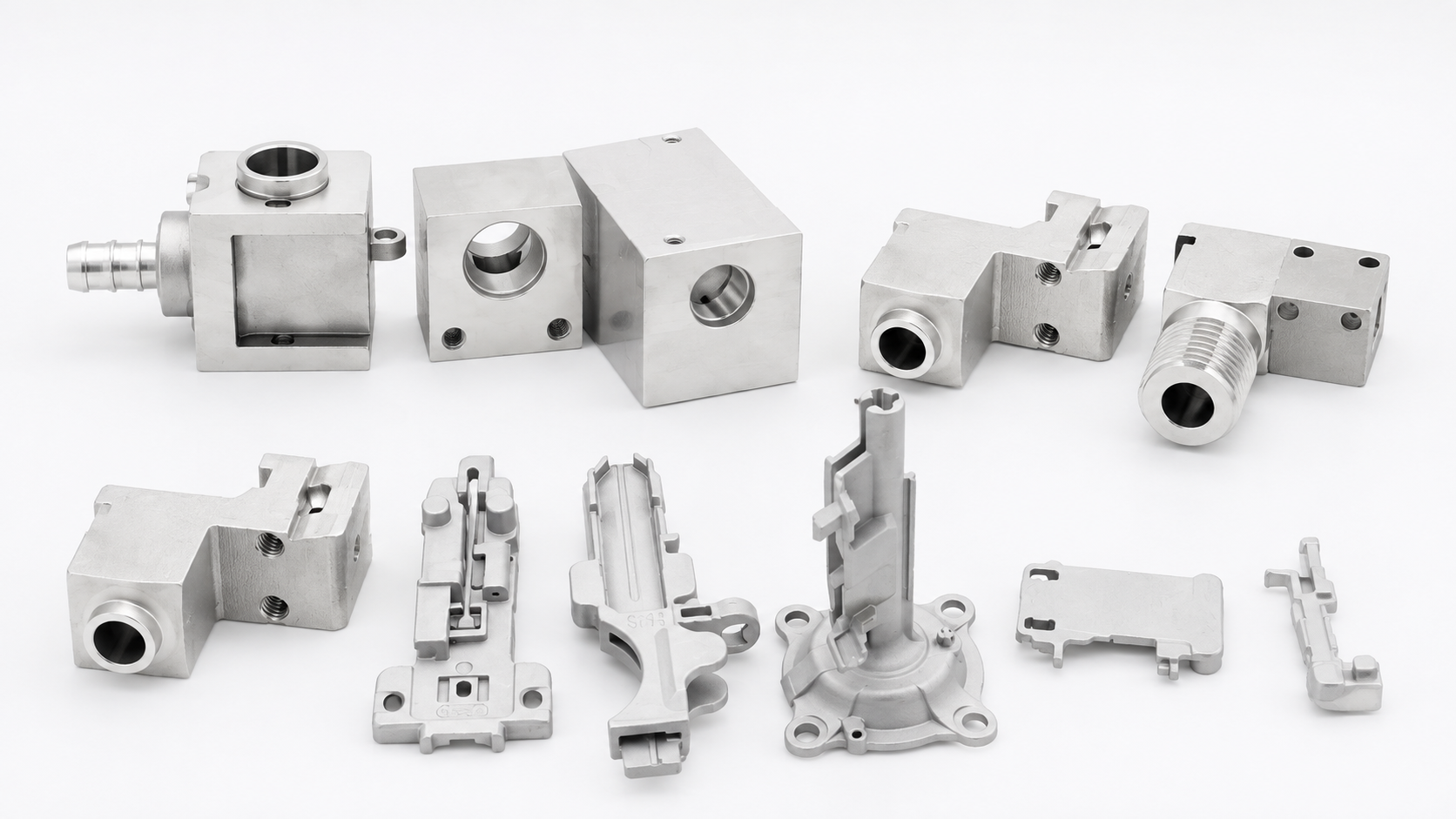
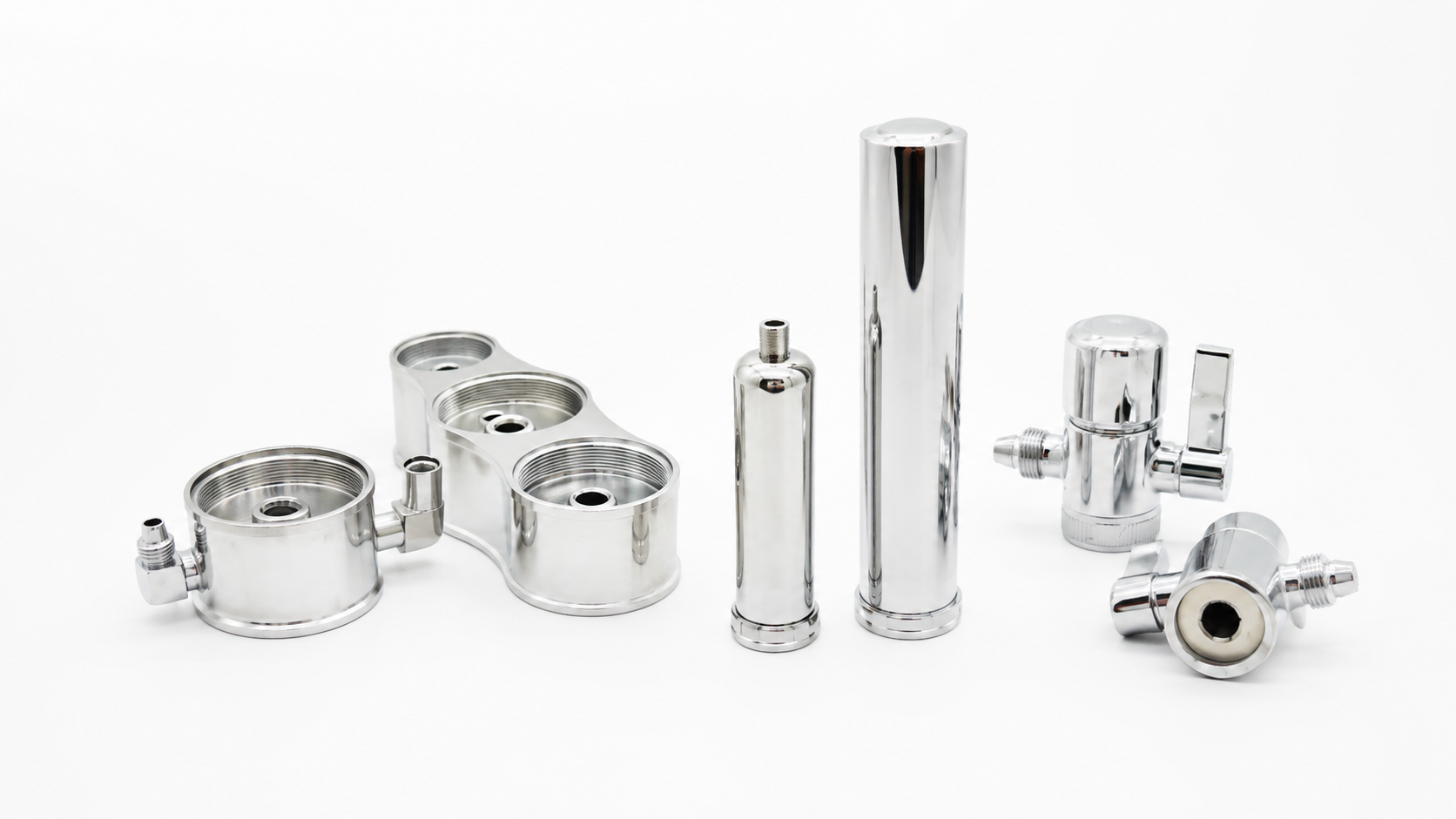
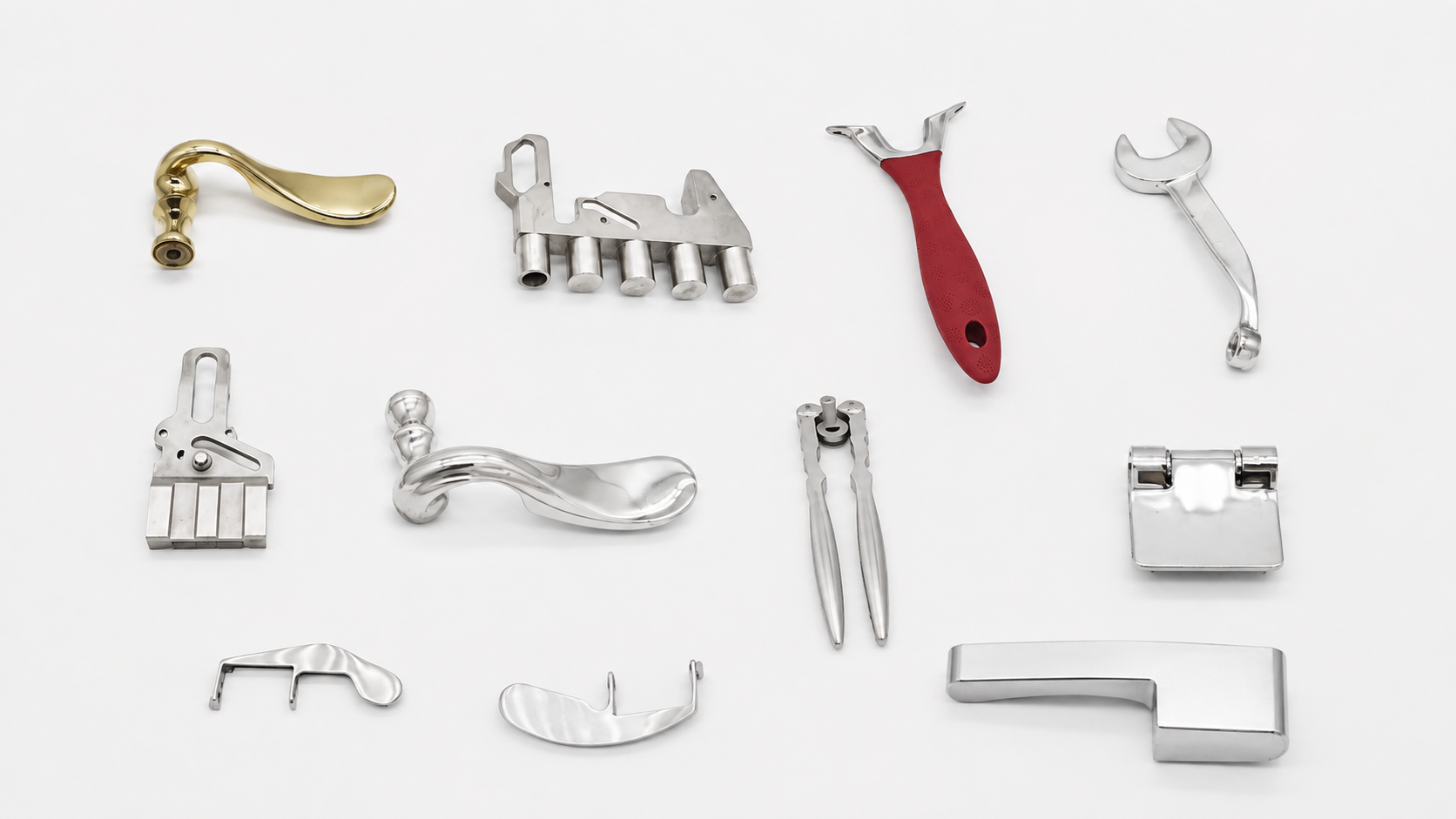
Custom Precision Investment Casting Parts
Discover a variety of custom investment castings, from precision hardware and mechanical components to complex parts used in industrial and high-performance applications.
Investment Casting FAQs
1. What materials can be used for investment casting?
Common investment casting materials include stainless steel, carbon steel, alloy steel, aluminum, and other investment casting alloys. Material selection depends on the required strength, corrosion resistance, wear resistance, temperature, and application.
2. What is the difference between investment casting vs sand casting?
Investment casting vs die casting depends largely on material, geometry, tooling cost, and production volume. Investment casting supports a wider range of steel alloys and complex parts, while die casting is commonly used for high-volume aluminum and zinc components.
3. What is the difference between investment casting vs die casting?
Common coolants include deionized water, water-glycol mixtures, dielectric fluids, and special cooling oils. The right coolant depends on temperature, corrosion resistance, electrical insulation, and system requirements.
4. What tolerances can investment casting achieve?
Investment casting can achieve good dimensional accuracy for complex parts, but achievable tolerances depend on part size, geometry, material, and feature location. Critical dimensions can be finished by CNC machining when tighter tolerances are required.
5. What surface finish can investment casting achieve?
Investment casting generally provides a smoother surface than sand casting. Additional grinding, polishing, machining, blasting, plating, or other finishing processes can be applied depending on the final part requirements.
6. Is investment casting suitable for low-volume production?
Yes. Investment casting can support prototypes, low-volume production, and repeat production orders. The most suitable production method depends on tooling cost, part complexity, material, and expected annual quantity.
7. Can investment cast parts be cnc machined after casting?
Yes. CNC machining is commonly used on investment casting parts for critical holes, sealing surfaces, threads, mounting features, and tight-tolerance dimensions. This combines the design flexibility of casting with the accuracy of machining.
8. What information is needed for an investment casting quote?
Send your 2D or 3D drawings, material, quantity, critical tolerances, surface finish, and any special inspection requirements. Our engineering team can review the project and recommend a suitable custom investment casting solution.